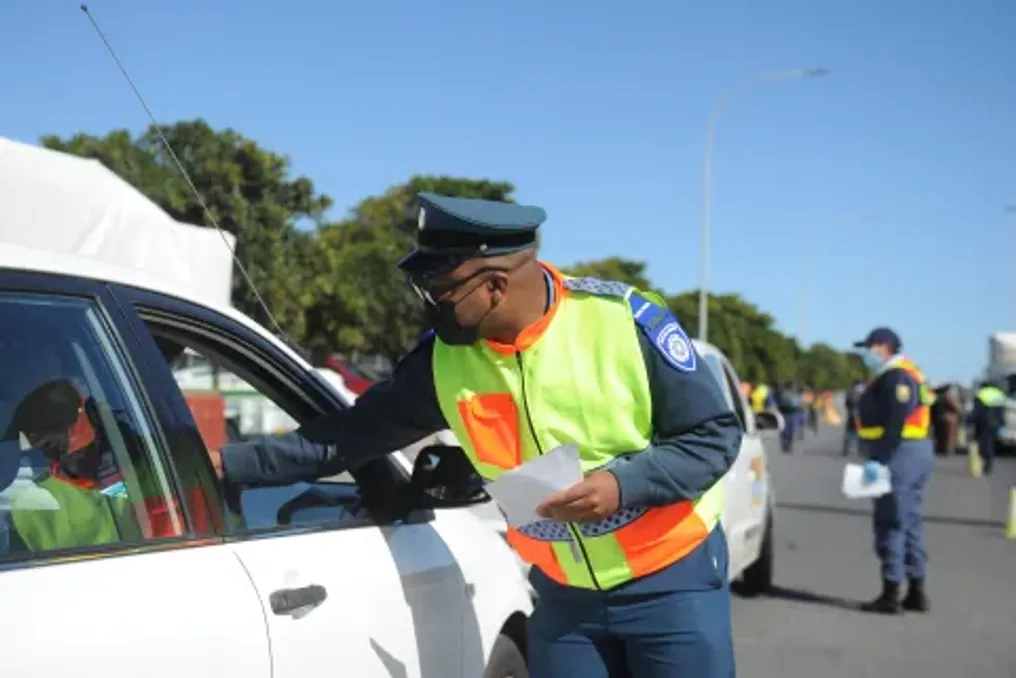
The collection of fines for traffic violations in the city of Cape Town decreased to 15.1% in the 2025/26 financial year, compared to 19.3% in 2024/25. This decline prompted the city council to reallocate R115 million within its budget, citing lower receipts, annulled fines, and difficulties in locating drivers as reasons.
The council moved funds from the Finance Directorate to the Security and Safety Directorate's expenditures because not all fines recorded as income during 2025/26 were collected. A report presented to the council indicated that the valuation of fines as of June 30 led to an increase in the impairment reserve beyond initial expectations.
The report noted that the rise in the reserve was mainly due to an increase in the number of fines issued during the 2025/26 financial year that did not convert to the expected collection rate observed in previous fiscal years. Despite appointing additional staff who increased visibility and contributed to issuing more fines to change driver behaviour across the city, collections remained low.
The installation of additional speed control cameras led to a significant increase—415,946 fines were issued year-on-year. In 2025/26, the total number of fines issued was 3,182,309, compared to 2,767,363 in the previous year. The city reported that one of the problems is that fines are annually reduced, withdrawn, or excluded from the judicial register.
Furthermore, there have been serious difficulties in obtaining current and accurate information about drivers, making it impossible to track offenders for serving notices or executing arrest warrants. Nevertheless, the city stated that it has initiatives to improve fine collection, which previously helped raise the collection percentage and served as a deterrent against repeat offences.
These measures include blocking drivers with unpaid fines in the National Traffic Information System (Natis), preventing them from conducting any transactions, such as renewing their driving licenses. Field operations are also being conducted to encourage drivers to settle debts without fear of arrest, the possibility of mass payment through intermediaries and fleet owners on an online platform is available, and fines are sent via multimedia messaging services to reliable phone numbers with SMS reminders.
The number of notices served increased in 2025/26, with over 60,000 notices served in one month. The report states that the directorate will continue implementing these initiatives to achieve a higher collection rate.
ANC Councillor Findile George noted that the slowdown in fine collection is not solely an accounting issue but indicates an inability to develop sufficient, creative, and inclusive approaches to incentivize drivers to pay. George stated that the city needs to move beyond simply issuing fines and expecting compliance; it requires creating incentives for good behaviour and payments.
He proposed using existing field operations for fines to give drivers the opportunity to settle debts at a reduced rate, paying special attention to sectors like taxis, where a significant number of fines accumulate. George added that instead of using fines as a tool of conflict, these field operations should be used to establish dialogue, encourage compliance, and provide drivers with ways to settle debts.
DA Councillor Joan Woodman emphasized that this accounting adjustment was necessary so that the city's financial statements accurately reflected the amount of fine money that could actually be collected.
Member of the Mayoral Committee for Safety and Security, JP Smith, asserted that Cape Town has the highest rate of recovery of traffic violation fines in the country, and presented several innovations, including field operations. He noted that the only obstacle to conducting such events more frequently is the availability of resources from participating agencies, such as the National Prosecuting Authority. Smith also reported that they are making good progress regarding individuals with outstanding warrants for unpaid fines. He added that a significant strengthening of this process will support a new road code that now allows for confiscation in the most serious offenses, instead of the less effective issuance of fines to repeat offenders.