A professor of Internal Medicine and Laboratory Medicine at the Federal University of São Paulo (UNIFESP) detailed crucial information about the virus circulating in the country, which resulted in a fatality.
Last Monday, August 24th, the State Health Secretariat of São Paulo confirmed the first two human cases of West Nile fever. A 34-year-old woman residing in Ribeirão Preto has recovered, while an 18-year-old young woman from São José do Rio Preto remains hospitalized. Although the first patient recently traveled to the Amazon, the probable origin of the infection in both cases is still under investigation, and health authorities have not disclosed the specific symptoms presented.
On the same day, Santa Catarina reported the death of a 77-year-old woman from Imbituba, on the state's coast, which occurred on August 8th after developing a fever and a severe neurological condition, having been infected by the West Nile virus. Santa Catarina also registered a second case, in a 56-year-old man from Caçador, who presented with neurological manifestations, was hospitalized, and subsequently released.
With the two records from São Paulo and the two from Santa Catarina, Brazil accounts for four confirmed cases in 2026, including one death, in addition to one probable case in Piauí. The West Nile virus (WNV), scientifically named Orthoflavivirus nilense, is not new to the national territory, having circulated in Brazil for almost two decades.
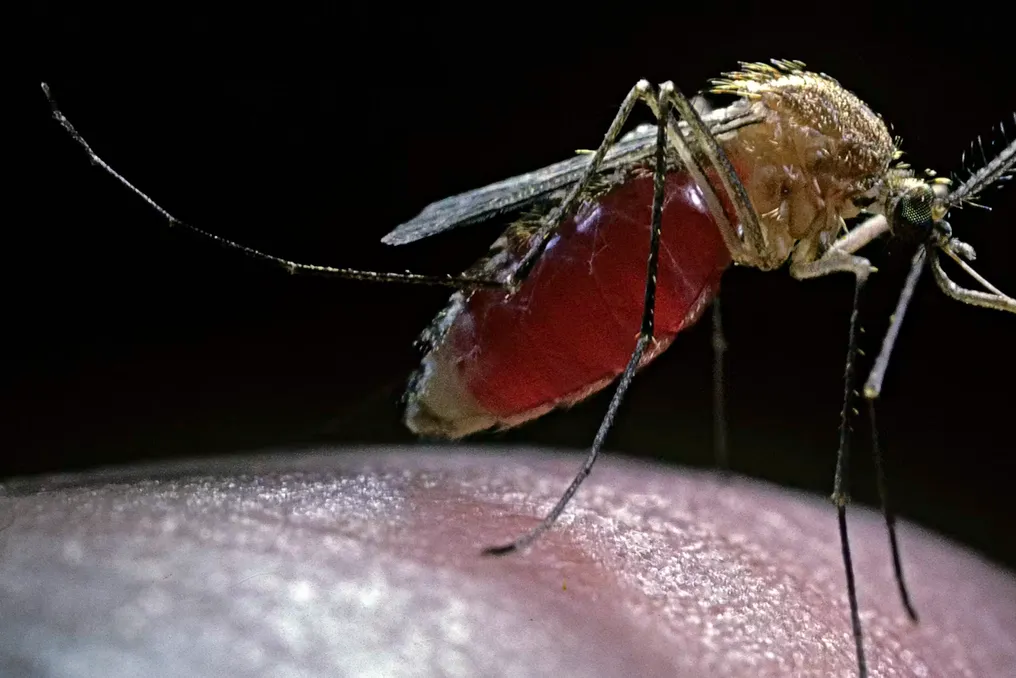
The virus, which originates from wild birds and is primarily transmitted by mosquitoes of the Culex genus, is not expected to turn into an epidemic like dengue, despite popular fears. Most infected people, about 80%, show no symptoms. In the other 20%, fever, headache, muscle aches, and skin rashes may appear, a condition easily confused with dengue.
The severe form, which affects less than 1% of infected individuals (approximately one in every 150), causes damage to the nervous system, potentially causing meningitis, encephalitis, or paralysis similar to polio. In these cases, the risk of death is about one in ten, doubling after the age of 70. Currently, there is no human vaccine or specific medication for the virus; treatment is only supportive.
Science indicates that the outcome of the infection depends on an initial battle: if interferons, the body's first line of defense, manage to contain the virus in the first hours, the person may not notice the illness. Failures in this defense allow the virus to reach the brain. Some of these failures are linked to genetic variants that prevent defense cells from accessing the brain, and others, surprisingly, occur when about 40% of individuals with severe forms have antibodies that attack their own interferons, sabotaging the body's defense.
Age is a relevant factor, as these self-sabotaging antibodies are found in less than 1% of people under 65 and in about 5% of those over 70, explaining much of the so-called 'age risk'. Unlike dengue, which has a closed urban cycle with the Aedes aegypti mosquito, West Nile depends on infected birds to persist; humans are considered accidental or terminal hosts because the viral load in the blood is insufficient to infect the next mosquito, and the virus circulates in human blood for only one to three days.
Although the virus has been circulating for a long time, recent studies reveal that many cases go unnoticed or are undiagnosed. A previous study analyzed 561 patients in Ceará with unexplained fever or neurological problems, identifying 68 cases of West Nile fever, representing 12% of the total, even though the state had not registered official confirmations until July of this year. Genetic analysis of this same study demonstrated that the microorganism has been present in Brazil since late 2007.
Furthermore, the aging of the Brazilian population, with a 57% increase in the group aged 65 or older between 2010 and 2022, is progressively increasing the population most vulnerable to the disease. Combating the vector, the Culex mosquito, requires more than sporadic campaigns; it requires basic sanitation, since this mosquito reproduces in water with high organic matter, such as sewage and ditches, and bites predominantly at night.
It is recommended to use repellents at dusk and dawn, screens on openings, and clothing that covers arms and legs near areas with stagnant water. People over 60, transplant recipients, or those undergoing immunosuppressive treatment should exercise extra caution and seek immediate medical attention if they present with fever accompanied by mental confusion, neck stiffness, or leg weakness.