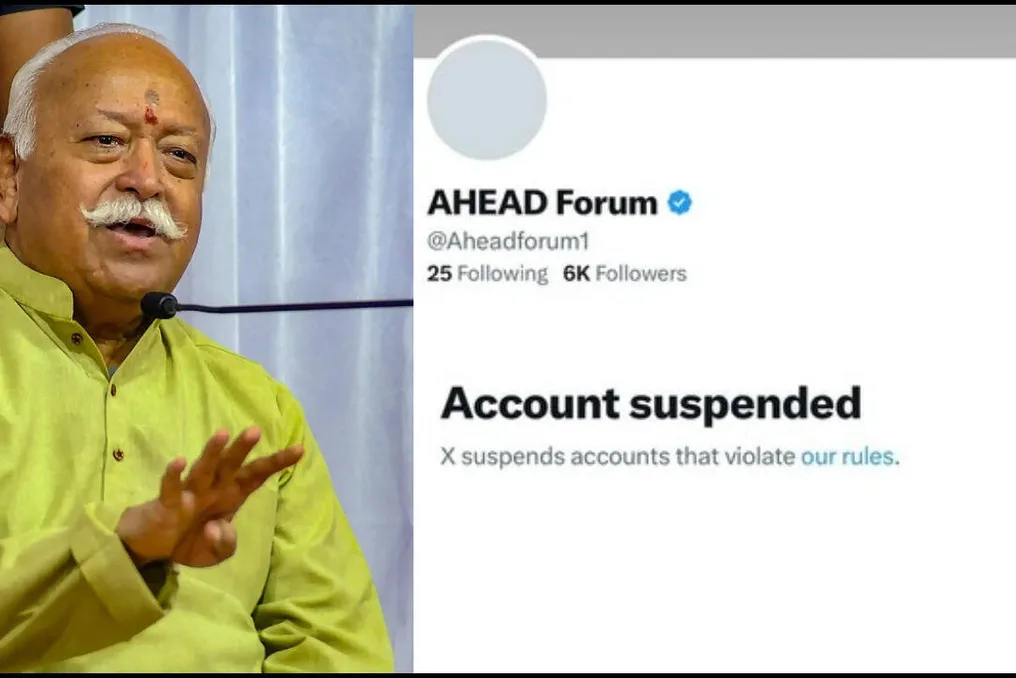
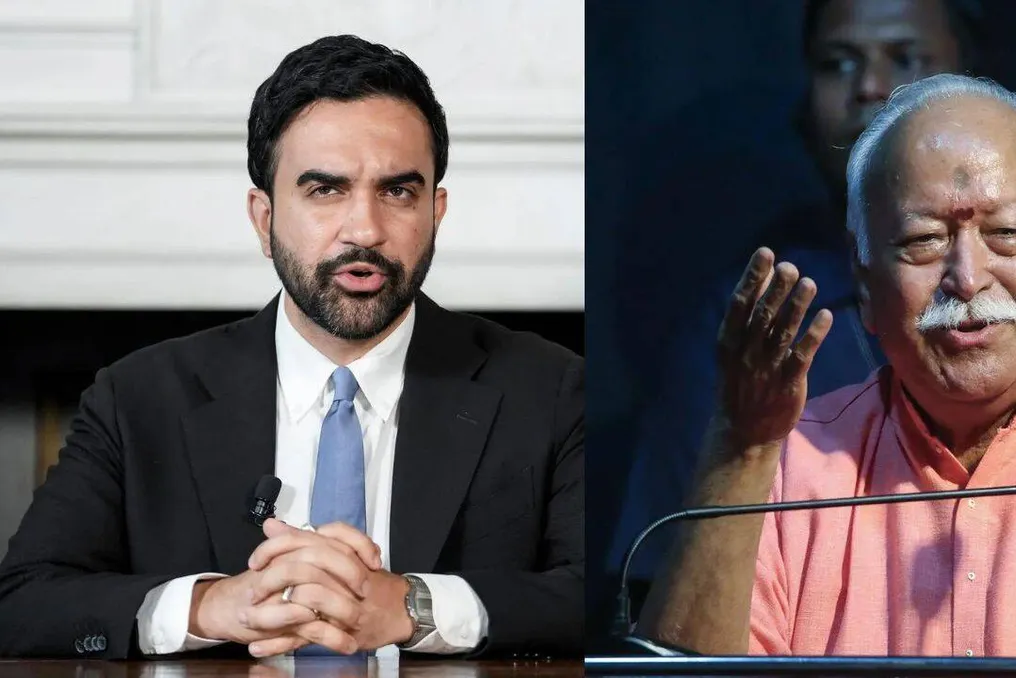
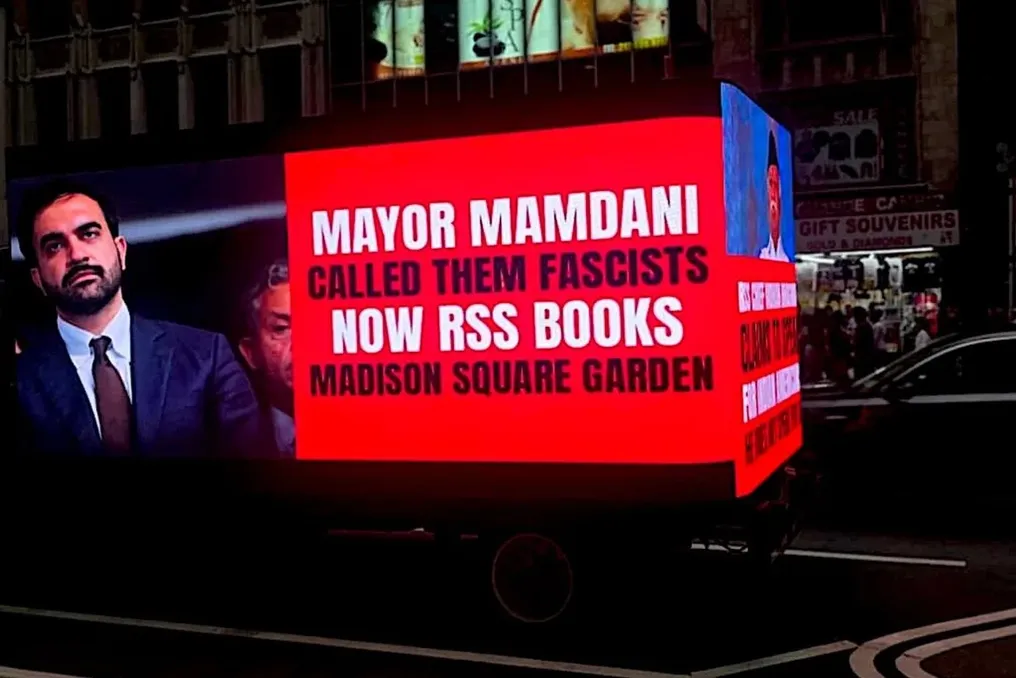
Activists have appealed to New York Mayor Zohran Mamdani, demanding the cancellation of an event scheduled for this weekend at Madison Square Garden. The event will be highlighted by the head of the Indian Hindu nationalist paramilitary organization Rashtriya Swayamsevak Sangh (RSS).
Demonstrators plan to gather near City Hall on Tuesday to urge the mayor to cancel the event, which will feature controversial RSS leader Mohan Bhagwat, and to condemn the growing influence of this organization in the United States.
Sarviya Tadepalli, deputy executive director of the organization Hindus for Human Rights, stated in a statement: 'Mohan Bhagwat does not represent Hindus. He leads an extremist Hindu nationalist movement that has fueled violence, exclusion, and fear for minorities.'
Tadepalli added that New York should not provide the RSS with a platform where religious nationalism can be presented as unity. Activists intend to gather at City Hall to defend a truly pluralistic vision of India, where no belief is used to define belonging or power.
Activists informed Middle East Eye that the rally on Tuesday will follow a letter signed by dozens of human rights and community groups, as well as local officials Brad Lander and Shahana Hanif. Two other local Indian American politicians—State Assembly member Steven Raga and City Council member Shekhar Krishnan—also did not sign the statement.
MEE contacted Mamdani and the two local politicians for comment but had not received a response by the time of publication.
The RSS, founded by Hindu nationalist Keshav Baliram Hedgwar in the Indian city of Nagpur in 1925, is generally described as the source of the Hindutva or Hindu nationalist movement. The Bharatiya Janata Party (BJP), led by Prime Minister Narendra Modi, is widely considered its political wing.
Since its founding, the RSS has had ties to fascist movements in Europe, and its early ideologues also expressed admiration for the Zionist movement in Palestine. Hindu nationalism, similar to Zionism, seeks to create a supremacist state centered around one dominant religious and cultural community.
One speaker also noted that the choice of venue held additional significance. 'It reflects the strength and success associated with their narrative of pride and assertiveness. And importantly, it helps create images and content that can be transmitted back to India.'
In September 2014, Modi spoke at Madison Square Garden before an audience of about 18,000 people just months after taking office as Prime Minister. 'I am going to make India your dream,' Modi told the adoring crowd. The Los Angeles Times described the atmosphere as a 'rock star reception' for the Indian leader.
Anderson believes that this weekend's event will be viewed by Hindutva scholars as part of the RSS's efforts 'to strengthen the legitimacy and influence of the RSS' and 'counter the portrayal of the organization as 'paramilitary' and 'anti-minority'.'
After Modi became Prime Minister in 2014, hate crimes against minorities sharply increased. Muslim men were killed by Hindu militias simply on suspicion of consuming or slaughtering cattle. Hindu religious leaders also publicly called for mass killings of Muslims, often without serious consequences.
This climate of exclusion has spread to the electoral system, as Muslims have been disproportionately affected by removal from voter rolls. There is also a sharp rise in hate crimes against Christians in India.
Mamdani previously criticized the rise of Hindu nationalism in India, including recently in 2024. Four months before becoming mayor, Mamdani signed a letter demanding the removal of a Hindu nationalist float depicting a temple built on the ruins of a mosque in Ayodhya from the annual India parade. At the time, Mamdani, as a member of the New York Assembly, told Maktoob Media: 'It is not just about one float. For the BJP and its affiliated Hindu nationalist groups, the Muslim population of India is not only an obstacle to their political goals; it is antithetical to their definition of the nation.'
Despite this, since taking office, Mamdani has faced criticism regarding whether some of his outspoken positions, including those concerning Palestine, are political symbolism rather than actionable policy.