BPCL asserts that E20 will not be replaced by E10 amid discussions about old vehicles
Read more
Business Standard
business-standard.com

BPCL asserts that E20 will not be replaced by E10 amid discussions about old vehicles

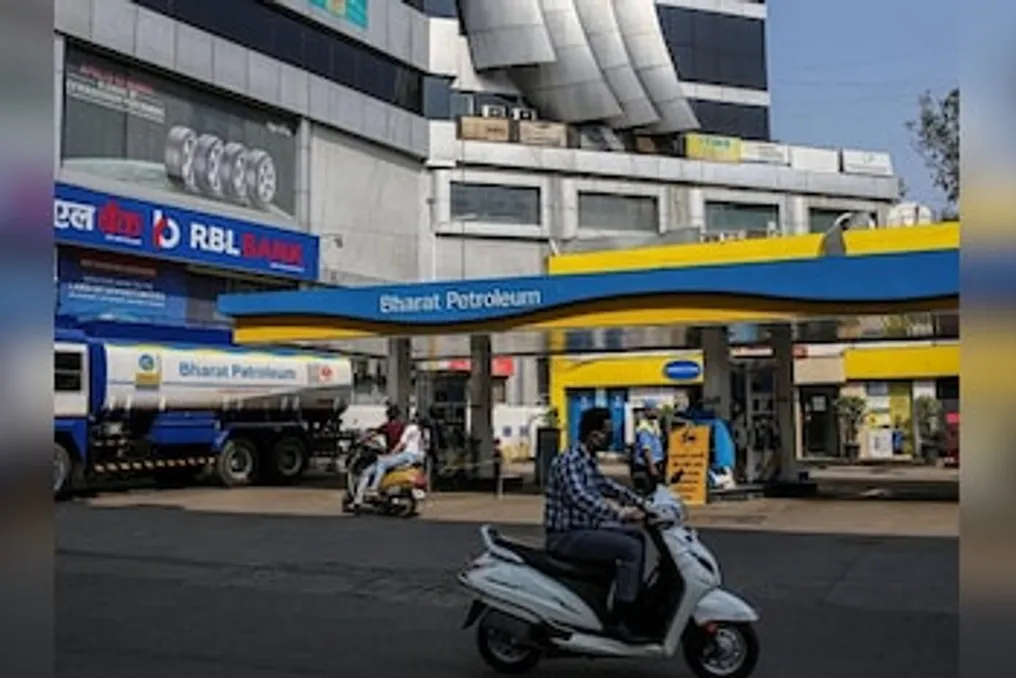
Bharat Petroleum Corp Ltd (BPCL), India's second-largest fuel retailer, stated on Thursday that there are no plans to replace E20 gasoline with E10. The company clarified that the current debates concern the possibility of providing older vehicles with lower ethanol content fuel and how an additional grade of gasoline could be accommodated within India's extensive fuel distribution network.

During a media conference following the annual shareholders' meeting, BPCL Chairman and Managing Director Sanjay Khanna noted that he sees no operational or logistical issues in transitioning from E20 to E10 if the government decides to change the ethanol blending policy.

He emphasized: 'I have never said that E20 will be replaced by E10.' He added that some circles are discussing whether older vehicles should have the option to use fuel with a lower ethanol content. However, he explained: 'This does not mean that E20 will disappear, but that E10 will appear.'

These statements came amidst a broader policy discussion on whether owners of older vehicles should have access to E10 gasoline, which contains 10 percent ethanol, alongside E20, which contains 20 percent ethanol. India is gradually increasing the addition of ethanol to gasoline as part of efforts to reduce crude oil imports, decrease emissions, and support domestic ethanol production.

Khanna also stressed that no final decision has been made regarding a change in the current fuel blending regime. He stated: 'Nothing has been finalized.' However, when asked about potential changes, he noted that since E20 is already established, the transition to E10 or its implementation poses no problems for the company, and none of the oil companies will face difficulties moving from E20 to E10.

There is a discussion about whether India should make E10 gasoline, containing 10% ethanol, available parallel to E20 fuel, against concerns from consumers and industry stakeholders regarding the impact of higher ethanol concentrations on vehicles and fuel availability.

When asked about necessary changes for oil companies in the event of E10 introduction, he reported that the existing infrastructure would not create serious obstacles. Nevertheless, there is a difference between changing the fuel composition and providing an additional grade of gasoline alongside E20; the latter presents a more significant logistical challenge, especially considering the scale of India's fuel distribution network.

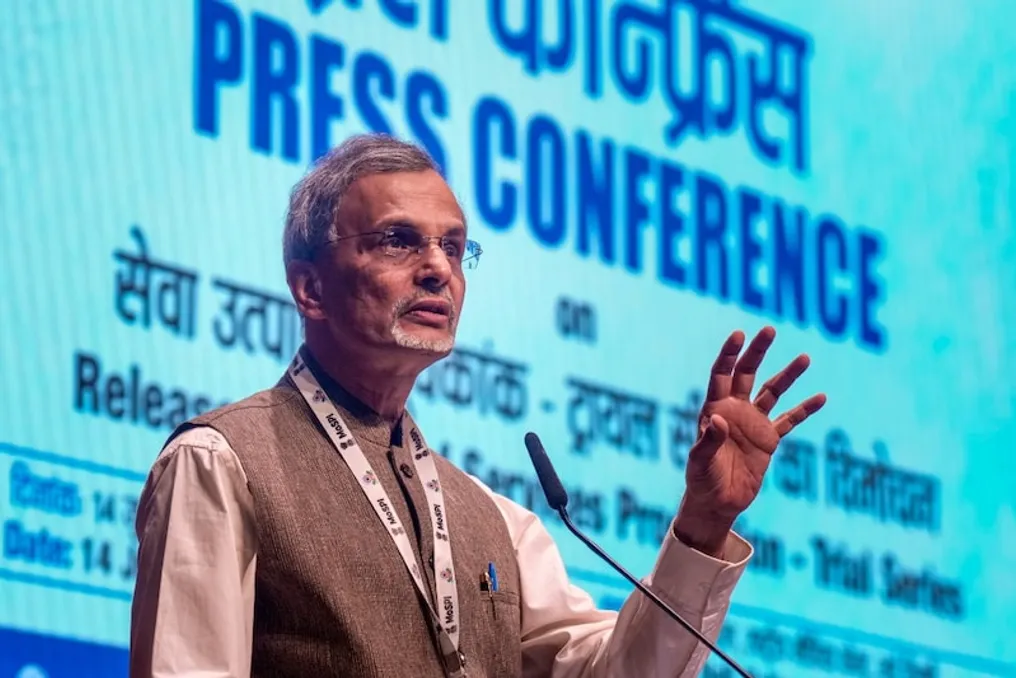
Earlier this month, the government's Chief Economic Advisor V Anantha Nageswaran, along with Akash Pujari, an advisor to the Department of Economic Affairs, stated in his article that India should restore an option for lower ethanol content gasoline to protect millions of older vehicles.

E20 gasoline, containing 20% ethanol, was introduced last year and became the sole type of gasoline available at petrol pumps across India starting April 1, as part of measures to reduce India's dependence on imported oil, support agriculture, and cut emissions. However, some users, particularly owners of vehicles that do not meet the BS-VI standard, have reported reduced performance and damage to auto parts—a claim the government has repeatedly dismissed as unfounded.

The Ministry of Petroleum insists that creating and maintaining infrastructure to supply multiple grades of fuel is impractical. Nageswaran and Pujari argued that existing evidence does not support widespread claims that E20 damages engines, but they countered that the policy could pose problems for India's large fleet of older two-wheelers.

The country has about 75–80 million older two-wheelers manufactured before the BS-IV standard, which run on carburetors. A carburetor cannot sense additional oxygen in the mixture and adjust operation, so when using E20, the engine consumes too little fuel for the incoming air and overheats. Furthermore, old rubber seals not designed for ethanol present a separate issue, as they degrade upon contact with the fuel regardless of engine temperature, as they wrote.

The authors recommended restoring lower ethanol content fuel, such as E10, alongside E20 to protect older vehicles, allowing the government to continue its ethanol utilization program. Their article stated that the government should 'protect the existing fleet until the modernization program catches up.'

The Ministry of Petroleum and Natural Gas had previously stated last month multiple times that requiring every petrol station to store pure gasoline, E10, and E20 simultaneously would create significant logistical difficulties. India has over one hundred thousand petrol stations supported by an extensive network of refineries, terminals, depots, and pipelines. The Ministry noted that maintaining multiple grades of base gasoline in the network would increase processing costs, complicate inventory management, and reduce operational efficiency.

The Ministry also stated that comparisons with premium gasoline are incorrect, as premium fuels are niche products sold in limited quantities at a significantly higher price and do not represent separate national streams of base fuel. The Ministry asserted: 'Running parallel national supply chains for pure gasoline, E10, and E20 would be a completely different task.'

The logistical issue is particularly relevant if E10 is offered as an optional extra for older vehicles rather than a replacement for E20. The BPCL Chairman acknowledged that the implications of offering another grade are part of ongoing debates. He noted: 'What are the issues related to supplying another grade (of gasoline)... these are issues being discussed.'

_
Similar stories

Bharatiya Janata Party MP states E20 fuel will not damage engines, citing mechanics' opinions
Read more
www.aajtak.in

Bharatiya Janata Party MP states E20 fuel will not damage engines, citing mechanics' opinions

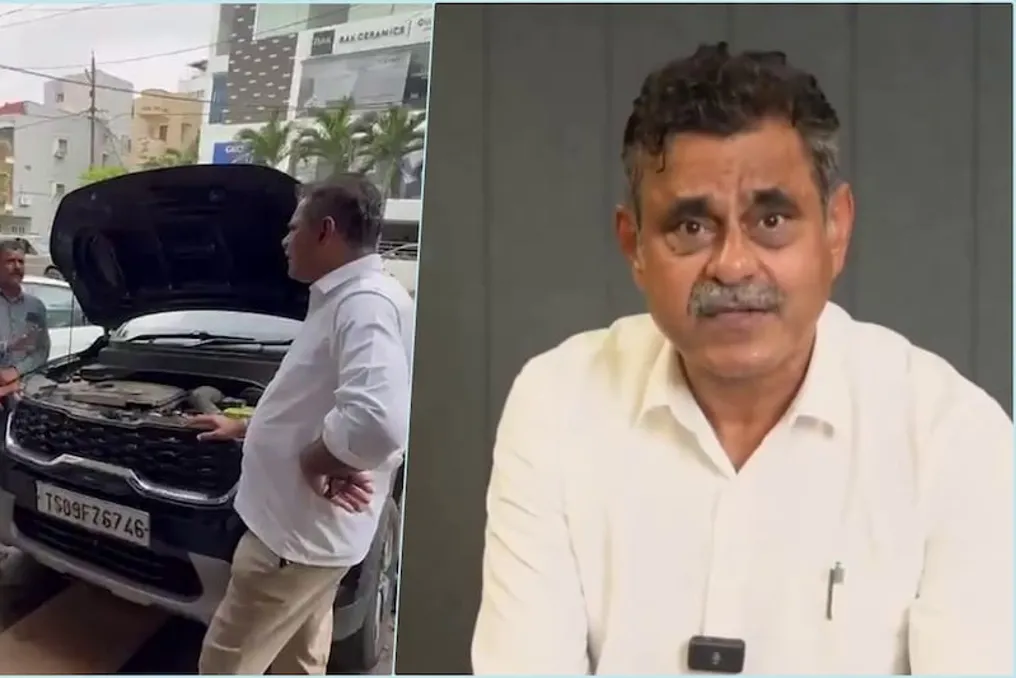
There is a serious question surrounding E20 gasoline regarding whether the 20 percent ethanol it contains can damage a vehicle's engine. The government has repeatedly clarified its position on this matter. Recently, Bharatiya Janata Party MP Konda Visweswara Reddy refuted the erroneous nature of the discussion around E20 in his video address. He has now released another video addressing whether fuel mixed with ethanol affects a car engine.

Konda Visweswara Reddy, a Lok Sabha MP representing the Chevella constituency in Rangareddy district of Telangana state, previously demonstrated in a video, by burning ethanol and gasoline in one bowl, that ethanol is a clean fuel and produces fewer emissions compared to regular gasoline. However, this time Reddy relied on conversations with mechanics and scientific studies to explain whether E20 gasoline is beneficial.

In his video, Reddy stated that he spoke with approximately 30-40 auto mechanics from different regions of the country about the impact of E20 gasoline. These mechanics stated that E20 fuel does not harm vehicles. Furthermore, he showed an animated video illustrating the internal combustion process of an engine. The MP also cites scientific research, highlighting the advantages of ethanol, including work from the U.S. National Renewable Energy Laboratory (NREL), Oak Ridge National Laboratory, Massachusetts Institute of Technology (MIT), and SAE International.

Overall, Reddy believes that E20 gasoline poses no risk of engine damage in either new or old cars. Nevertheless, the government acknowledged in parliament that due to E20 gasoline, some rubber components of older vehicles may fail, and there might be a decrease in fuel consumption by 3-5 percent.

Amidst ongoing debates about E20 gasoline, a new path is opening up. Discussions are currently underway between the government and the oil and gas industry regarding E10 gasoline (90 percent gasoline and 10 percent ethanol). Special attention is being paid to older vehicles in these talks. Both technical and non-technical aspects are being discussed. Although a final decision has not yet been made, negotiations continue, and an E10 option is expected in the future.

Negotiations begin between government and industry regarding the possible return of E10 gasoline for older vehicles
Read more
www.aajtak.in

Negotiations begin between government and industry regarding the possible return of E10 gasoline for older vehicles

Discussions continue in the country regarding E20 gasoline. Citizens complain that using this fuel has led to reduced fuel consumption in vehicles and damage to engine components, while the government continues to emphasize the advantages of this fuel. However, a new path has opened up during these debates: preliminary negotiations have begun between the government and the oil industry.

The possibility of providing E10 gasoline on the market alongside E20 is being discussed. Although this discussion is currently in its early stages and no final decision has been made, it gained momentum after India achieved its target for blending 20% ethanol into gasoline last year, completing this task approximately five years ahead of schedule.

Questions arose concerning older vehicles after the transition to E20 as the primary fuel. Many owners and citizens claim that in older engines not designed to run on high-ethanol fuel, there is a decrease in fuel efficiency and impact on certain engine components.

The government has repeatedly tried to dispel these concerns. Nevertheless, the government admitted in parliament that using E20 in older cars could lead to a 3–6 percent reduction in fuel consumption and might affect rubber components. Despite this, the government insists on the benefits of E20, such as reducing dependence on imported fuel, decreasing environmental pollution, and increasing farmers' income.

According to media reports, during discussions between the government and industry organizations, special attention is being paid to older vehicles. Both technical and non-technical aspects are being considered in the negotiations. No concrete results have been achieved yet, and the dialogue continues. There is hope that an alternative in the form of E10 may appear in the future.

The main issue facing vehicle owners was the lack of choice when selecting gasoline. If a driver wishes to use E10, or if their old car or motorcycle is certified for E10, they currently have no options.

Some opposition politicians also raised questions about the absence of various fuel options. During this period, one government official first proposed bringing back E10 gasoline. Specifically, in an article by India's chief economic advisor, V. Anantha Nageswaran, it was suggested that E10 be made available alongside E20, mentioning the drop in fuel consumption and component failures in millions of older vehicles. After the publication of this article, the situation took a new turn, and discussions on the return of E10 resumed.

A significant reason for this discussion is the large number of older vehicles in the country. According to the auto industry data, vehicles manufactured and sold after April 2023 are fully ready for E20 use, as the government made compliance with E20 mandatory under BS6 Phase-2 emission norms. That is, new vehicles sold on the market today meet E20 requirements.

However, the situation is completely different for most vehicles sold before April 2023. For example, in the Delhi-NCR region, the service life of a gasoline vehicle is set at 15 years. Consequently, a gasoline car manufactured in March 2023 can be operated on the roads until March 2038 according to current regulations. There are many owners who bought new cars before April 2023, whose cars are only 3–4 years old, are in good condition, and are used daily. But the main concern relates to the use of E20 fuel in these vehicles.

Government Advisor Proposes Reintroducing E10 Gasoline for Older Vehicles
Read more
www.aajtak.in

Government Advisor Proposes Reintroducing E10 Gasoline for Older Vehicles

An active discussion is underway in the country regarding E20 gasoline. Issues are being debated everywhere—from roads to parliament and social media. Concerns are arising that using this fuel leads to reduced fuel efficiency and component failure in vehicles. Consequently, many citizens are demanding the option to use low-ethanol blended fuels, such as E5 and E10. Notably, for the first time, a government representative has raised the possibility of reintroducing E10 fuel.

The debates now concern not only engine performance but also whether the drive for fuel economy compromises the balance in the country's agriculture, water supply, and food security. This issue cannot be ignored because it is being raised not by a social media critic, but by V. Anantha Nageswaran, the chief economic advisor to the government of India.

In an article published in The Indian Express, Nageswaran emphasized that before transitioning from E20 to E27 or E30, a full analysis of the so-called 'nutrition versus fuel compromise' must be conducted. E20 fuel, which was previously seen as an alternative to gasoline, a tool for reducing oil imports, and an environmental advantage, requires deeper consideration. The main question is whether corn will fuel gas tanks or feed people. Since the debate over engines is distracting attention, the real fight is for land and water, which, once directed towards fuel, are difficult to return for agricultural needs.

Nageswaran's advice is for the government to restore the availability of E10 fuel for older vehicles. This fuel is a mixture of 90 percent pure gasoline and 10 percent ethanol. However, he also addresses common concerns about E20. He notes that there is widespread fear on social media that E20 reduces fuel consumption and damages vehicle components. Nevertheless, these claims are not entirely accurate, and he refers to the results of various tests.

According to Nageswaran, ethanol contains less energy compared to gasoline; the energy obtained from one liter of ethanol is about two-thirds the energy obtained from gasoline. Therefore, a vehicle on E20 may travel slightly less distance per liter of fuel. However, this does not mean engine failure. Since E20 contains 20 percent ethanol, the total energy reduction is approximately 6–7 percent, not 30 percent as claimed on social media.

Interestingly, using E20 can help reduce pollutants such as carbon monoxide and unburnt hydrocarbons. So far, tests have not revealed anything alarming regarding engine durability and stability. For instance, the National Oak Laboratory in the USA conducted tests on 86 vehicles not compliant with E20 standards, driving them for about 10 million kilometers. No additional component wear was found during these tests. Similar conclusions were drawn in India through tests by ARAI, Petroleum Institute, and Indian Oil, refuting claims of engine failure in every E20 vehicle.

There is a significant exception. India has about 75–80 million old two-wheeled vehicles manufactured before the BS4 standard that use carburetors. These old carburetors cannot automatically regulate fuel delivery according to the excess oxygen contained in ethanol. As a result, the engine may receive less fuel than required, which can lead to overheating. Furthermore, rubber seals in older vehicles present a separate problem: they may fail upon prolonged contact with ethanol if they are not designed to handle it. Although replacing these seals with ethanol-resistant ones is not too costly, the problem is that modernizing 75–80 million old two-wheeled vehicles in India will be a difficult task, and even with immediate action, it will take many years to update the entire fleet.

Nageswaran points out that the initial policy intended to solve this problem by ensuring the availability of low-ethanol gasoline for older machines. However, low-ethanol fuel has gradually disappeared from petrol pumps. Therefore, it is necessary to ensure the availability of fuel like E10 alongside E20. This will ease the lives of older vehicle owners and reduce fears associated with E20. It is important to note that this will not require an increase in overall ethanol consumption: a low-ethanol option can be provided for older cars, while new vehicles can continue to use E20.

Popular