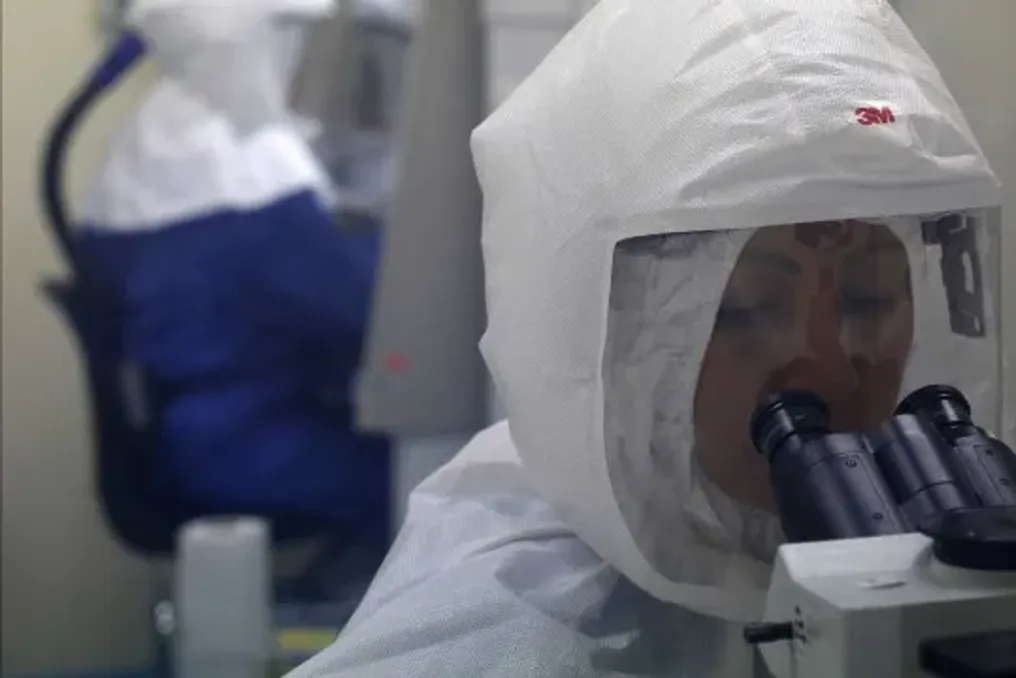
Egyptian Minapharm prepares new vaccine against Ebola Bundibugyo variant with support from CEPI
Read more
Noticias ao Minuto
noticiasaominuto.com

Egyptian Minapharm prepares new vaccine against Ebola Bundibugyo variant with support from CEPI

According to the financial information agency Bloomberg, the Minapharm Group will receive a financial contribution of up to $16.5 million, equivalent to approximately 14.1 million euros, from the Coalition for Epidemic Preparedness Innovations (CEPI). This funding is intended to advance the company's vaccine against the Ebola Bundibugyo variant through preclinical development phases and for an initial clinical trial scheduled to take place in Africa.

CEPI, an international organization focused on stimulating investment in vaccines, stated that this will be the fifth vaccine candidate specific to Bundibugyo to receive financial support since the start of the epidemic. This investment adds to growing efforts to create vaccines against Bundibugyo, a rare strain of Ebola for which there is currently no approved vaccine.

CEPI's objective is to have at least two vaccine candidates obtain emergency authorization and prequalification from the World Health Organization for use during the current epidemic and in any future occurrences of Bundibugyo.

The unprecedented scale of this epidemic is forcing health authorities to seek protection methods against a virus without a proven vaccine, given that the number of confirmed cases has reached 5,713 and the number of deaths has reached 2,744 since the epidemic was declared in May.

The news about the vaccine progress coincides with an announcement by the Congolese National Institute of Public Health (INSP), which pointed out that the epidemic response faces difficulties, such as low reception capacity and a shortage of Ebola treatment centers in certain health units. Furthermore, inadequate functioning at checkpoints and entry points in affected regions has been reported, attributed to the demotivation of agents at these posts due to not receiving remuneration.

Authorities in the Democratic Republic of Congo (DRCongo) also warned about deficient monitoring of confirmed case contacts, especially in the North Bas-Uélé province, due to a lack of dedicated teams for these tasks.

According to the latest INSP report, 5,713 confirmed cases and 2,744 Ebola deaths have been recorded, resulting in a mortality rate of 48%. The tracing rate remains at 84.6%, falling short of the established target of 85%, while 1,269 people have recovered and 770 remain in isolation or hospitalized in treatment centers.

Besides Bas-Uélé, the virus spread is affecting five other provinces: Ituri (considered the epicenter in the east), Tshopo (in the north-central region), Haut-Uélé, North Kivu, and South Kivu (in the east), with the latter not reporting new confirmed cases in over 80 days.

On Friday, the African country received the first 16,520 doses of the Ervebo vaccine, originally developed against the Zaire Ebola variant, but which showed signs of potential efficacy against the Bundibugyo variant in animal studies, responsible for the current epidemic.

Although there are no specific treatments for this variant at the moment, the World Health Organization (WHO) communicated that two other vaccines developed to combat Bundibugyo are in Phase 1 human trials and have been deemed safe, despite their development potentially requiring several months.

This epidemic constitutes the second deadliest in history, surpassing the outbreak that occurred in the same Congolese region between 2018 and 2020, but it is still far from being the most severe ever recorded, which caused about 11 thousand deaths and 28 thousand infections in West Africa between 2014 and 2016.

After being declared in the Ituri province (East), the epidemic also spread to Uganda, where the WHO declared the end of the outbreak on Wednesday, after recording 20 confirmed infections, including 15 cases brought from DR Congo, of which two people died.

The Ebola virus is transmitted through direct contact with the body fluids of infected individuals or animals and causes severe hemorrhagic fever, vomiting, diarrhea, and internal bleeding.
Similar stories

Pope calls for international response to contain Ebola epidemic in the Democratic Republic of Congo
Read more
noticiasaominuto.com

Pope calls for international response to contain Ebola epidemic in the Democratic Republic of Congo

The leader of the Catholic Church expressed concern over the spread of the Ebola epidemic in the Democratic Republic of Congo (DRC), calling for intervention from the international community. The Pope made these statements from the Vatican during the celebration of the Angelus, frequently mentioning the situation in the DRC in his prayers.

Congolese authorities reported that the epidemic has already resulted in 2,557 deaths and accounts for 5,375 confirmed cases. The DRC Government had raised this death toll on Saturday, classifying the outbreak as the second deadliest in world history and the one with the highest number of infections in the African country.

In his appeal, the Pope encouraged a reaction from the international community that also integrates local populations into prevention activities, aiming to save lives. According to the latest bulletin released by the Congolese Ministry of Communication, with data collected up to August 20, the current mortality rate reaches 47.6%.

Additionally, 737 patients are under isolation or hospitalized, while 1,167 people have recovered from the disease. Authorities report that the contact tracing rate, which measures the percentage of contacts of an infected individual identified by health services, is at 85.5%, exceeding the established target of 85% to reverse the epidemic.

The virus transmission affects six Congolese provinces: Ituri, considered the epicenter of the outbreak; North Kivu, Haut-Uele (located in the east), and Tshopo (located in the north-central); Bas-Uele (in the north) and South Kivu (in the east). The country has recently received vaccines in an attempt to control the pandemic.

The Ervebo vaccine, initially developed to combat the Zaire variant of the Ebola virus, showed signs of efficacy in animals against the less common Bundibugyo strain. Furthermore, the World Health Organization (WHO) confirmed that two other vaccines specific to Bundibugyo are in Phase 1 clinical trials in humans and were deemed safe, although their development may take several months.

The WHO warned that the current outbreak shows the fastest growth rate since its declaration compared to any previous outbreak, having the potential to reach the numbers recorded in West Africa between 2014 and 2016, when there were 11 thousand deaths. The Ebola virus is transmitted through direct contact with the body fluids of infected people or animals and causes severe hemorrhagic fever, vomiting, diarrhea, and internal bleeding.
WHO makes 70,000 doses of Ervebo vaccine available to combat Ebola outbreak
Read more
noticiasaominuto.com

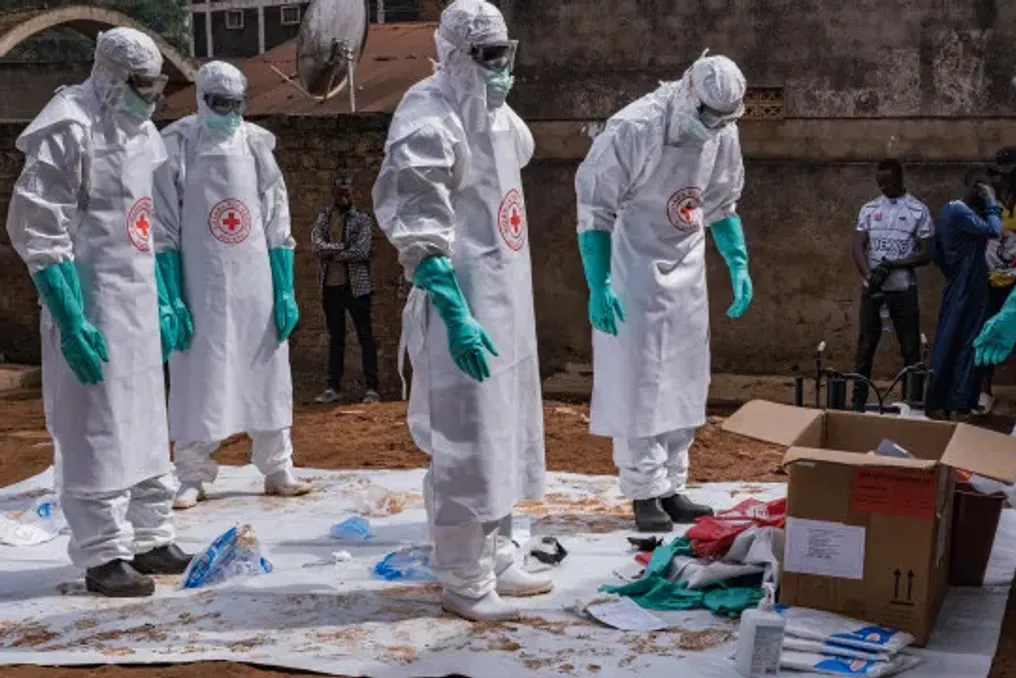
WHO makes 70,000 doses of Ervebo vaccine available to combat Ebola outbreak

The World Health Organization (WHO) announced the availability of 70,000 doses of the Ervebo vaccine. This batch includes 20,000 doses designated for a Phase 3 clinical trial, aimed at analyzing the vaccine's effect against the Bundibugyo virus, and 50,000 doses reserved for healthcare professionals and frontline workers.

Although there is no confirmation yet that the Ervebo vaccine, which was specifically approved for the Zaire strain of the Ebola virus, can protect against the Bundibugyo virus, initial data obtained in laboratories and animals indicate that it may offer some protection.

The epidemiological situation in the Democratic Republic of Congo (DRCongo) is serious, with the outbreak having already caused 2,476 deaths and recorded 5,208 confirmed cases, according to data released today by the government of Kinshasa. This establishes this Ebola outbreak as the deadliest ever documented.

In a meeting of the Emergency Committee, convened under the International Health Regulations to assess the epidemic, the WHO Director-General, Tedros Adhanom Ghebreyesus, warned that the epidemic is far from being controlled. He stressed that the risk of wider dissemination within the DRCongo and to other nations remains high.

Adhanom Ghebreyesus stated three months ago that the epidemic caused by the Bundibugyo virus in the DRCongo constituted a public health emergency of international concern. He added that since then, the disease has spread rapidly, keeping the risk of national and international propagation high.

According to recent WHO information, the Ebola virus began circulating in the eastern region of the DRCongo in February. However, a study published in the journal Science at the end of July hypothesized that the first infections might have occurred even earlier, possibly in January.

After the declaration of the epidemic in the Ituri province, the virus spread to neighboring Uganda. This country had declared itself Ebola-free on July 28, after recording 20 confirmed cases, 15 of which were classified as imported from the DRCongo, including two deaths.

The current epidemic is linked to the Bundibugyo strain, characterized by a fatality rate ranging between 30% and 50%. The WHO reports that there is no authorized vaccine or specific treatment for this strain.

The Ebola virus is transmitted through direct contact with the body fluids of infected individuals or animals and manifests with severe hemorrhagic fever, vomiting, diarrhea, and internal bleeding.

New Ebola Outbreak in DRC Becomes Second Deadliest in History
Read more
noticiasaominuto.com

New Ebola Outbreak in DRC Becomes Second Deadliest in History

The current Ebola outbreak in the DRC has reached a total of 4,945 confirmed cases, surpassing the figures for both infections and mortality of the outbreak in eastern DRC between 2018 and 2020, which resulted in 2,299 deaths and 3,481 cases.

Nevertheless, this outbreak still falls short of the deadliest registered outbreak to date, which occurred in West Africa in 2014–2016, when 11 thousand deaths and 28 thousand infections were recorded.

The number of deaths in the current epidemic is being reached almost three times faster than in the 2014–2016 outbreak, which is considered the worst in history.

The epidemic is spreading under difficult conditions: strikes among unpaid healthcare workers, threats from rebel groups, resentment from long-traumatized communities, and disinformation claiming that Ebola is not real.

To date, six out of 26 Congolese provinces have been affected by the disease.

According to the latest information provided by the WHO, the virus began circulating in eastern DRC in February, although a study published in the journal 'Science' at the end of July suggested that the first infections might have occurred even earlier, at least in January.

After the epidemic was declared in Ituri, the virus spread to neighboring Uganda. Uganda declared itself 'Ebola-free' on July 28 after registering 20 confirmed cases, including 15 cases recognized as imported from the DRC, among which two deaths were recorded.

The epidemic is linked to the Bundibugyo strain, whose fatality rate ranges from 30% to 50%. According to the WHO, there is no approved vaccine or specific treatment for this strain.

The Ebola virus is transmitted through direct contact with the bodily fluids of infected people or animals and causes severe hemorrhagic fever accompanied by fever, vomiting, diarrhea, and internal bleeding.

Popular