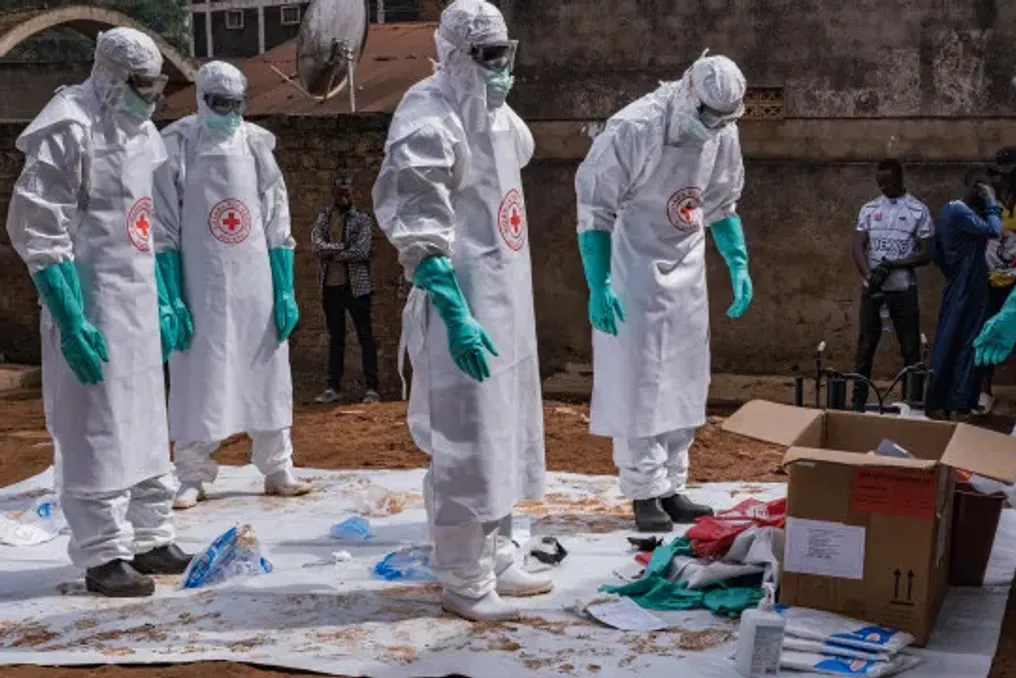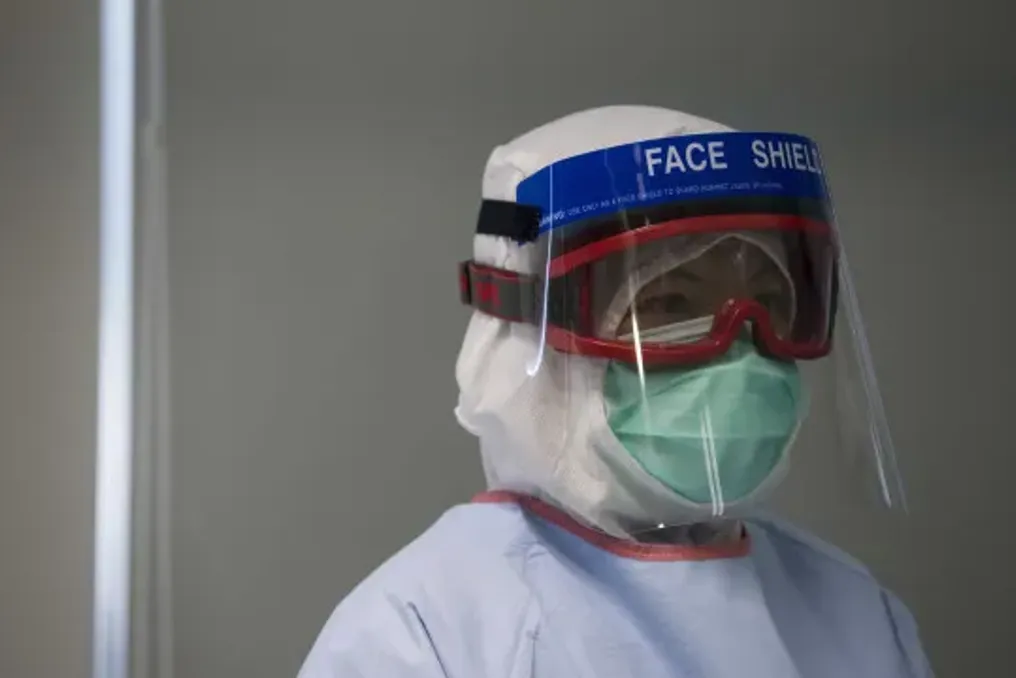
The World Health Organization (WHO) and the Africa Centres for Disease Control and Prevention (Africa CDC) have recognized the end of the Ebola epidemic caused by the Bundibugyo variant in Uganda. This declaration was issued after 42 uninterrupted days without any new confirmed cases.
The WHO reported that this period began after the last patient in the country, an imported case, was discharged from the hospital on July 16, 2026. This interval corresponds to double the maximum incubation period of the Ebola virus and serves as the international criterion to attest to the cessation of transmission.
Tedros Adhanom Ghebreyesus, Director-General of the WHO, stated that Uganda has proven that Ebola outbreaks can be quickly controlled through the adoption of firm measures. He emphasized the need to maintain constant surveillance in both health facilities and entry points.
Jean Kaseya, Director-General of the Africa CDC, stressed that the current focus must be on preventing the spread of the virus in the Democratic Republic of Congo (DRCongo) to prevent new case imports. Kaseya highlighted that Uganda's achievement is a lesson for the continent, but security will only be achieved when transmission is stopped in all areas.
Since the start of the epidemic on May 15, 2026, Uganda has recorded a total of 20 confirmed cases. Of these, 15 were brought from the DRCongo, while five were acquired locally, affecting contacts and healthcare workers. The final tally from health authorities indicates that 18 patients recovered, two died, and over 800 contacts were identified and monitored.
The rapid response of the African country, supported by local and international partners, was based on preventive actions such as early isolation, meticulous tracing, community engagement, and infection prevention.
Mohamed Janabi, WHO Regional Director for Africa, noted that the eradication in Uganda proves the value of continuous investment in preparedness for future public health crises. The WHO assured that it will continue to collaborate with the Ugandan Government and partners to sustain these advances and ensure community safety.
Despite the end of transmission in Uganda, the risk of viral reintroduction remains high due to strong economic ties and population movement with the DRCongo. The WHO advises against travel or trade restrictions, instead calling for the maintenance of epidemiological surveillance, testing capacity, and cross-border cooperation between both countries.
To strengthen preparedness against future outbreaks, Africa CDC and WHO recommend maintaining greater epidemic readiness, including continuous surveillance, testing capacity, rapid alert investigation, strict infection control, and cross-border operational coordination. Both entities will continue to support the governments of Uganda and the DRCongo within the joint continental response plan.
The WHO concluded that stopping transmission in the Democratic Republic of Congo remains an essential priority to protect populations across the region. In contrast, Congolese authorities have already recorded 5,713 cases and 2,744 deaths from Ebola, resulting in a mortality rate of 48%, which constitutes the second deadliest epidemic in history. The virus is transmitted through contact with the body fluids of infected individuals, causing severe hemorrhagic fever, vomiting, diarrhea, and internal bleeding.