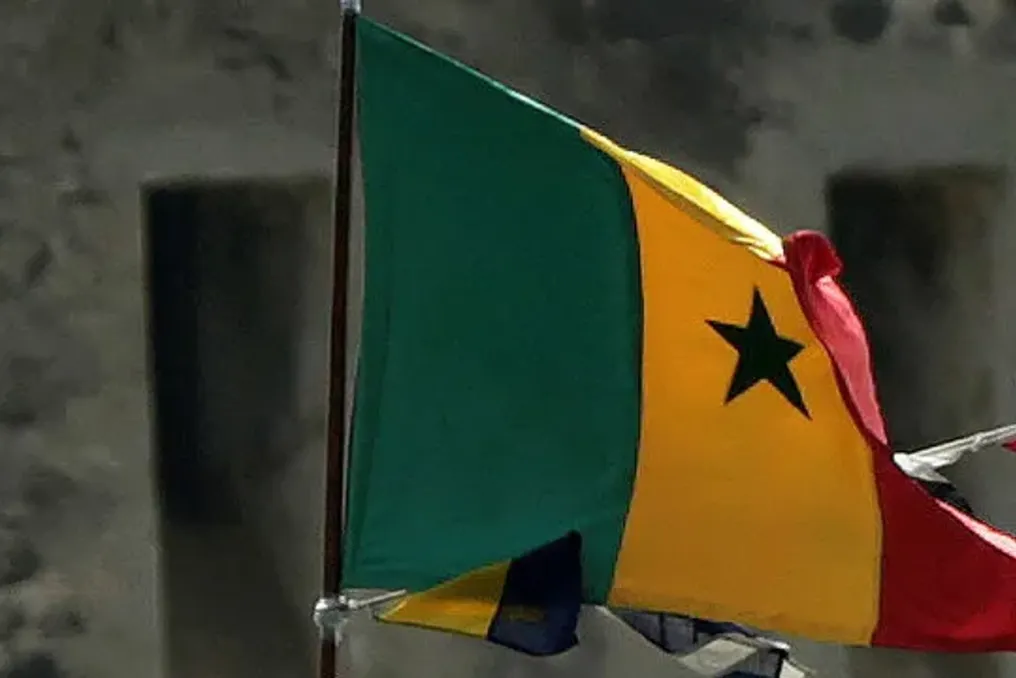
The Senegalese government condemned the xenophobic rhetoric circulating in the country. Mouhamadou Makhtar Cissé stated that there is a type of discourse that does not represent Senegal, as it tends to exclude and divide the Senegalese people.
Cissé's statements were released today by local press and on social media after he gave a speech on Tuesday in the holy city of Tivaouane, during the Muslim festival known as 'Mawlid,' which celebrates the birth of the Prophet Muhammad.
Cissé emphasized that immigrants should not be refused entry, provided they comply with local laws. He stressed that the Senegalese people should not be selfish, citing Islam as a religion based on solidarity and tolerance.
The speaker called for greater openness and genuine welcome for newcomers, arguing that Senegalese hospitality, or 'téranga,' must be a practical reality and not just a tourist representation. Furthermore, Cissé mentioned that more than two million Senegalese live in the global diaspora, considering the country's total population at 19 million.
On August 18, three Non-Governmental Organizations (NGOs), including Amnesty International Senegal, pressured Senegalese authorities to take action against the growing use of xenophobic rhetoric in both the media and on social media, directed at communities already established in Senegal.
Several civil society entities reported acts of intimidation and threats, intensified by social media, against the Guinean community, which has lived and worked in Senegal for several decades.
Previously, on August 17, during a debate held in the National Assembly, nationalist deputy Tahirou Sarr questioned the Minister of Justice. Sarr raised concerns about an 'injustice suffered by the Senegalese people' in various neighborhoods of Dakar, attributing this situation to the 'flow of foreign beggars.' The deputy also accused these 'foreigners' of being involved in activities such as begging, banditry, and prostitution.