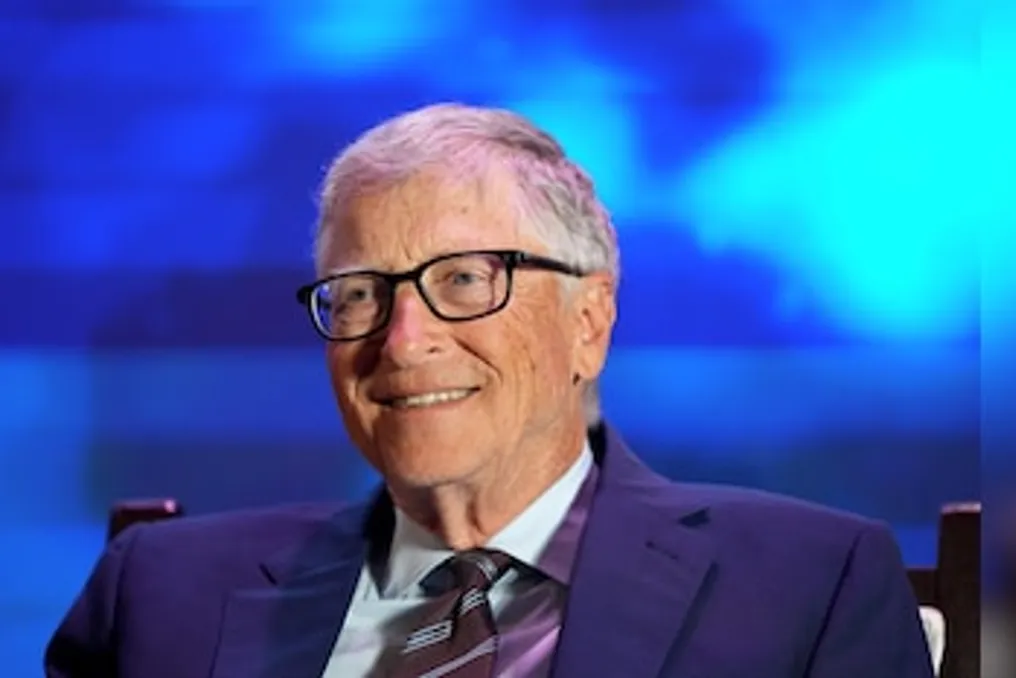
Microsoft co-founder and philanthropist Bill Gates has called for the creation of an urgent national and international system to regulate artificial intelligence. He warns that this technology has the potential to either become a powerful tool for achieving greater equality or deepen existing economic and social inequality.
In his personal blog, Gates noted that AI is developing so rapidly that it can replace or surpass human cognitive abilities in many tasks. However, governments and institutions are insufficiently prepared for such massive changes.
Gates stated that AI could be 'the greatest equalizer ever invented or the worst source of injustice.' He emphasized that the task is colossal, and the transition into this new AI era will be one of the most turbulent periods in human history, with decisions made now determining whether benefits will be widely distributed.
Jobs face rapid structural changes
One of the most serious risks, according to Gates, is the impact of AI on employment. He believes that artificial intelligence could affect both office and manual jobs in fields such as medicine, law, manufacturing, software development, and customer service.
Unlike previous technological shifts, which unfolded over generations, Gates predicts that the transformation caused by AI will happen within about a decade. He cautioned that entry-level and mid-level positions may be particularly vulnerable, and progress in robotics will increasingly affect physical labor.
He called for consideration of methods to mitigate job losses to ensure that all people can participate in the prosperity created by AI.
Safety and human development are under threat
Furthermore, Gates warned that AI could lower the barrier to entry for cyberattacks, fraud, disinformation spread, deepfakes, and biological threats. There is also a risk of power concentration in the hands of governments and other institutions.
A worrying aspect is the impact of AI on children, education, and interpersonal relationships. He noted that AI companions could hinder the development of social skills in young people, and excessive dependence on this technology could weaken critical thinking.
Benefits could transform essential services
Despite the listed risks, Gates believes that AI has the capacity to accelerate scientific discoveries and improve the state of healthcare, agriculture, education, and public services. He sees significant potential in assisting doctors with diagnoses, providing farmers in low-income countries with better agricultural advice, reducing bureaucratic barriers to receiving government aid, and supporting teachers and students.
However, he stressed that these improvements are not guaranteed, insisting on the need for conscious efforts to ensure that the benefits reach everyone, not just a small wealthy group.
Gates insists on new institutions and tax changes
Gates proposed creating national coordination bodies alongside a new international structure capable of addressing cross-border risks associated with AI. He also put forward the idea of reserving certain roles exclusively for humans, which he termed the 'Human Reserve.'
Additionally, he reiterated support for taxing AI tokens and robots to fund worker retraining and strengthen social safety nets. Gates concluded that this unprecedented technology requires an unprecedented global response, and if handled correctly, the benefit to humanity will be phenomenal, making the world more equitable.