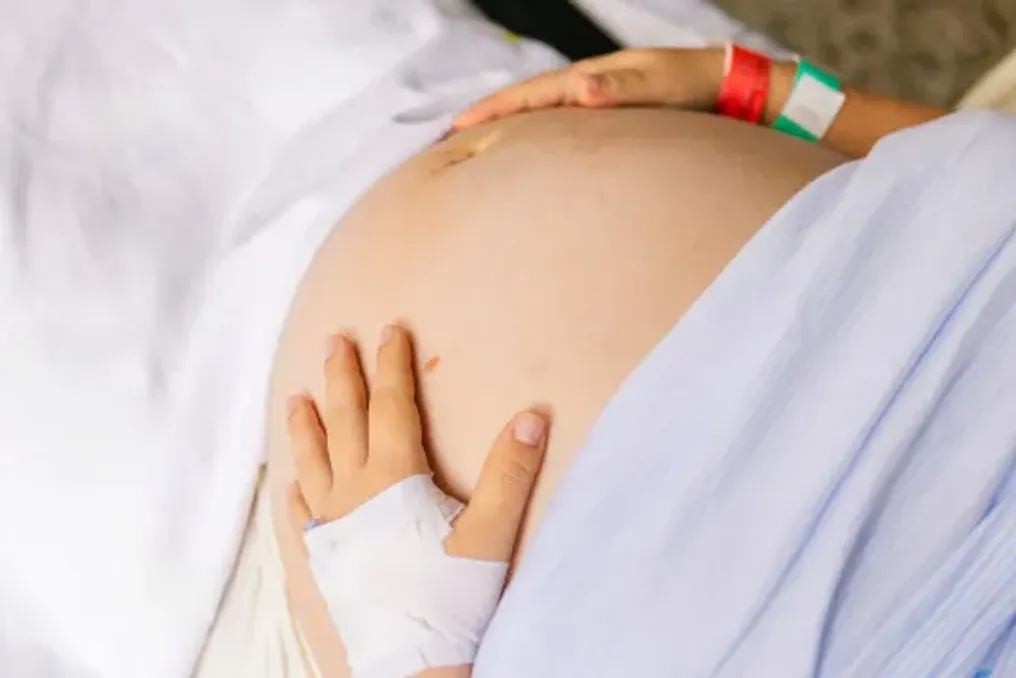
Last year in Queensland, Australia, a woman gave birth to twins from different fathers. The natural and unplanned pregnancy coincided with the in vitro fertilization (IVF) process as part of a gestational carrier agreement with another couple.
It is considered that this situation is so rare and unprecedented that it was not even provided for in the state's gestational carrier laws.
The woman, who remained anonymous in court documents, underwent a C-section in November 2025, and the children were born on the same day. There are no disputes regarding child custody; they are raised separately by each couple. However, the case went to court because the gestational carrier laws were designed to prohibit the separation of 'biological brothers' born through surrogacy, reports The Guardian.
The publication also noted that from the court's perspective, the children were 'gestational twins,' not 'biological brothers' according to the legal definition, which served as the basis for formalizing parenthood for each couple.
The couples, who met through mutual friends, entered into an 'altruistic' agreement. Since BNJ has a medical condition that resulted in her being born without a uterus, she could not become pregnant naturally with the partner identified in legal documents as DRJ. DZ, who already had five children with FZ, agreed to be the surrogate mother, and an embryo was transferred to him in April 2025.
Two weeks later, it was discovered that the woman was pregnant with twins. Subsequent examinations showed that the girl is the biological daughter of BNJ and DRJ, while the boy is the biological son of DZ and FZ, and he was 'conceived separately from the embryo implantation process and without medical assistance.'
Despite the fact that the couple did not have the 'intention to conceive' at that time, the court emphasized that 'this in no way means that the child is unloved or unwanted.'
In preparation for the trial, which was meant to confirm the parenthood of BNJ and DRJ, the couples hired an independent consultant. His report highlighted the 'potential importance of the fact that [the children] were born as twins, and that this connection will likely have long-term emotional and developmental significance for both, despite them being raised in different homes.'
The families stated that they wanted the children to 'know each other and be raised with an understanding appropriate to their age of their place in the extended family network.'
The document also indicated that 'the parties demonstrated a mutual understanding that openness and honesty regarding the origin and maternity [of the girl] would be in their best long-term interests.'
Due to the 'unique circumstances presented in this case,' the judge ruled that the boy and girl are not biological brothers.