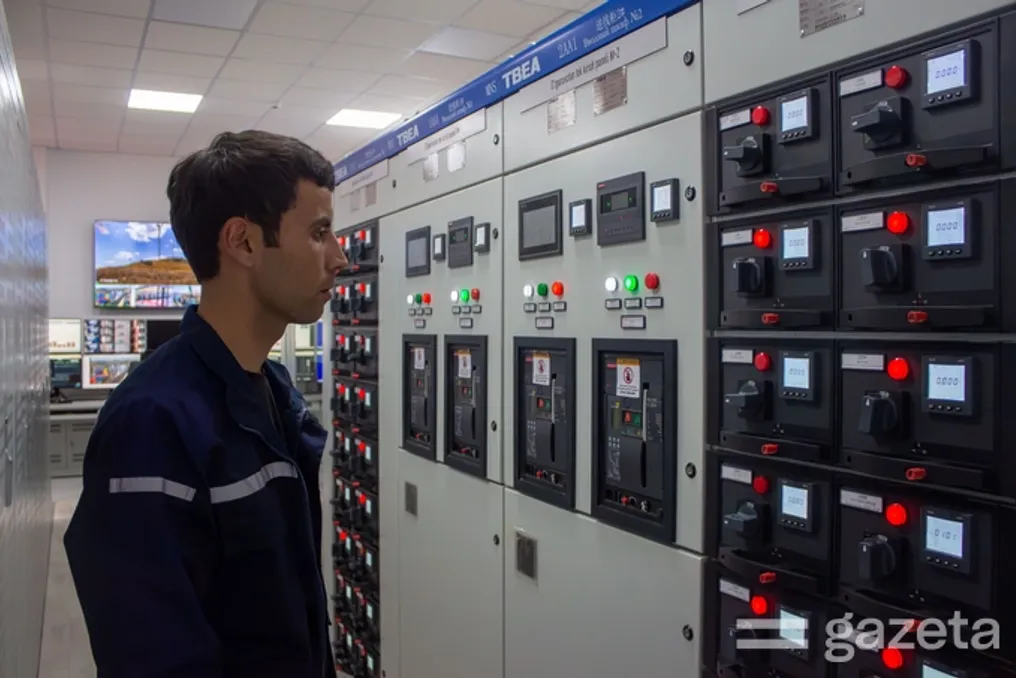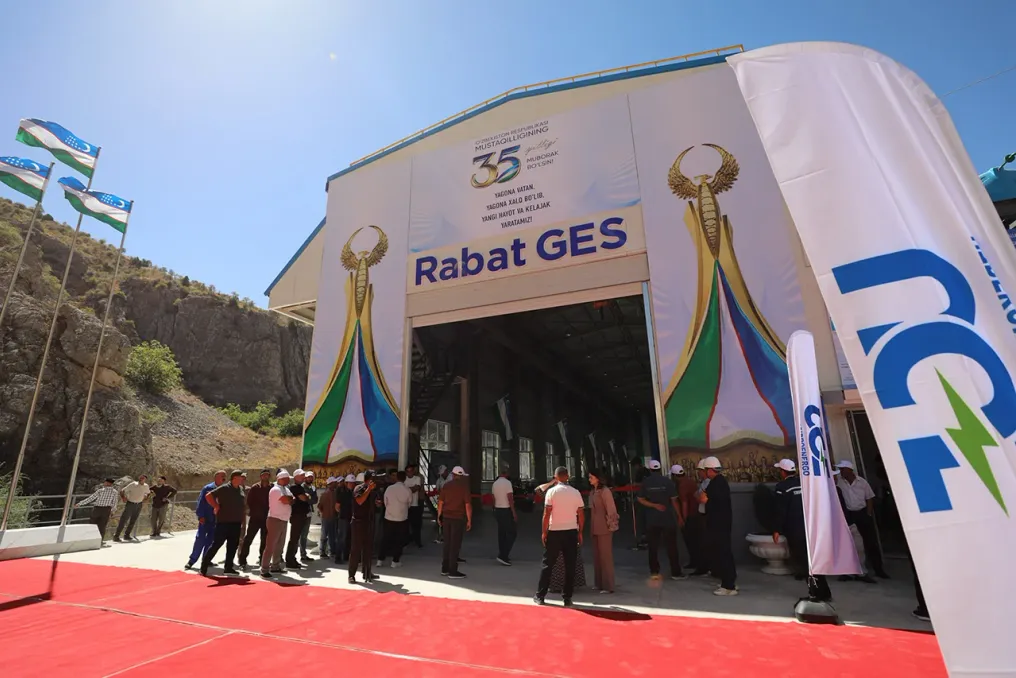
The six-megawatt Rabat hydroelectric power plant was officially commissioned in the Shahrisabz district of the Kashkadarya region on August 26. According to a statement from Uzbekhydroenergo, this station will annually produce an average of 26.2 million kWh of electricity, which will meet the needs of nearly 11 thousand households.
The opening ceremony gathered representatives of the Shahrisabz district administration, Uzbekhydroenergo employees, regional industry enterprises, contractors and construction companies, energy specialists, local activists, and media representatives.
The implementation of the Rabat project is aimed at increasing generation capacity, supporting the socio-economic development of the Shahrisabz district, and improving the living standards of the local population. It is expected that the operation of the station will allow for annual savings of 8 million cubic meters of natural gas and 6,700 tons of coal.
Furthermore, the functioning of the HPP should contribute to reducing harmful atmospheric emissions and increasing the share of renewable energy in the country's energy balance.
The construction of the Rabat hydroelectric power plant is carried out within the framework of Presidential Decree No. PP-163. The total investment in the Rabat, Chappasuy, and Tamshush hydropower projects in the Kashkadarya region amounts to 69.5 million US dollars, of which 20.4 million dollars has been allocated directly to the Rabat project.
As part of this same investment plan, the commissioning of two additional hydroelectric power plants—Chappasuy and Tamshush—is planned. Their launch is intended to expand the region's hydropower potential and increase electricity generation from renewable sources. Uzbekhydroenergo added that the development of new facilities is also aimed at increasing the efficiency of water resource utilization and ensuring a stable response to growing electricity demand.