South African Entrepreneur Turns Traditional Knowledge into Wellness Brand
Read more
Food For Mzansi
foodformzansi.co.za

South African Entrepreneur Turns Traditional Knowledge into Wellness Brand

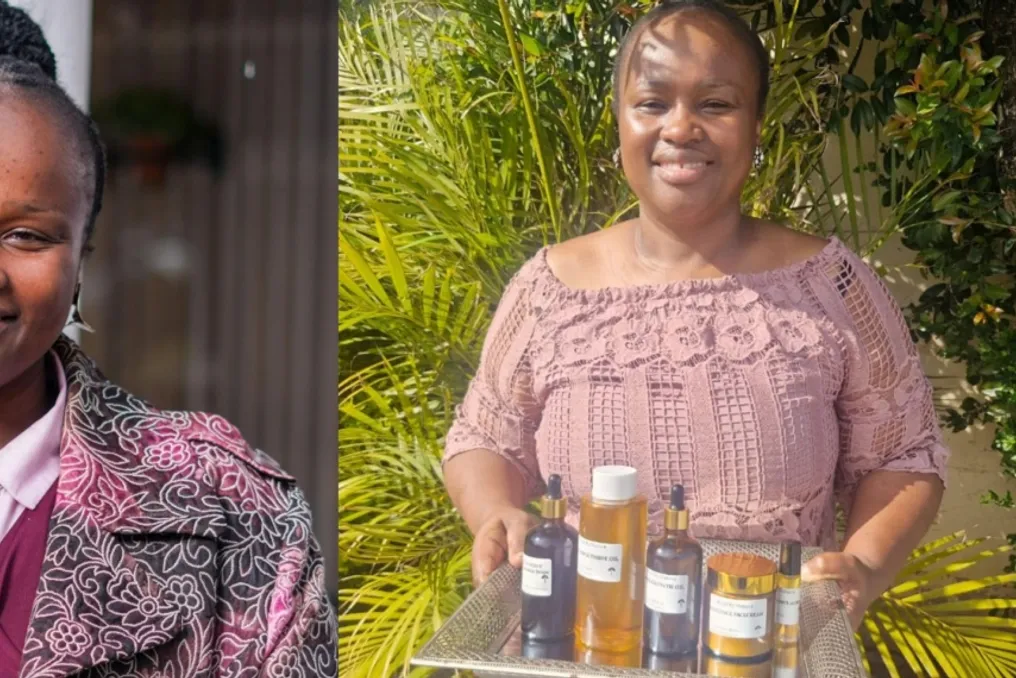
Nature has the ability to teach us long before we realize the process. For Nobathembu Mthembu, who grew up in Port St Johns in the Eastern Cape, observing seasonal changes fostered a strong interest in the natural world.

At the beginning of this year, her fascination with broader healing methods prompted her to create the brand Heal by Nature. This brand is dedicated to exploring how nature can help people care for and restore their bodies.

During her childhood, Mthembu was among women who deeply valued nature—whether cooking or passing down and applying traditional knowledge. Her grandmother, Nomamfengu Dwebha, laid the foundation for Mthembu's understanding that the gut is the body's 'second brain,' explaining the necessity of a healthy balance of good and bad bacteria.

These early impressions also sparked a love for biology in her. Although her mother, Nombuso Mthembu, a nurse, hoped her daughter would become a doctor, Mthembu saw her path differently. She enrolled at Fort-Heath University, where she earned a Bachelor of Social Sciences degree with a major specialization in Information Systems and Economics.

Confronted with numerous products on shelves containing unclear ingredients, Mthembu began to think more carefully about what she consumed internally and applied to her skin. In 2022, she moved to Johannesburg and attended several retreats. At one, 'Bliss and Stars,' she discovered natural skincare remedies that caught her attention. She learned where they sourced their components and started her entrepreneurial journey on a small scale.

Mthembu took short courses that helped her understand the basics of skincare formulations. She began experimenting in her kitchen, creating cosmetic and fermented products aimed at supporting gut health. Turning these experiments into a full-fledged business took time, but Heal by Nature was officially established in 2026.

Today, the brand offers an anti-aging oil containing four essential oils, including frankincense; a facial cream with niacinamide, hyaluronic acid, and shea butter; tithoe oil made from organic cold-pressed rose oil; and a hair oil with rosemary, tea tree, mint, and hibiscus. Other products include burning capsules made from burdock root, plantain, fennel, and ginger. She notes that the ingredients are prepared as tinctures and steeped in vodka for four to six weeks.

For Mthembu, this business is also about encouraging people to rethink their eating habits. She emphasizes that the goal is not to punish the body, but to nourish it. Mthembu sources her ingredients from Isivuno Naturals, whose products have been tested. Her approach begins with returning to whole, nutrient-rich foods. She advises increasing fiber intake, drinking enough water, exercising, maintaining healthy digestion and regular bowel movements, and reducing ultra-processed foods and excessive added sugar.

Self-sufficiency is important to Mthembu because it provides independence, security, and confidence. She believes that growing one's own food, acquiring practical skills, earning income, and using resources wisely make people less dependent on others and better prepared for the future.

This philosophy also defines her approach to nutrition. Mthembu focuses on fermented foods, which can contain probiotics or beneficial bacteria that support a healthy gut microbiome. She sees the development of Heal by Nature extending beyond just selling products, aiming to offer a wider range of services in natural wellness and education. Her plans include hosting wellness retreats, natural wellness courses, and DIY skincare workshops, as well as teaching people about herbs, fermentation, gut-friendly food, food preservation, and growing their own herbs and vegetables.

A significant part of her client base is formed through word-of-mouth. She shares her work and products through existing social networks, which often sparks questions and interest from people, especially when she explains the purpose of the products. Furthermore, she hopes to organize herbal tea sessions, women's health days, and structured seminars within her Herbal Glow Coach program. Ultimately, Mthembu aims to establish her own wellness center and farm retreat where people can attend weekend events and gain access to courses, products, and wellness kits.
Similar stories

Former Nurse Xolelwa Koncoshe Leads Agroecological Revolution in Ncera Village
Read more
foodformzansi.co.za

Former Nurse Xolelwa Koncoshe Leads Agroecological Revolution in Ncera Village

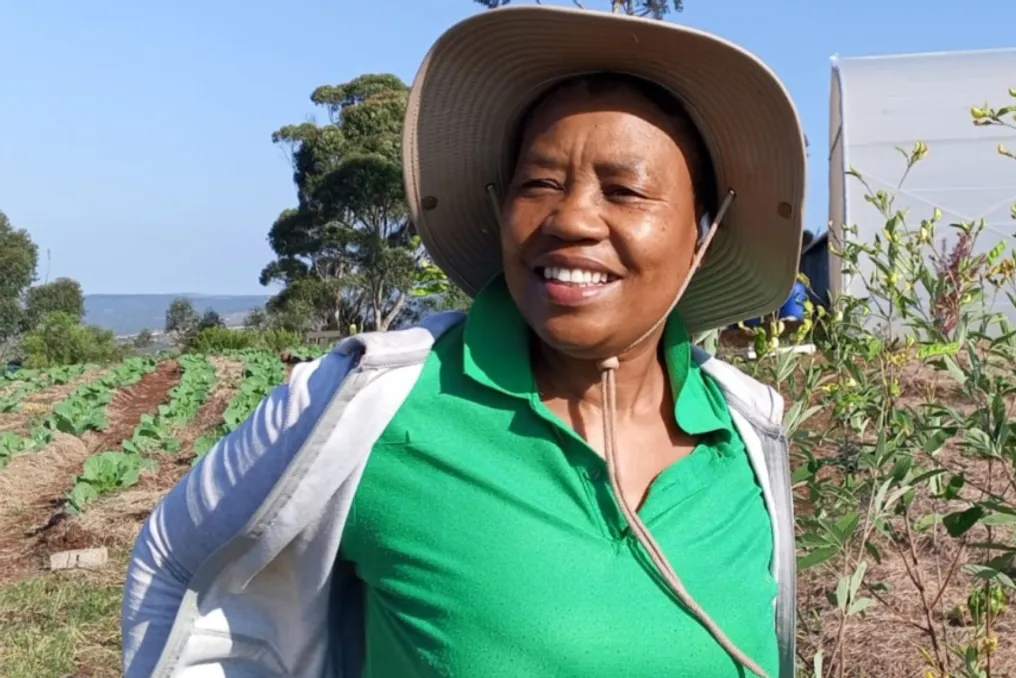
Xolelwa Koncoshe is leading a food revolution in the village of Ncera, located in the Eastern Cape. By utilizing agroecology principles, establishing a community seed library and a five-hectare food hub, she helps local farmers develop climate-resilient and self-sufficient businesses.

Koncoshe is the founder and director of the Senjenje Multipurpose Cooperative, which manages production at the food hub, and also the founder of the Ncera Information Resource Centre. Furthermore, she co-founded the Ncera Small Scale Farmers Foundation, whose members work to increase yields and strengthen their businesses.

Her journey into agroecology began with her grandmother, Nomphunzi Koncoshe, who provided most of the family's food. Born in Mdantsane in Gugompho, Koncoshe spent her early years in the village of Mthlabathi, but in 2013, her family moved to Ncera village.

Her grandparents grew vegetables, maize, and wheat. Koncoshe recalls: 'I still remember the smell of fresh bread baked by my grandmother in a charcoal oven.' She notes that her grandmother's garden was green year-round, and she never saw her grandmother buy seedlings.

The family also kept livestock—cattle, goats, chickens, and pigs, so buying meat was rare. She remembers asking her mother how such large pig farming could feed the family without a refrigerator. Her mother explained that when one family slaughtered an animal, they shared the meat with the entire extended family. Koncoshe emphasizes: 'Food was never just for one family; it was something that united the community.'

After finishing school in 1993, Koncoshe spent a year studying knitting and started a small knitting business, gaining early business experience. In 1995, she enrolled at Fort Hare University to obtain a Bachelor of Medicine degree, receiving a full Usaid scholarship. After nearly two decades working as a nurse, she took a career break in June 2018 and returned home to Ncera village, where she began farming.

Although she returned to work that year, two years later, during the Covid-19 quarantine, she made Ncera her permanent home. Koncoshe first met farmers practicing agroecology while participating in a program held at a rural school. A visit to a farmer in Quzini village in Qonce changed her view of agriculture. She recounted: 'It was about 34°C, but despite the heat, the farmer's garden was green and healthy.'

She explains how she learned that healthy soil helps the ground retain moisture and protects crops during harsh weather. Inspired by this, she returned home to experiment with raised beds. One neighbor joked that she was digging graves. Later, heavy rains washed away her first attempt. As she mastered agroecology, she did not give up and joined a WhatsApp group where farmers offered advice. During the Covid-19 quarantine, she dedicated herself fully to agroecology, and her garden began to thrive. She implemented rainwater harvesting, which the same neighbor eventually adopted.

Koncoshe volunteered with the Isithembiso Multipurpose Organization, handling administrative work and compliance. In 2021, the organization received funding to set up a five-hectare plot. The abandoned farmstead was transformed into the Ncera Information Resource Centre, equipped with a community seed library. The plot features a solar borehole, fencing, a greenhouse, and a biogas digester.

'The biogas digester produces clean cooking gas and nutrient-rich liquid fertilizer, while vermicompost and grasses grown for green manure are part of the agroecological system.' Today, the food hub grows tomatoes, spinach, carrots, cucumbers, cauliflower, broccoli, peppers, cucumbers, radishes, lettuce, beans, maize, beets, sweet potatoes, onions, pumpkins, and watermelons, as well as herbs. The site includes a fruit forest with over 200 fruit and indigenous trees, including banana, peach, lemon, and mangosteen, which supply produce to the Boxer store in Duncan village.

'Diversification is intentional,' she explains, stating that they grow different crops for both consumption and the local market, and others are used as traps for natural pest control.

One of Koncoshe's most significant achievements was the recognition of her prior learning through a program offered by Tardi College in collaboration with AgriSETA. She encouraged farmers in her network to apply, resulting in 13 producers receiving official agricultural qualifications.

In 2025, she participated in a farmer exchange program in Zimbabwe organized by the Agroecology Action Collective. She spent a week in Shashe village, a center of excellence. She noted: 'What can I say, farmers practicing agroecology in Zimbabwe are well-organized; they save seeds, grow food, and process it.'

Her plot practices agroecology through seed banks, food banks, aquaculture, and livestock, allowing them to produce most of their necessary products independently. Koncoshe plans to expand the food hub's capacity for product processing and reducing post-harvest losses. She believes success will come when the food hub can provide horticultural farms with agro-processing opportunities to reduce household-level losses. For Koncoshe, success means a self-sufficient farm whose fertilization program is internal, producing compost and liquid fertilizer, and contributes to soil health for production.

Popular