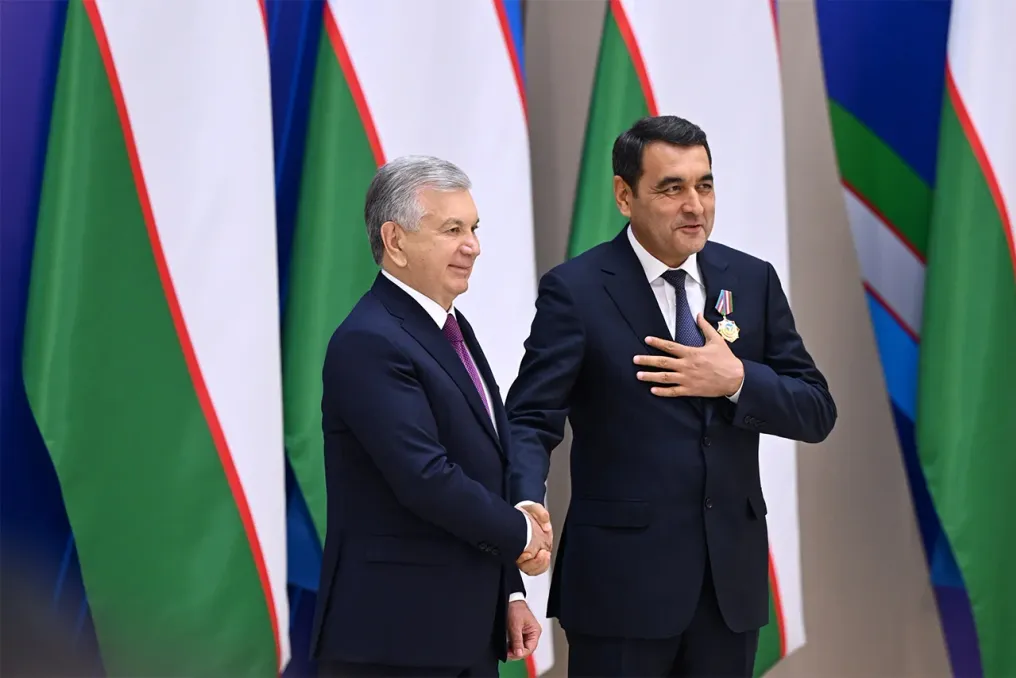
The Fergana Region plans to increase the annual investment volume from $2.7 billion to $4.5 billion by the end of 2026, with a particular focus on high value-added projects. The region's governor, Khayrullo Bozorov, announced this goal during the opening ceremony of new facilities, which was attended by President Shavkat Mirziyoyev on August 25, 2026.
Bozorov noted that investors from 35 countries operate in the region. Specifically, Saudi Arabia has begun implementing projects under direct presidential directives, while companies from Turkey, Japan, Europe, and the United States are also expanding their activities.
The regional leadership has adjusted its capital attraction strategy, opting to reject any investment proposals in favor of focusing on project quality and creating local value. Bozorov emphasized the need to create conditions for cluster development, telling investors that ready-made, high value-added projects are required.
As an example of the new approach, the governor mentioned a $30 million project by Hansae Mobility from South Korea. This facility will be implemented in two stages and is intended for producing automotive components for General Motors, replacing imports currently valued at $40 million annually.
In the Dangar district, a production complex for modern building materials worth $170 million is under development. The first stage of this project, which received initial investment of $20 million, has already started, with another $150 million allocated for the two subsequent stages.
The new facilities were part of a nationwide series of project launches held on August 25, 2026, on the eve of Uzbekistan's 35th Independence Day. As part of this event, 72 major industrial and service initiatives, as well as 91 social sector projects, were commissioned.
Commenting on the development of Fergana, President Shavkat Mirziyoyev drew attention to structural changes in the region's districts and shifts in local attitudes. The President stated that growing public expectations reflect a broader civic awakening, which requires the regional administration to constantly adapt to these rising demands.