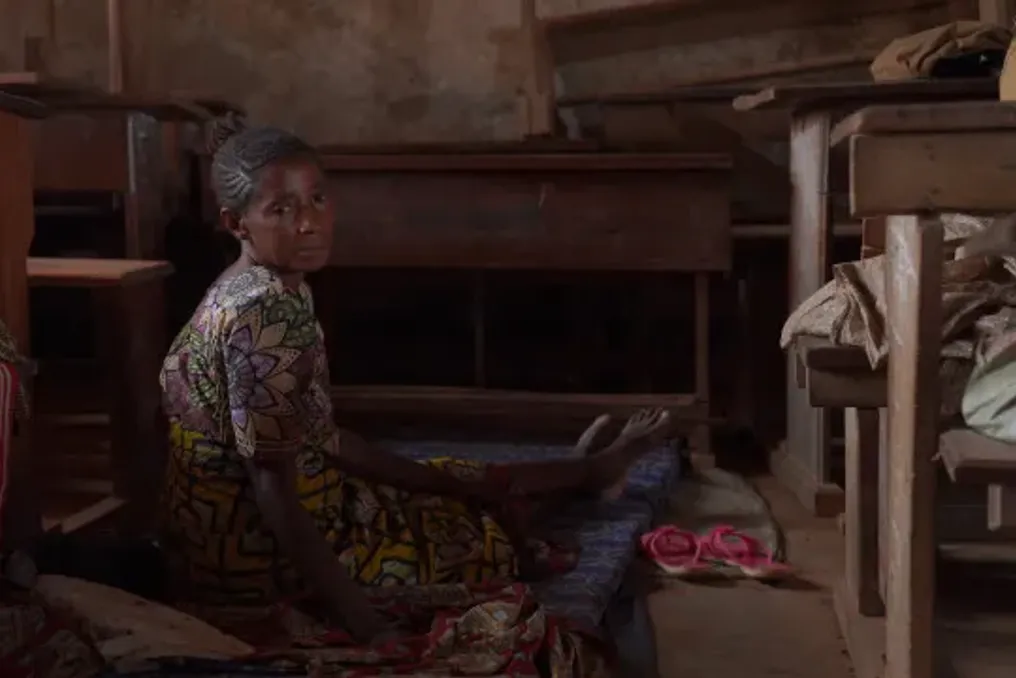
The Congolese National Institute of Public Health (INSP) reported that combating the Ebola epidemic faces significant obstacles, such as limited accommodation capacity and a lack of Ebola treatment centers in certain health units. Furthermore, control and entry posts are functioning inadequately in affected areas, attributed to the demotivation of local agents due to non-receipt of remuneration.
Authorities in the DRC issued an alert regarding the deficient monitoring of contacts of confirmed cases, especially in the Bas-Uélé (North) province, due to the lack of specialized teams to carry out these activities.
According to the latest INSP report, 5,713 confirmed cases and 2,744 Ebola-related deaths have been recorded, resulting in a mortality rate of 48%. The tracing rate remains at 84.6%, falling short of the established target of 85%. In the current scenario, 1,269 individuals have recovered from the disease, while 770 remain in isolation or hospitalized in treatment centers.
The spread of the virus is not limited to Bas-Uélé; it has reached five other provinces: Ituri, considered the epicenter of the epidemic in the east; Tshopo, located in the north-central region; Haut-Uélé; North Kivu; and South Kivu (east), although the latter has not registered new confirmed cases for over 80 days.
Last Friday, the African country received the first 16,520 doses of the Ervebo vaccine. This vaccine was initially developed against the Zaire variant of Ebola but showed signs of potential efficacy against the Bundibugyo variant in animal studies, which is responsible for the current epidemic.
Although there are currently no specific therapies for this variant, the World Health Organization (WHO) announced that two other vaccines aimed at combating the Bundibugyo strain are in Phase 1 clinical trials in humans and have been deemed safe, despite their development potentially requiring several months.
This epidemic is the second deadliest in history, surpassing the outbreak that occurred in the same Congolese region between 2018 and 2020. However, it has not yet reached the maximum severity recorded, which caused approximately 11 thousand deaths and 28 thousand infections in West Africa during the period of 2014 to 2016.
After being notified in the Ituri province (East), the epidemic spread to Uganda. There, the WHO declared the end of the outbreak on Wednesday, after counting 20 confirmed infections, 15 of which were classified as imported from the DRC, of which two people died.
The Ebola virus is transmitted through direct contact with the body fluids of infected people or animals and causes severe hemorrhagic fever, vomiting, diarrhea, and internal bleeding.