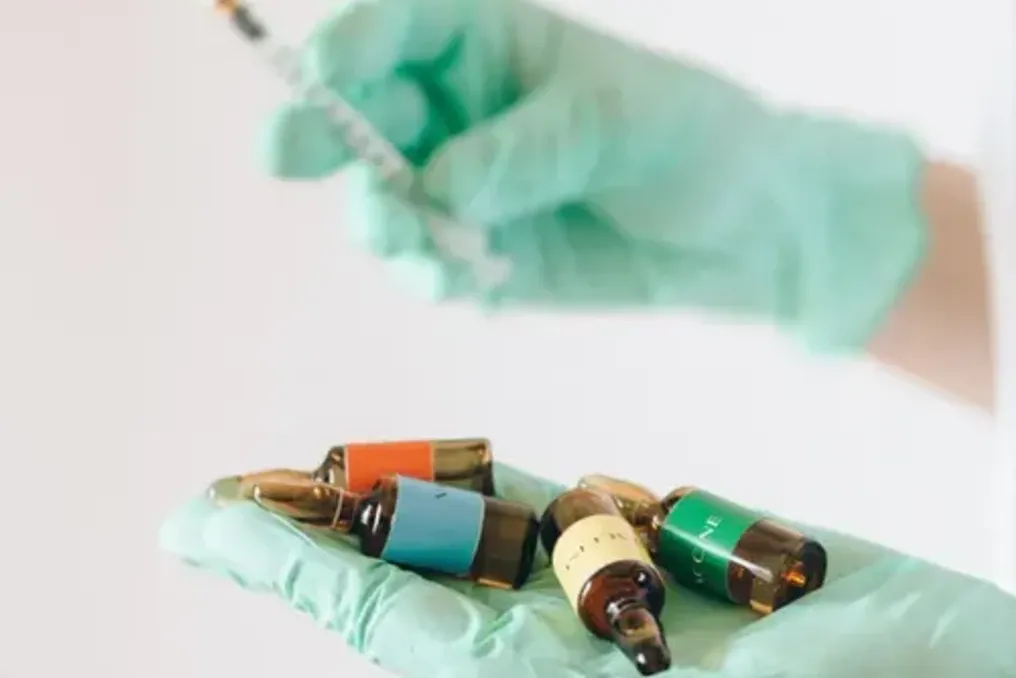
The Senegalese pharmaceutical company Teranga Pharma has started producing Drepaf—a local generic of hydroxyurea. This marks the first instance of manufacturing this essential drug for treating sickle cell disease on African soil. These tablets, available in 500 mg and 100 mg dosages, were quietly introduced in November 2025, but their significance extends far beyond a mere achievement.
Sickle cell disease in Africa is not a rare disorder but a serious public health crisis. According to WHO's Africa region estimates, over 300,000 infants are born annually with severe forms of sickle cell and related blood disorders. Researchers focusing solely on Sub-Saharan Africa place this figure closer to 400,000 infants per year. Nigeria and the Democratic Republic of Congo bear the greatest burden.
Without timely treatment, nearly half of African children born with this condition do not survive past their tenth birthday, often dying unnoticed in homes and clinics lacking the means for diagnosis. Teranga Pharma's achievement is viewed not as a corporate press release but as a correction of a historical error. As CEO Mouhamadou Sow noted, doctors have long had to treat the consequences of the disease rather than its root cause because the only proven drug that reduces pain crises, the need for transfusions, and mortality was never reliably accessible. Drepaf changes the starting point of this equation.
Through local production, Teranga Pharma eliminates transportation delays, currency fluctuations, and import markups that turned hydroxyurea into a luxury item for many Senegalese families instead of a routine medication.
Why This Is Bigger Than It Looks
When comparing the situation to treatment in wealthier countries, it is worth mentioning that two gene therapies for sickle cell disease—Casgevy and Lyfgenia—were approved in the United States at the end of 2023. They gained global recognition as scientific breakthroughs capable of functionally curing the condition. However, they cost $2.2 million and $3.1 million per patient, respectively. These amounts are so far removed from the economic reality of most patients with sickle cell disease, especially in Africa, that they exist more as a concept than a public health tool. Even in one of the world's wealthiest economies, the adoption of these methods has been slow due to cost and the need for intensive hospital infrastructure.
Drepaf will never replace gene editing as a cure. But it does what gene therapy cannot yet do on a large scale: it reaches people. A daily, inexpensive tablet designed for the budget of a Senegalese household, not the ceiling of American insurance, is the difference between a treatment that exists in theory and one that a family can actually provide their child every morning. This is a quiet, yet more radical form of medical progress—not the most dramatic breakthrough, but the most applicable.
Sovereignty, Not Just Supply
There is a deeper aspect to this story concerning who decides how Africa treats its diseases. For a long time, access to hydroxyurea depended on decisions made in pharmaceutical councils thousands of miles away. Local production changes this dynamic: dosages, packaging, and patient information can now be adapted to how doctors and families actually use the medicine in Senegal, rather than simply being modified from a foreign product. This is a small but significant assertion of health sovereignty that resonates with broader efforts on the continent, including vaccine production in Rwanda and South Africa, and the production of antiretroviral generics. It helps shift the perception of local pharmaceutical potential from a luxury to an infrastructure.
None of this negates the scale of the problem. One factory in Dakar cannot serve an entire continent where hundreds of thousands of children are born with this disease each year, and screening, diagnosis, and specialized care remain severely underfunded almost everywhere. Nevertheless, Drepaf proves that solving the sickle cell crisis in Africa does not have to wait for a multi-million dollar drug imported from abroad. Sometimes progress looks not like a laboratory miracle, but like a home-produced pill that a person can actually afford.