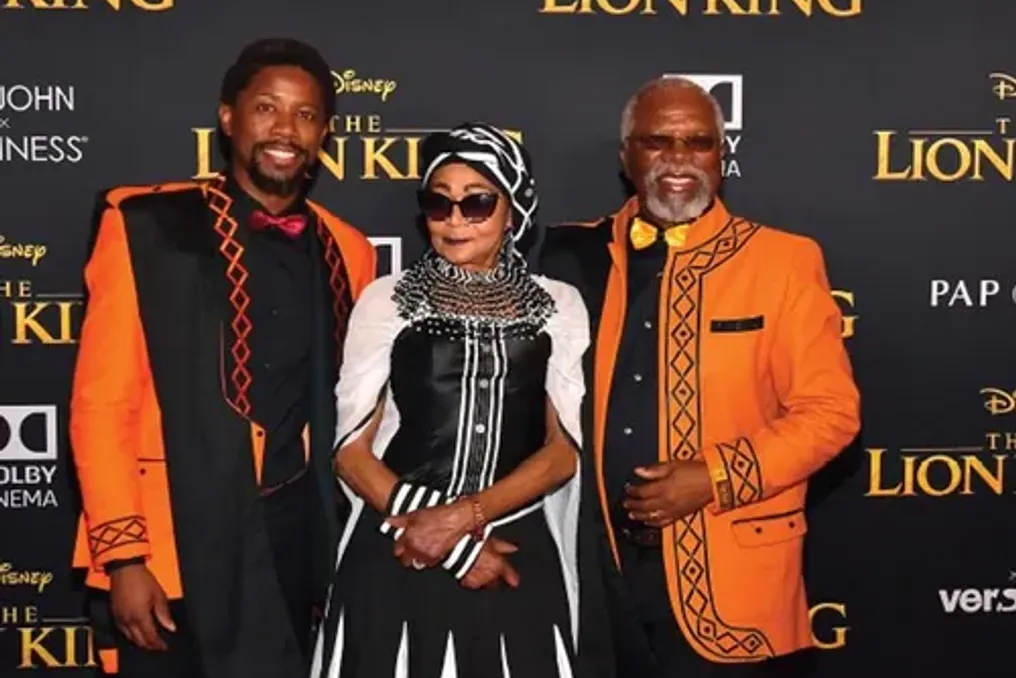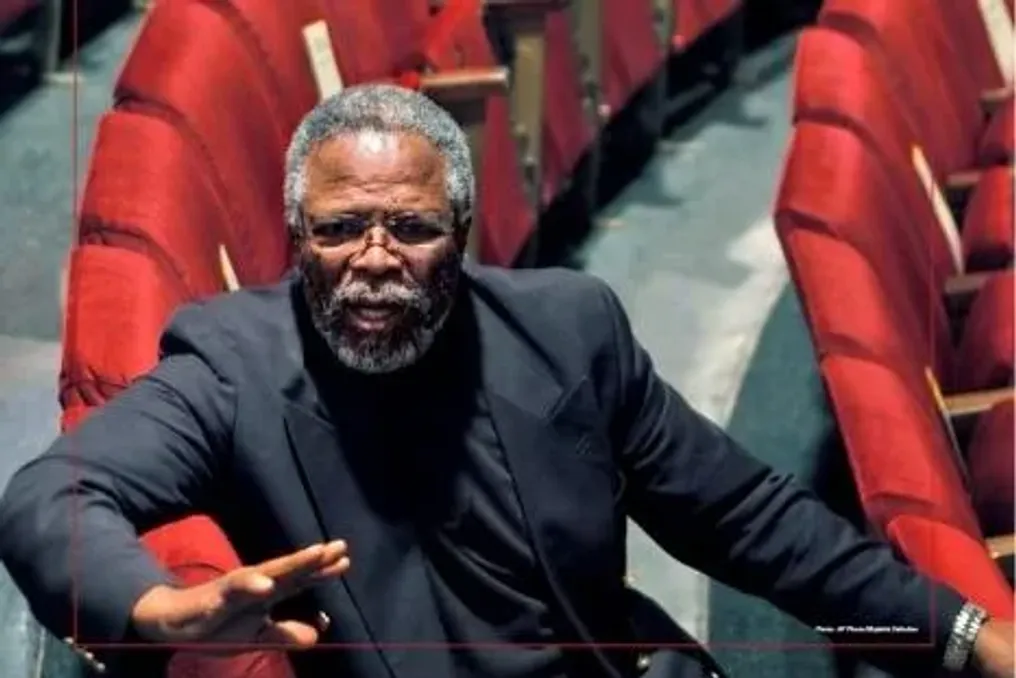
The Apartheid Museum is organizing a special exhibition dedicated to the contribution of actor Dr. John Kani to the arts. This exposition highlights key moments of his career on stage and screen, which over six decades led him from rehearsal rooms in Port Elizabeth to Hollywood studios.
For more than twenty-five years, Kani helped shape the museum's direction by serving as chairman of the board. Simultaneously, he developed as a playwright, beginning to raise important questions about the shortcomings of democracy and reconciliation in an unequal society.
The exhibition opens tomorrow and features a collection of images, texts, artifacts, and film materials demonstrating the ideas that occupied Kani both on and off stage, shaping his vision.
John Kani was born in New Brighton, Gqeberha, in 1943. He began acting in high school, but his approach to the art form changed radically after meeting the Serpent Players group in 1965.
This amateur group was founded in New Brighton in the early 1960s and soon began collaborating with playwright Athol Fugard. Fugard highly praised this group, calling it 'the only significant provocation and stimulus I encountered in South Africa.'
After the arrest of his fellow actor Norman Ntshingi in 1965, the group began moving away from classical works and increasingly creating theatre based on their own experiences. The arrest of this actor influenced Kani, Winston Ntsoane, and Fugard when they worked on their play 'Island' just weeks before traveling to England in 1973.
The historic run of this production in subsequent years brought Kani and Ntsoane international fame, making them cornerstones of what became known as protest theatre.
During a period of change, Kani held leadership administrative positions in various cultural institutions, notably at the Market Theatre Lab and the National Arts Council, where he served as chairman from 1996 to 2004. His current work at the museum reflects his belief that nurturing a vision for a prosperous post-apartheid South Africa requires unwavering vigilance and commitment.
Kani has established himself as an exemplary figure in creating structures to empower actors at all levels and in all disciplines. In 2004, he told Robert Woodriff, director of the American Repertory Theater: 'We need to create vibrant industries of film, television, and theatre so that we do not look to Hollywood as the sole solution to our dreams and the only way to tell our stories.'
The exhibition honors a person who, sometimes at great personal cost, gave performing arts a chance to speak about the present moment. The exposition will run until November 30.