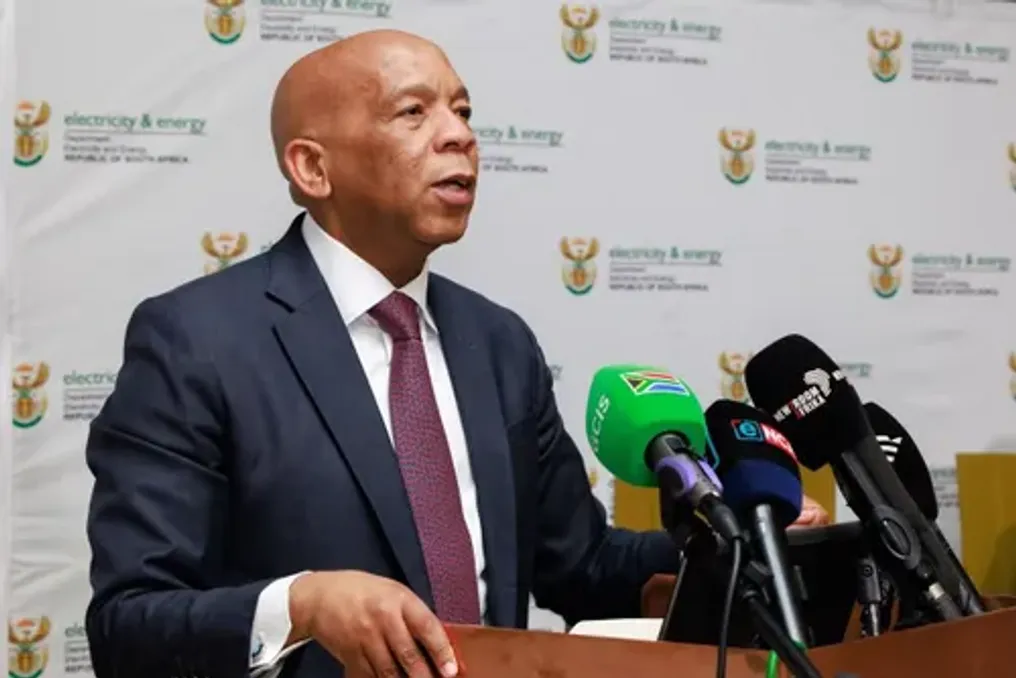
The South African Minister of Energy and Electricity, Kgosiyenso Ramkgoppa, presented the Revised Electricity Pricing Policy. This policy proposes modifying the structure and regulation of electricity tariffs, which could significantly change how South African households approach utility payments.
The proposed changes prioritize affordability and conditions for low-income consumers. The policy was presented by Ramkgoppa on Tuesday, August 18, after the Cabinet approved its publication for public consultation in July. This document updates the framework established in 2008 and makes adjustments to the electricity tariffing and regulation system.
The proposals include separating electricity costs into stages: generation, transmission, distribution, and retail. Furthermore, there are plans to strengthen the regulation of prices, tariffs, and fees. The government asserts that these measures aim to increase transparency and prevent undue burdens on consumers caused by inefficiencies in the energy system.
Ramkgoppa noted that electricity prices have risen by more than 900% since 2007, while the inflation rate over the same period increased by approximately 150%. Speaking about the proposed reforms, he emphasized the importance of addressing the cost of electricity.
The policy also includes support measures for vulnerable populations, specifically increasing the volume of free basic electricity for eligible needy households. However, energy analyst Chris Yelland questioned the financing mechanism for this expanded benefit and whether greater tariff transparency will necessarily lead to lower consumer prices.
Yelland believes that separating tariff components will provide greater clarity but will not inherently reduce the overall cost. He questions whether the proposed reforms will alter the fundamental cost of electricity.
Energy expert Professor Wally Padayachii offered a more optimistic assessment of the changes. He pointed out that historically, inefficiencies in the energy system were reflected in the prices paid by end-users. Padayachii stated that technical and non-technical losses are linked to inefficiencies in Eskom and municipalities, which has traditionally been passed on to the final consumer.
He predicts that if this policy is implemented comprehensively, prices may decrease. The proposed policy will also provide greater predictability for future electricity costs, as the South African National Energy Regulator must publish a 10-year electricity price forecast. The government believes this will give more confidence to consumers, businesses, and investors when planning.
Another proposed change concerns accounting for costs related to power losses and unpaid municipal debts. Ramkgoppa stressed that paying consumers should not bear the costs of those who do not pay. He clarified that the current tariff covers from 1% to 2.5% of Eskom's inability to collect debts, but this is unacceptable under the new policy.
These reforms come amid municipalities and electricity distributors continuing to face financial difficulties, energy losses, and unpaid debts. The Cabinet also announced that the revised policy aims to consolidate the regulatory framework across the entire electricity value chain and align pricing with market changes, including the separation of Eskom and the implementation of the Electricity Regulation Amendment Act. Currently, the policy remains a proposal and is in the public comment stage.