The second match in the series between the Springboks and the All Blacks, which will take place in Cape Town, requires Springboks vice-captain Hendre Pollard to take charge of the attack to prevent further falling behind.
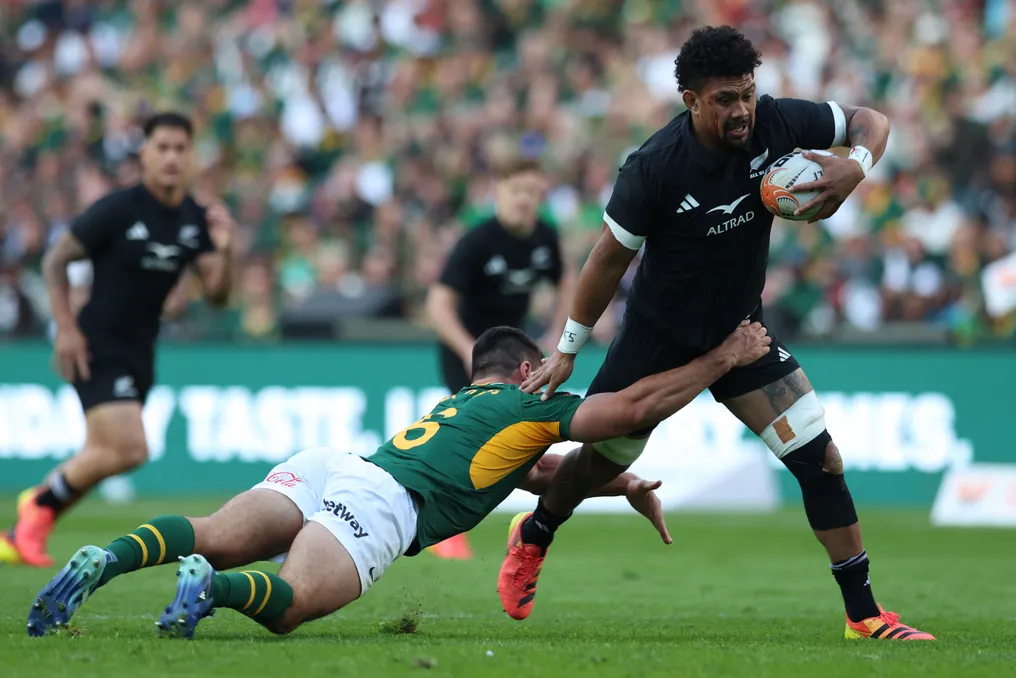
Although the Springboks rarely make serious errors in series matches after the last Rugby World Cup, when it did happen, the situation looked extremely unfavorable. During the second half of the game at Ellis Park, the Springboks' system collapsed not due to lack of physical effort, but because of a critical loss of tactical control caused by a number of factors, including changes in the backline, injuries, and unintentional mistakes.
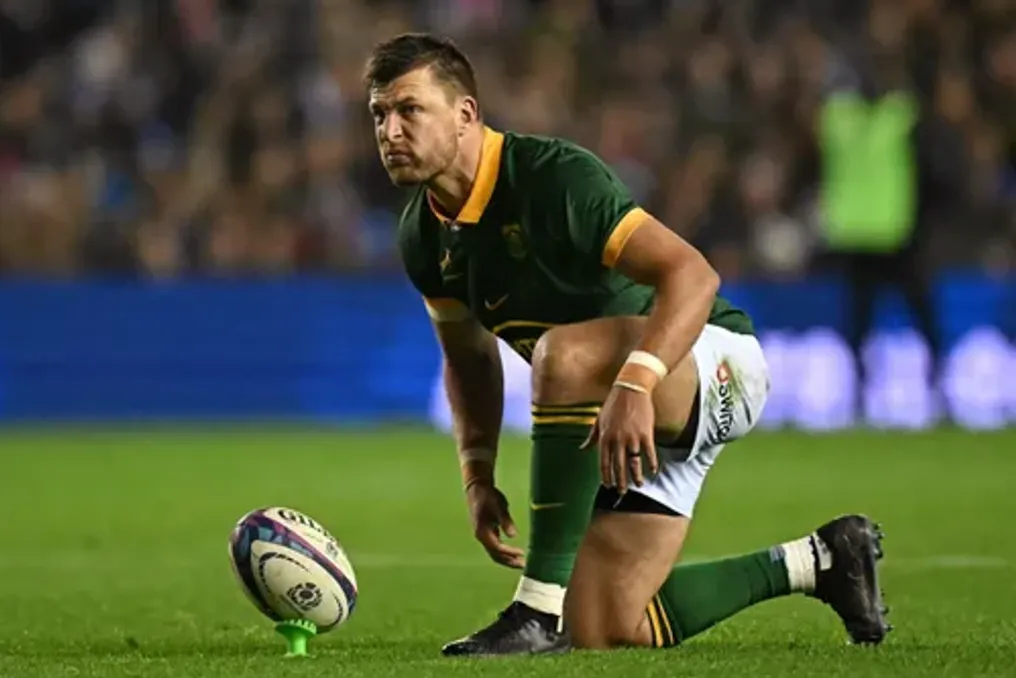
Since the second match, which will be held at the DHL Stadium in Cape Town, is essential for a victory, all attention will be focused on vice-captain Hendre Pollard, who must take control and restore order to the Springboks' game.
Similarity to the Loss in Auckland
The chaotic play in Johannesburg bore a clear resemblance to the team's loss in Auckland last year. At that time, Pollard showed inconsistent play, being influenced by a game plan that failed early in the match. It was Pollard's inaccurate pass that allowed the All Blacks to get into the Boks' penalty area, after which they scored in the third minute from a lineout. After this, the Springboks were forced to play catch-up.
As in Auckland, the Springboks harmed themselves in Johannesburg: they rushed execution, made desperate carries in contact, and refused to show the patience that is usually the basis of their playing style.
Reasons for Errors at Ellis Park
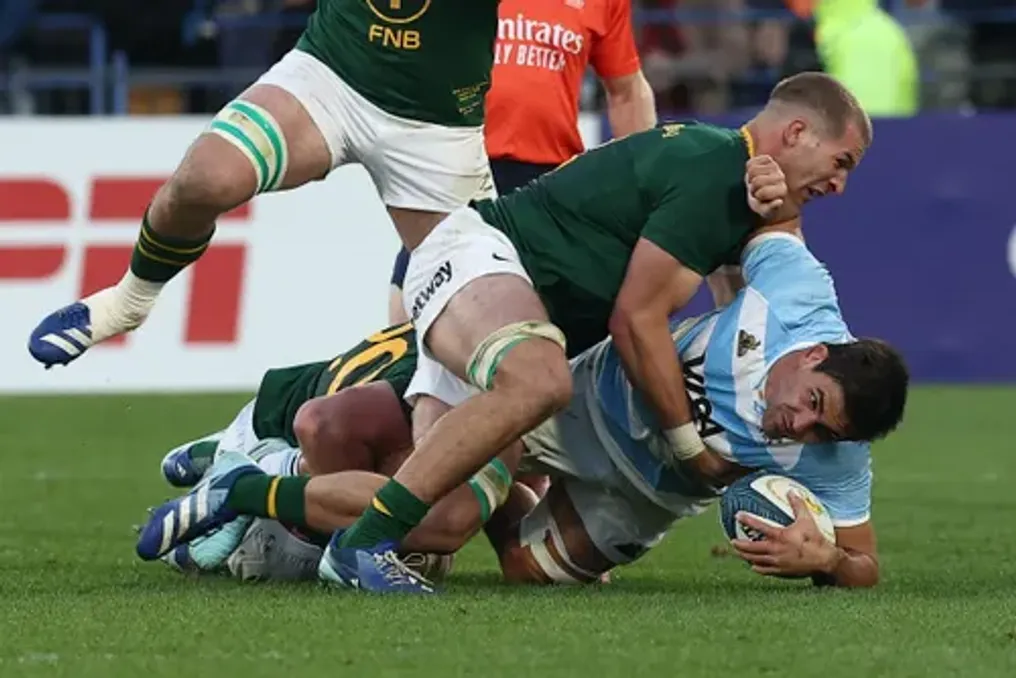
Most of the problems that arose at Ellis Park were related to young Siya Feinberg-Mngomezulu, but it would be unfair to lay all the blame on this playmaker. The execution errors ran deeper, as the Springboks' defensive line repeatedly made careless passes from deep in the field. Instead of building continuous phases and forcing the All Blacks to make tackles before attacking, the forwards tried to rush the pass, giving New Zealand exactly the transition chaos they are good at exploiting.
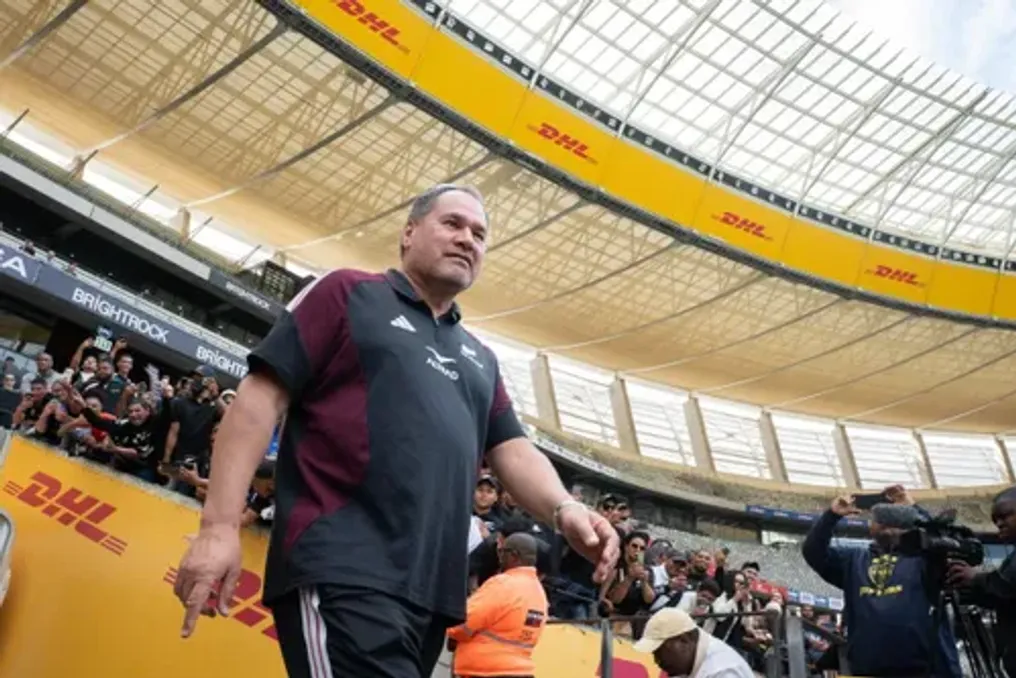
Pollard has been tasked with leadership for the upcoming Saturday, and coach Rassie Erasmus supports his leadership qualities and ability to manage the game in the expected rainy match in Cape Town. Although Feinberg-Mngomezulu possesses undeniable talent and explosive instinct, which will be vital for finishing the match on Saturday, Pollard has rich experience, having won two Rugby World Cup titles.
There is hope that he can bring authority and calm to dictate the pace of the game and guide his defensive line against the All Blacks, who have returned to their experienced style of play. When the Springboks are in top form, their dominance in the center of the field is based not just on brute strength, but on relentless, disciplined pressure. Pollard understands best how to turn this central power into territorial advantage and scoring pressure.
He knows when to drive the All Blacks deep into their own half with tactical kicks, and when to slow down the attack to free up his heavy runners along the gainline. Against the confident New Zealand team following their attack in Johannesburg, the Springboks cannot afford another frantic, error-filled game. If South Africa wants to level the series in Cape Town, Pollard must take full control from the first whistle. He needs to calm the situation, correct the setup, and ensure that the huge work of the Springboks' defensive line is converted into points, not lost possession.