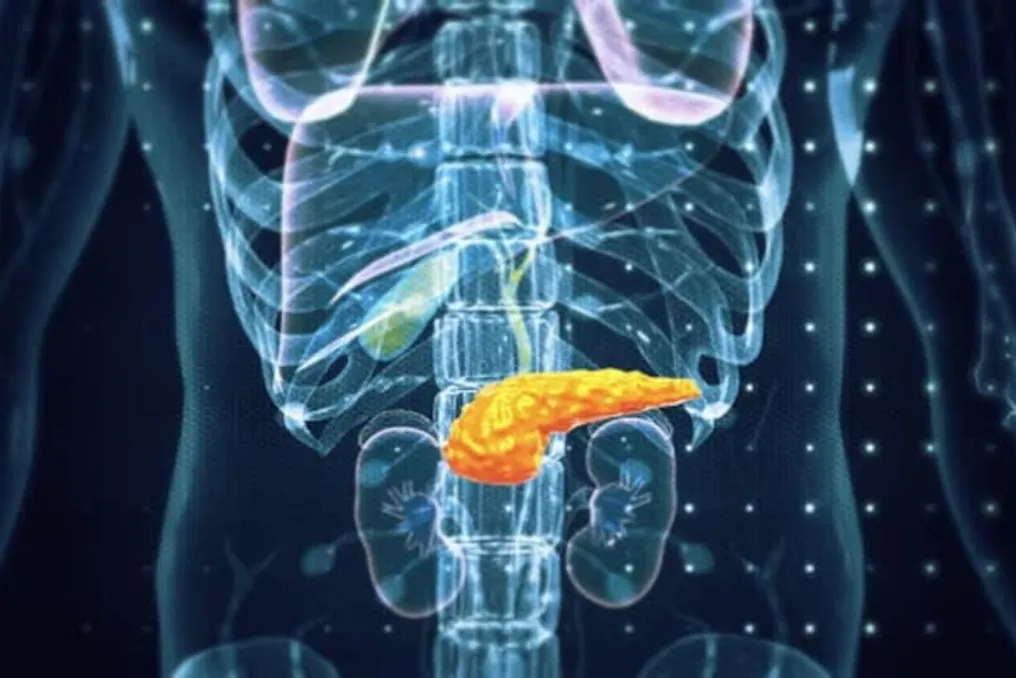
Cancer affecting the pancreas is known as pancreatic cancer. Most cases of this disease are discovered at late stages, making patient survival extremely difficult. However, the appearance of a new drug offers hope to patients.
The U.S. Food and Drug Administration (FDA) has granted approval for the use of the new drug Rasonk to treat metastatic pancreatic cancer, meaning cancer that has spread to other parts of the body. This drug is specifically intended for patients who have already undergone treatment or cannot take standard chemotherapy for any reason.
A key feature is that it can be taken only once a day in tablet form. The drug underwent clinical trials where it demonstrated high efficacy, contributing to an increase in the life expectancy of patients with pancreatic cancer. Although this remedy is not a complete cure for cancer, it can reduce the risk of death from this disease.
The results of large clinical trials preceding the drug's approval were very encouraging. Patients with advanced-stage pancreatic cancer showed improved survival rates. For some patients, the benefit from the treatment was almost double compared to previously used methods. Nevertheless, this does not mean that the drug completely eliminates cancer. The advantage lies in its ability to extend life and alleviate symptoms in patients whose pancreatic cancer has spread to other organs.
In many cases of pancreatic cancer, a change or mutation in a gene called KRAS is found. These changes can promote the rapid growth and spread of cancer cells throughout the body. The new drug was designed to target precisely this pathway that causes cancer. This is why it is considered a significant step forward in the treatment of pancreatic cancer.
FDA approval does not imply that any patient with pancreatic cancer can take this tablet. A doctor will determine the suitability of the drug for a specific patient based on the stage of the cancer, previous treatment, genetic analysis of the tumor, and overall health condition.