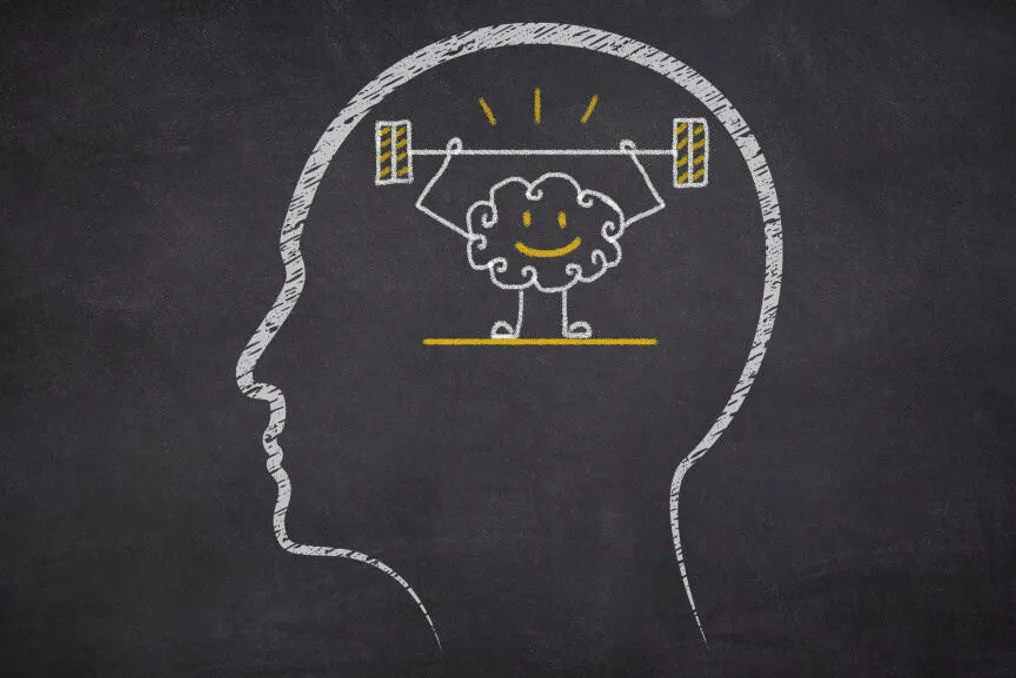
Dedicating a few minutes daily to solve Sudoku, play Solitaire, or decipher a map in Battleship is a common habit that serves both as a break from routine and as a mental stimulant that keeps attention sharp.
It is important to emphasize that these challenges do not offer a magical protection against conditions such as Alzheimer's. However, they are capable of activating specific brain circuits, releasing crucial chemicals, and aiding in the building of cognitive reserve.
Contrary to what one might think, solving a puzzle does not exercise the brain completely; the effect manifests in the neural circuits activated by each type of activity. During engagement, subtle changes occur in gray matter, resulting in the release of neurotransmitters such as dopamine, associated with motivation, and acetylcholine, linked to focus.
Neurologist Sérgio Jordy, director of the Sinapse Medical Center and physician at Rede D’Or, stated in an interview with Olhar Digital that 'every new skill or stimulated circuit will form new connections.'
Recent research corroborates the benefits of this targeted stimulation. A study conducted by McGill University in Canada demonstrated that elderly individuals who practiced digital games for ten weeks were able to restore the health of the cholinergic network, which is linked to memory, to a level comparable to that of a person ten years younger.
Additionally, analysis of data from the long-term ACTIVE study indicated that focused cognitive training contributes to maintaining mental agility over the years. The main benefit lies in the formation of this cognitive reserve, which represents the brain's ability to find alternative solutions to everyday problems.
Dr. Jordy reiterated that 'we do not have proof that playing will prevent a neurodegenerative disease like Alzheimer's, for example,' clarifying that the real gain is in improving performance on trained tasks and increasing autonomy and preservation of mental agility.
For the brain to continue adapting, a process called neuroplasticity, the activity must demand a certain degree of effort from the participant. If the task is repeated until it becomes excessively simple, the stimulation drastically decreases.
For this reason, it is essential to vary the type of challenge or increase the complexity to keep the brain active. The specialist advised that 'the important thing is not just to change the game, but to manage the difficulty. You can also correct errors and create strategies,' warning against compulsive switching between games.
The practical recommendation is to seek a balance, avoiding exhausting sessions that cause mental stress. It is suggested to practice three to five times a week, in sessions lasting twenty to thirty minutes. Dr. Jordy added that this should be integrated into a routine that includes physical activity, social interactions, adequate sleep, and cardiovascular disease control, because 'these things are always together.'
Thus, reasoning games function as valuable allies, but their maximum effectiveness depends on a healthy lifestyle. Alternating challenges is the ideal way to exercise mental capacities without allowing the brain to fall into monotony, since each modality activates distinct neural circuits.