At the Soul to Soil Women’s Month event held yesterday at Kleinkaap Boutique Hotel in Centurion, delegates were informed that women in agriculture need to utilize available opportunities, build strong connections, and share their experiences to simplify tasks for those who follow them.
The event, organized by Food For Mzansi in partnership with the Agricultural Development Agency (Agda), gathered women from across South Africa's agricultural value chain. The meeting aimed to recognize their achievements as well as discuss the challenges and prospects facing women in this industry.
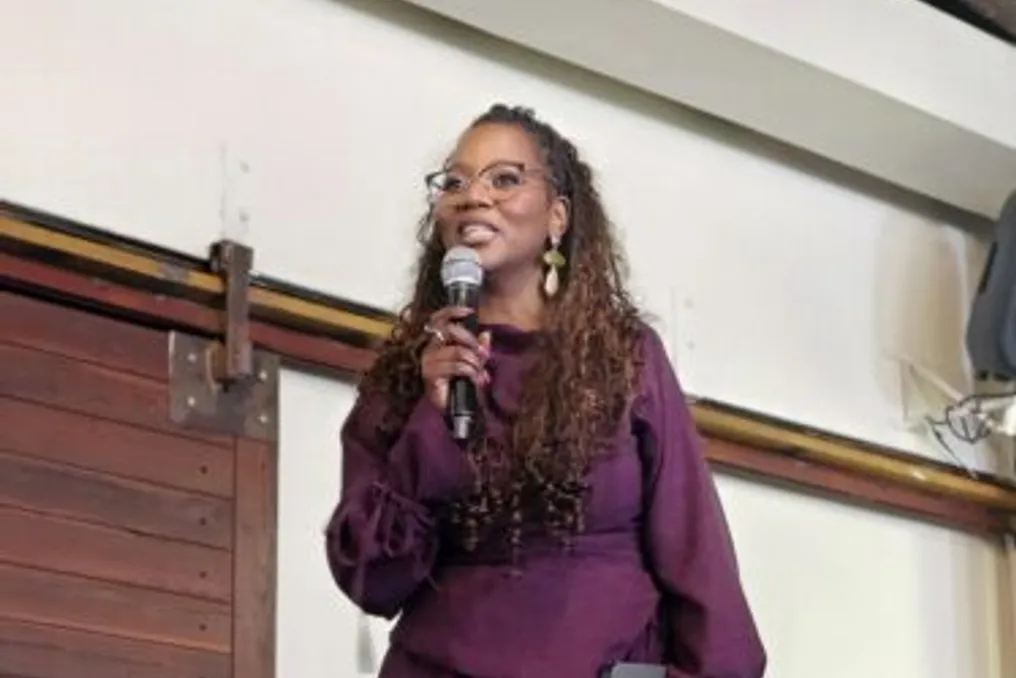
Agda CEO, Leona Archari, shared her experience in agricultural leadership, noting that perseverance has been one of her most important lessons. She recounted that early in her career, she faced a situation where the agricultural sector was largely controlled by men.
Archari urged women not to let such circumstances define their potential, emphasizing the necessity of self-belief. She stated: 'You must believe in yourselves. I think this is where perseverance and resilience show themselves. Believe in what you can offer.'
For Archari, creating an environment where women can communicate and exchange experiences is crucial. She observed that not everyone faces the same difficulties daily because others have already navigated that path. Therefore, it is important to ensure that the next generations have an easier, not a more complicated, journey.
She encouraged women considering a career or business in agriculture to take the plunge despite any fears. Furthermore, she highlighted the importance of networking, continuous learning, and adopting technology across the entire agricultural value chain.
Professor Khlamanani Ngwenya, a researcher and international development consultant, strongly recommended that young women broaden their understanding of agriculture beyond primary production. She stressed the need to view the agricultural sector holistically, pointing to opportunities in areas such as policy, education, research, finance, consulting, communications, and trade.
Ngwenya believes that expanding the perception of agriculture will help attract talented youth. She added: 'We need to broaden the focus so that you can understand agriculture and attract the best students.'
Additionally, Ngwenya pointed out the need to bridge the gap between knowledge gained by practitioners and the academic environment. Her concept of 'scientific glasses' encourages agricultural specialists to document their experience and use scientific platforms to validate and preserve this knowledge.
Meanwhile, Cindy Nsibande, a commercial farmer and financial management specialist, shared her journey from professional accountant to commercial farmer. She insisted that farming should be viewed as a serious profession and a calling, not merely a retirement option. Nsibande stated: 'Agriculture is not for the faint of heart. It is not a place to retire.'
Her career path was also heavily influenced by her mother, whose small farm enterprise helped her pursue education and develop an interest in financial and business management.
For commercial grain farmer Joyce Malindi, realizing her place in agriculture came when she had to take on responsibility. She acknowledged that it would be difficult but decided: 'I must do it.'
Malindi added that taking on leadership roles was not easy, but ultimately helped her understand her place in the industry and take ownership of her aspirations. She emphasized that asserting oneself in the sector means taking responsibility for achieving one's goals and maintaining commitment to their realization.