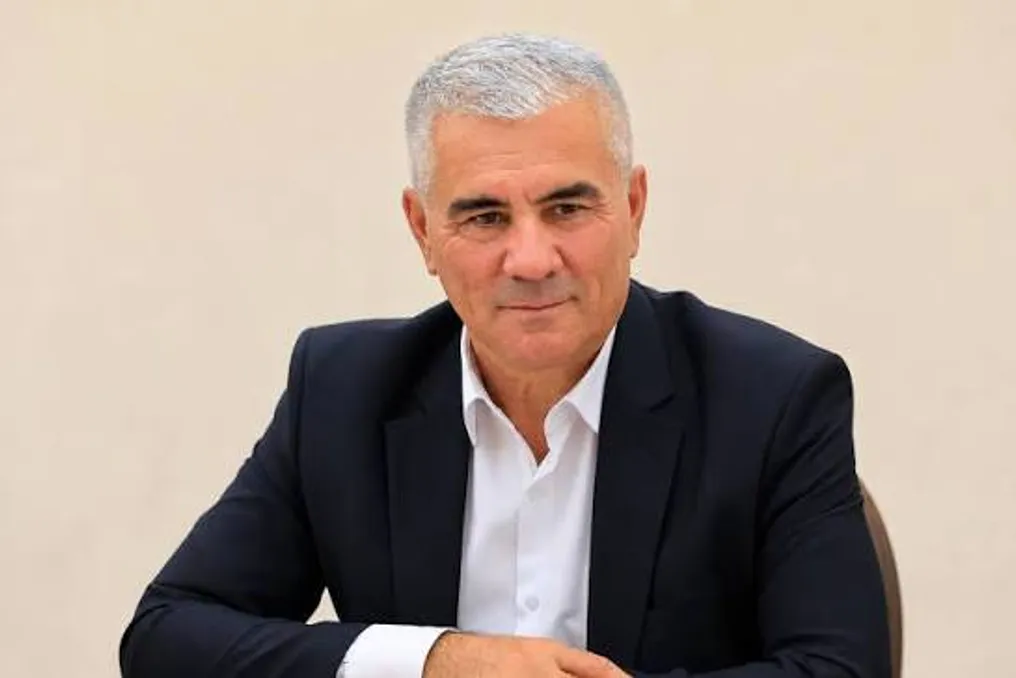
Khokim of Bukhara Region promised Uzbekistan President to eliminate poverty and unemployment by year-end
Read more
Podrobno.uz [uz]
podrobno.uz

Khokim of Bukhara Region promised Uzbekistan President to eliminate poverty and unemployment by year-end

The Khokim of Bukhara Region, Botir Zaripov, gave a promise to the country's president to end the problem of poverty before the end of the current year. According to him, the modern development of Bukhara has no parallel in its entire 2500-year history.

This statement was made during a teleconference with President Shavkat Mirziyoyev, which was broadcast on the 'Uzbekistan 24' television channel. Zaripov announced that he intends to use all available conditions, including tourism development and allocated financial funds, to eliminate unemployment.

Botir Zaripov stated: 'We have taken on the obligation to increase the gross regional product by 10%. You allocated credit resources of 12 trillion soums, and I asked: what is missing? I honestly admitted, esteemed President, that we, the khokims, should go down and, using the opportunities, benefits, and conditions you created, calmly bring poverty and unemployment to zero. There will be no poverty or unemployment in Bukhara by the end of the year.'

President Shavkat Mirziyoyev acknowledged the achievements but emphasized that the work is not yet finished. He recalled that previously, Bukhara faced acute problems with water supply and road infrastructure, but significant funding is now being directed towards their development. The head of state called for not stopping at what has been achieved.

Mirziyoyev noted: 'Once upon a time, cotton was only grown on the roofs of Bukhara. There was no water, there were no roads. We were among the first to allocate so much money for water, so much money for roads. A sensible person understands this. We must know one thing: undoubtedly, the results we have achieved are high, and they are ours, but we still have a lot of work to do.'

Previously, Shavkat Mirziyoyev asserted that over the past 35 years of Uzbekistan's independence, the scale of transformations and achievements can be compared to an entire century, emphasizing that the people are the true authors of all changes happening in the country.
Similar stories

Poverty rate in Uzbekistan decreased to 4.5% in the first half of 2026
Read more
podrobno.uz

Poverty rate in Uzbekistan decreased to 4.5% in the first half of 2026

In Uzbekistan, the poverty and unemployment rates were recorded as having decreased to 4.5% by the end of the first half of 2026. Additionally, 2.7 thousand mahallas received the status of poverty-free territories.

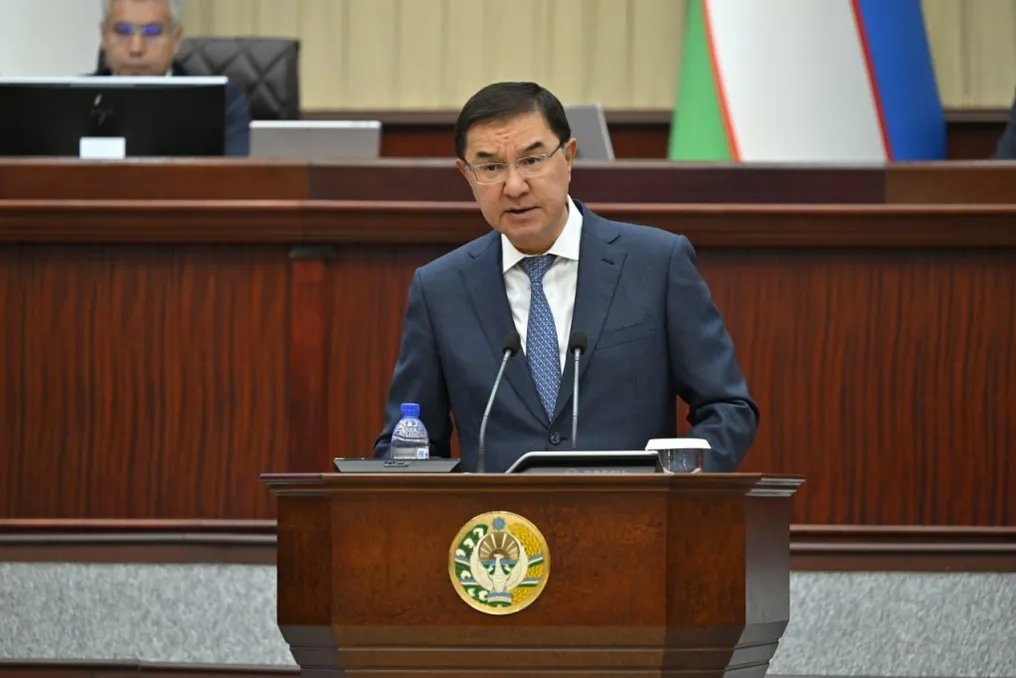
These results were reported by Jamshid Kuchkarov, Deputy Prime Minister who is also the Minister of Economy and Finance. He presented the Cabinet of Ministers' report on the implementation of the State Program for realizing the 'Uzbekistan - 2030' Strategy in the Legislative Chamber of the Oliy Majlis.

Since the beginning of the year, the poverty indicator has decreased to 4.5%, whereas at the start of the year it exceeded this mark. Concurrently, the unemployment rate fell from 4.8% to 4.5%.

During the reporting period, 506 thousand people found permanent employment, income increased for 2.616 million citizens, and the activities of 546 thousand informally employed persons were legalized. To stimulate employment and income growth in mahallas, 104 thousand micro-projects were launched, providing jobs for 246 thousand people. Furthermore, 227 thousand low-income families from the 'Social Register' received 300 thousand services aimed at increasing their income.

The country's economy demonstrated an 8.5% growth in the first half, with GDP reaching 1,072.7 trillion soms. Structural growth was 13.7% in construction, 9.2% in the service sector, 8% in industry, and 4.7% in agriculture.

Deputies' Views on State Programs

During the discussion, deputies emphasized the need to assess the effectiveness of state initiatives not only through quantitative metrics but also through real improvements in people's lives. They proposed the necessity of targeted work with each mahalla based on its specific needs and capabilities, as well as regular assessment of the profitability and stability of created jobs.

At the conclusion of the discussion, the Legislative Chamber adopted a corresponding decision regarding the report presented by the Cabinet of Ministers.

Popular