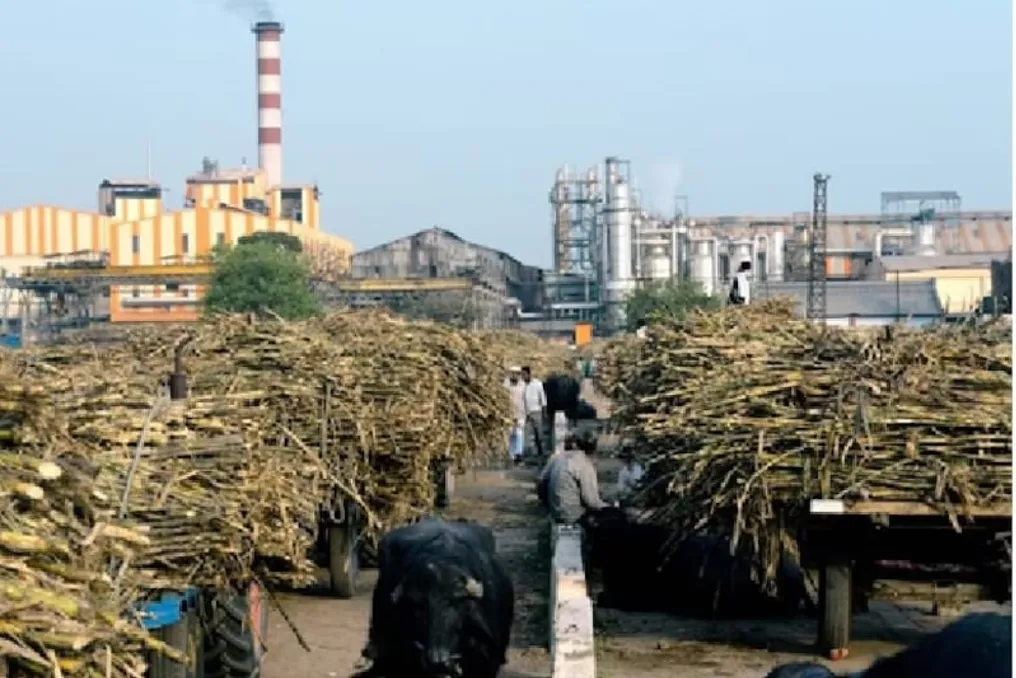
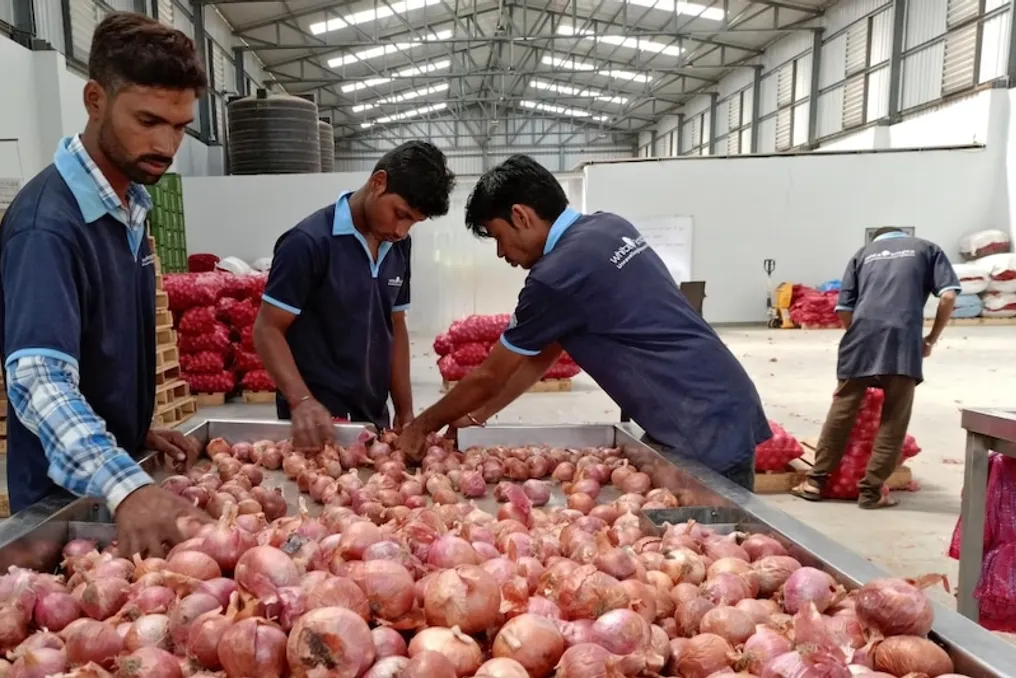
Government releases onion stocks to stabilize prices ahead of festive season
Read more
Aaj Tak
www.aajtak.in

Government releases onion stocks to stabilize prices ahead of festive season

Amid a sharp rise in sugar prices that surprised the public, prices for onions, essential for daily cooking, have also begun to increase. Recently, the retail price for a kilogram of onions reached around 60 rupees.

In response to this situation, the central government under Narendra Modi has taken immediate measures. Due to the approaching festive demand, the government has started supplying additional onions by opening its buffer stocks.

The government announced that thanks to the continuous increase in buffer stock prices, there is a sufficient volume of onions in the country to meet domestic demand in the coming months. To control price pressure caused by weather conditions, the phased release of onions from buffer stocks has begun.

According to government statements, the first train, 'Kanda Express', loaded with produce, has already been dispatched from Nashik to New Delhi. Furthermore, the dispatch of more than 15 trucks is planned to deliver batches of onions to over 10 different destinations. The government plans to use a hybrid logistics model combining rail and road transport for onion distribution.

The Central Warehousing Corporation was designated for the first time as the agency for storing onion reserves (PSF). This step was taken before the festive and wedding season when the demand for onions usually increases. In Delhi, retail sales of onions began at a price of 35 rupees per kilogram through NCCF and NAFED sales points, as well as via mobile vans and Central Warehouse points.

Currently, goods are being shipped from Nashik towards Delhi-NCR. Shipments are also being sent to Chennai, Kolkata, Ernakulam, Guwahati, Varanasi, Lucknow, Patna, Chandigarh, Jammu, and Amritsar. According to available data, as of August 26, the average wholesale retail price of onions across India was 37.87 rupees per kilogram, while the price of tomatoes was 38.33 rupees, and potatoes were 22.63 rupees per kilogram.

Similar stories

MoTN Poll: Exam Leak Issues Question Modi's Rule, But Youth Maintain Hope in the System
Read more
www.aajtak.in

MoTN Poll: Exam Leak Issues Question Modi's Rule, But Youth Maintain Hope in the System

As the world grapples with the challenges of the war in Iran over six months, the Modi government in India has faced a number of internal issues. The most pressing issue has been the impartiality of examinations. Problems with material leaks have put the Modi government in an awkward position, and subsequent student protests have damaged its authority. However, the question arises: has the Modi government weakened? What does Generation Z think? What are the main threats to the Modi government, and where lies the hope?

According to the 'Mood of the Nation' (MOTN) poll by India Today and C Voter for August 2026, the picture of the country's political life is complex and multifaceted. This poll shows that the central government of N. Modi faces numerous threats, but there is also data that instills a sense of relief and strengthens confidence.

Frequent instances of exam material leaks in public competitions, the anger of youth who took to the streets following rigging, rising unemployment, and daily inflation have seriously affected the government's reputation. Despite all this chaos, the country's youth, Generation Z, despite all their dissatisfaction and concerns, continue to find hope in the system and under the leadership of Prime Minister Modi.

Incidents of material leaks in public and entrance exams in recent months have provoked youth anger. The poll results indicate that 40 percent of young people stated they completely distrust the examination system. Furthermore, 27 percent of respondents admitted to having very low trust in this system. Thus, overall, 67 percent of youth question the examination system, while only 14 percent consider it completely fair.

Moreover, 17 percent of Gen-Z representatives believe that the process of hiring for government positions has become extremely slow and unreliable. When asked about the government's biggest failure, 9.8 percent cited the inability to prevent corruption and rigging as the main reason, which is a significant increase from the 1.4 percent recorded in the previous poll.

The anger caused by leaks has been amplified by issues of inflation and unemployment. According to the poll, 22.7 percent of people named unemployment as the most serious problem in the country. Upon closer examination of the unemployment situation, 42.3 percent considered it extremely serious, and 23.8 percent considered it serious.

As the biggest failure of the NDA government, 23 percent pointed to inflation, and 15.9 percent pointed to unemployment. Sixty-five percent of people stated that the cost of daily living expenses has significantly increased compared to last year, making household management difficult. Regarding the profitability of economic policy, 55.7 percent of the population believes it has benefited only large industrialists, while only 8.1 percent supported this for the benefit of farmers, and only 6.4 percent for small entrepreneurs.

Overall, 43.7 percent of citizens are convinced that the benefits of economic growth are limited only to wealthy segments of the population. Additionally, 43.2 percent believe that the level of corruption in the current administration has increased.

Generation Z, which suffers from issues with leaks and employment, is most affected by these issues, yet this group remains the biggest source of hope for the government. For 53 percent of Gen-Z youth, the most important issue is work and employment, followed by education and examination impartiality for 22 percent of the youth.

When asked about the main responsibility for increasing employment opportunities, 63 percent of youth considered it the duty of both central and regional governments. At the same time, 32 percent believe that hard work and qualifications are still respected in India. Regarding the pressure group known as CJP, which emerged during recent movements, 39 percent of youth stated that it should remain just a pressure group and not turn into a political party. When asked if they would vote for CJP if it participated in elections, 43 percent directly refused, and only 33 percent expressed support.

This figure demonstrates that the youth are protesting but prefer to achieve improvements within the existing system rather than supporting a new political party or instability.

The poll also revealed areas of concern for the government. 46.7 percent of people believe that democracy in the country is under threat, while 41.6 percent disagree with this view. More than 40.9 percent expressed doubt about the impartiality of the election commission.

Regarding the theft incident in Ram Mandir in Ayodhya, 46.6 percent stated that it damaged the image of both the central and regional government. Concerning the ethanol blending policy in petrol, 58 percent favor changes, of which 35 percent demand vehicle safety guidelines, and 23 percent demand leniency for non-compliant vehicles, while only 21 percent supports the current policy without changes. On the issue of religious harmony, only 34 percent see improvements, and 29.5 percent believe the situation is worsening.
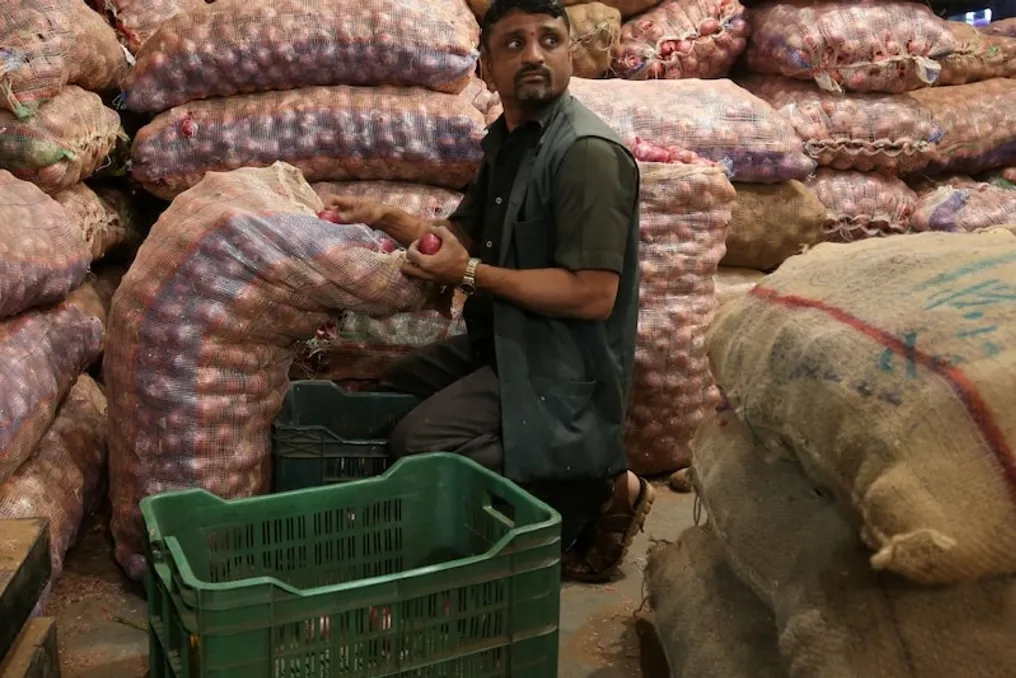
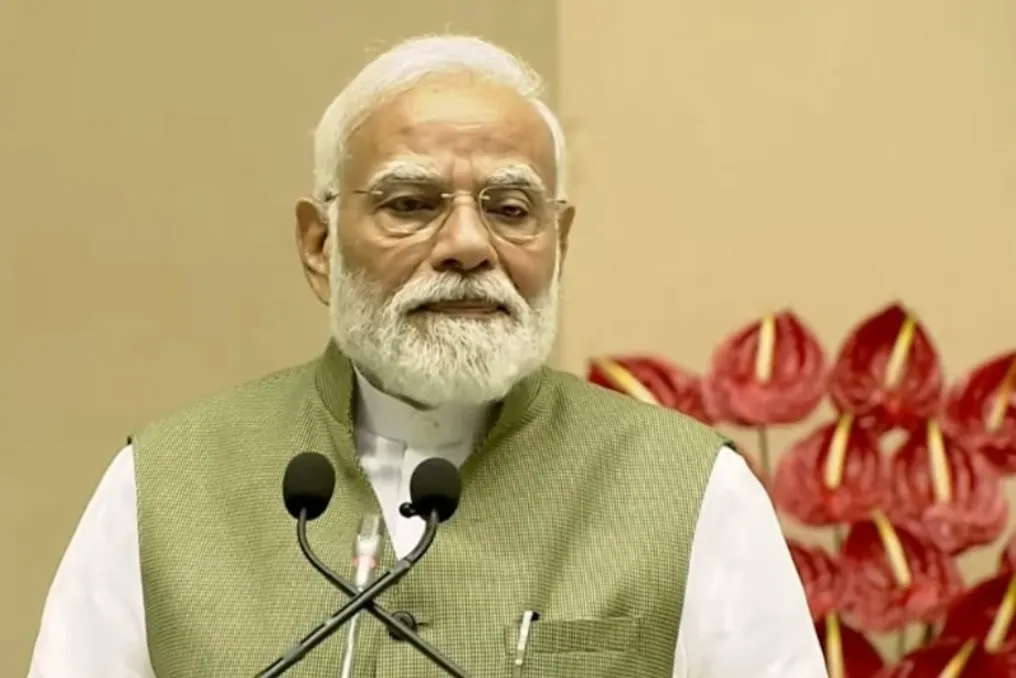
After a one or two-day wait, sugar will become cheaper than 60 rupees per kilogram
Read more
www.aajtak.in

After a one or two-day wait, sugar will become cheaper than 60 rupees per kilogram

Following a sharp rise in sugar prices in recent days, a period of price reduction has begun. Thanks to strict decisions made by the central government and increased market control, there has been a significant 18 percent drop in the price of factory-supplied sugar.

After this substantial fall, the price of sugar on the wholesale market dropped to 55 rupees per kilogram. It is expected that this government decision will directly impact the retail market, and in the coming days, sugar will start selling in local grocery stores below the 60 rupee per kilogram mark.

Over the past fifteen to twenty days, the country's sugar market experienced an unexpected surge in activity. Sugar prices at export factories reached an all-time high of 67 rupees per kilogram, leading to a rapid increase in retail sugar prices.

According to Sanjay Chopra, the chief secretary for food, the main reason for this sudden price jump was the arbitrary increase in tariffs by some sugar mills. This policy by the mills created an artificial speculative atmosphere at both the wholesale and retail levels of supply, which directly affected the pockets of ordinary citizens.

Once sugar prices reached 67 rupees per kilogram, the central government took two major steps to stabilize the situation. To prevent shortages in the domestic market and strengthen supplies, the government opened up the possibility of importing sugar from foreign markets. This prevented speculators from controlling the market.

The government also issued a clear warning that strict legal action would be taken against those who illegally hoard stocks and raise prices through speculation. As soon as a strict monitoring mechanism was introduced, speculation in the market immediately stopped.

As a result of implementing strict government directives and policies, sugar mills were forced to lower prices. In just a few days, the export-factory price fell from 67 rupees per kilogram to 55 rupees per kilogram.

Sanjay Chopra, the Food Secretary, stated in an interview with PTI that this decrease in sugar prices will not stop here. In the coming days, as imported sugar fully enters the domestic markets and the supply chain normalizes, further easing of export-factory rates is expected.

According to trade rules, when the export-factory price of any food product decreases, this benefit is passed from the wholesale market to retailers, and then to end consumers.

Currently, since the export-factory rate is 55 rupees per kilogram, the cost for wholesalers has significantly decreased. Even after accounting for transportation costs and local markup, sugar prices in retail grocery stores are expected to fall below the 60 rupee per kilogram mark in the coming days. The reduction in sugar prices during holidays and daily use will bring enormous economic support to the general public.

Rise in onion prices following sugar price hike causes consumer concern
Read more
www.aajtak.in

Rise in onion prices following sugar price hike causes consumer concern

Parallel to the continuous rise in sugar prices ahead of the holiday season, which is causing political disputes, onion prices are also showing a sharp increase, leading to public dissatisfaction. There has been a sudden and significant rise in the cost of onions.

In retail trade, the price per kilogram of onions has reached 60-65 rupees, whereas previously it was 30-35 rupees per kilogram.

Potatoes, onions, and tomatoes are vegetables commonly used daily in the kitchen, and their price increases negatively affect household budgets. This situation is currently being observed. According to reports, the surge in onion prices has affected regions such as Delhi-NCR, Nashik, and Chennai.

According to the Department of Consumer Affairs, the average retail price for onions was about 42 rupees per kilogram, which is approximately 19-20% higher than a month ago. In Delhi-NCR markets, onions are sold at a price of 60-65 rupees per kilogram. In Nashik, the cost of onions increased by more than 70% in one month.

Due to the sharp jump in onion prices, the government is preparing to start distributing onions from its reserve stocks to ensure supplies in cities where shortages and rapid price increases are observed.

This rapid rise in onion prices occurs while sugar prices have already dampened the festive mood. Sugar prices have increased in the country, and in just a few days, the retail price exceeded 65 rupees per kilogram or even more. Over a month, the price rose by approximately 15%.

Issues of sugar pricing have become the subject of heated political debates in India. The opposition uses sugar as a major topic for criticizing the government, claiming that the use of sugarcane for ethanol production leads to a reduction in sugar supply in the country, which causes the rise in sugar prices. However, the government under Narendra Modi has rejected these accusations, stating that there is no shortage in the country and that ethanol is not the cause of the price increase.

Popular