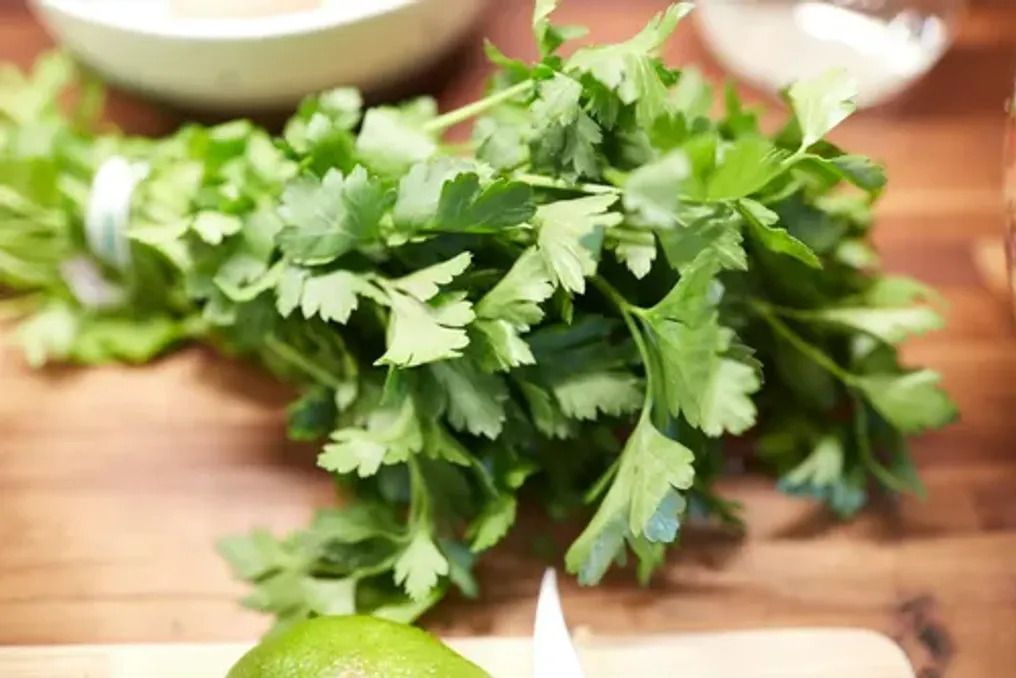
To prevent food spoilage and unnecessary expenses, it is important to know the correct methods for storing fresh cilantro. It can be frustrating to buy a bunch of fresh herbs only to find a few days later that it has wilted and is unusable, especially if only a small amount was needed for dinner.
Cilantro, also known as dhania in some South African cuisines, is a fresh herb regularly used in soups, stews, curries, salads, rice, and chutneys. Fortunately, there are simple ways to extend the shelf life of the bunch, whether by refrigerating or freezing it.
How to Store Cilantro in the Refrigerator
The main secret to keeping cilantro fresh in the refrigerator is to remove excess moisture before putting it away. If wet leaves remain in an airtight container, they can spoil quickly.
Refrigerator Method:
Thoroughly rinse the cilantro under cool running water, then remove any yellow, damaged, or wilted leaves. After this, completely dry the greens using a salad spinner or gently pat the leaves with a paper towel.
Next, line an airtight container with a dry paper towel, place the cilantro inside without packing it too tightly, and cover it with another dry paper towel on top. Close the container and place it in the refrigerator. Periodically check the paper towel and replace it if it gets wet. It is important to keep the cilantro clean and dry before storage; the paper towel helps absorb excess moisture, and the sealed container prevents the leaves from drying out.
How to Freeze Cilantro
Freezing is a good option if you bought more cilantro than you plan to use fresh. It should be noted that after freezing, the leaves will lose some of their original texture, so frozen cilantro is best used in cooked dishes such as curries, soups, stews, sauces, and rice dishes.
Instructions for Freezing Cilantro:
First, thoroughly wash the cilantro, and then dry it completely, minimizing any remaining water. Finely chop the cilantro and place it in a freezer bag. Before sealing the bag, try to squeeze out as much air as possible. Distribute the chopped cilantro evenly in a layer to make it easier to separate the required amount. Place the bag in the freezer. If needed for cooking, the entire bag does not need to be thawed; it is enough to simply break off the required amount and return the rest to the freezer.
Which Cilantro Storage Method is Preferred
The choice of method depends on how you plan to use the cilantro. If you need fresh leaves to add to a dish just before serving, the refrigeration method will be more suitable, as the leaves retain their texture. However, if you primarily use cilantro during the cooking process, freezing is a convenient way to prevent food waste.
Preparing cilantro—washing, drying, and chopping—only takes a few minutes, and then it will be ready for use as needed. A little preliminary preparation after returning from the store allows the bunch of cilantro to last longer, helping to reduce food waste and increase the value of your grocery budget.