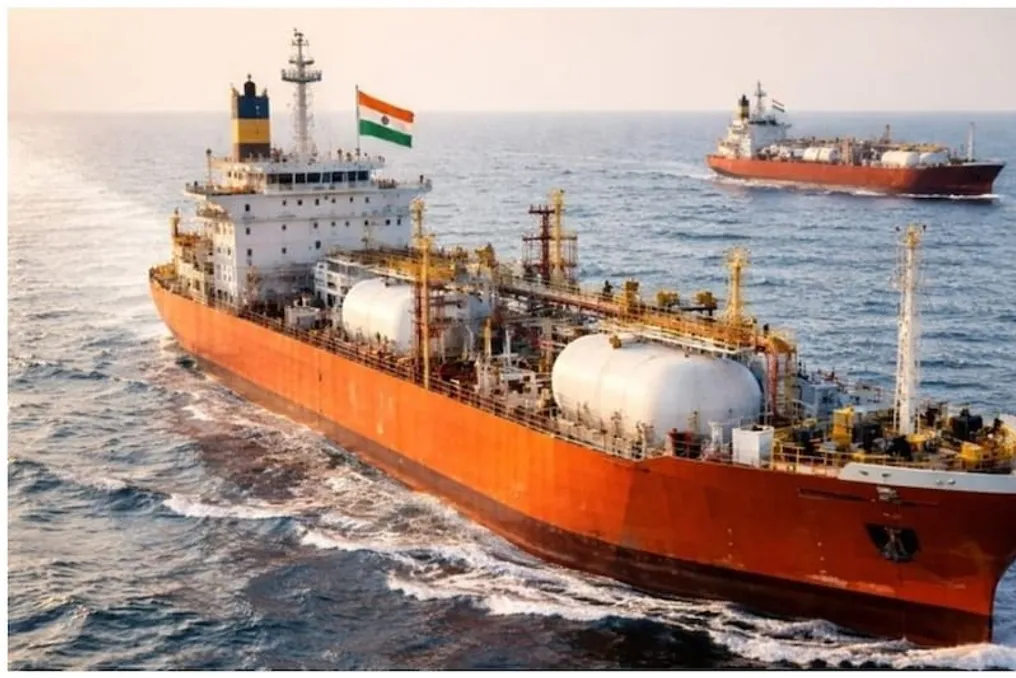
Traditionally, countries such as Saudi Arabia, Qatar, the UAE, and Iraq dominate the supply of petroleum products due to their vast reserves of natural fuel. India, which has always been an oil importer, has unexpectedly transformed into one of the leading exporters of petroleum products to several countries, including Kenya, overtaking Gulf and Arabian nations.
Disruptions in fuel supply routes in the Middle East, caused by the conflict between the US and Iran, negatively impacted supplies from the UAE and Saudi Arabia. Consequently, the East African country Kenya began sourcing gasoline, diesel fuel, and aviation fuel from India, becoming the largest consumer of Indian petroleum products and surpassing suppliers from the Gulf countries.
Until recently, Kenya purchased petroleum products, including diesel, gasoline, and aviation fuel, under government agreements. The main suppliers were companies such as Saudi Aramco, Abu Dhabi National Oil Company, and Emirates National Oil Company. However, after supply issues arose in West Asia, Kenya was forced to change its fuel sources.
According to data from the Belgian analytical company Kpler, energy analyst Anas Alhajji reported that India has taken the lead in supplying kerosene, diesel fuel, aviation fuel, and fuel oil to Kenya, displacing the UAE and Saudi Arabia. He also noted on the social network X that in July, exports of Indian petroleum products to Africa reached a record high.
According to Alhajji, in July, the annual volume of Indian petroleum product exports to Africa increased by 66%. Part of the Indian cargo was redirected from European markets to African markets, following the imposition of restrictions by the European Union on the import of refined petroleum products from third countries derived from Russian crude oil. These restrictions created new opportunities for Indian refineries in the African market.
A key factor in the growth of India's role is its developed oil refining capacity. The Ministry of Petroleum and Natural Gas indicates that India is the fourth-largest refinery in the world and the second in Asia. The total production capacity of 22 operating refineries in the country is 258.1 million tons per year. In the fiscal year 2025-26, India exported 61.5 million tons of petroleum products. Moreover, over 90% of the crude oil required by India is imported and then refined at local refineries for shipment to global markets.
It is also worth noting the presence of the world's largest oil refining complex in Jamnagar, Gujarat state, owned by Reliance Industries in India. Against the backdrop of this strengthening of the refining sector in India, changes have also occurred regarding Russia: after increased pressure on Russian refineries due to military actions in Ukraine, Russia began purchasing petroleum products from India.
According to a report by the news outlet Kenyans, in January, petroleum product supplies from the UAE to Kenya amounted to about 90,000 barrels per day, but by August, this figure had decreased to approximately 15,000 barrels per day. At the same time, the share of supplies from India increased. Specifically, on March 19, a cargo of kerosene amounting to about 82.38 million liters, shipped from the port of Sikka in Gujarat, arrived at the port of Mombasa in Kenya. Furthermore, a shipment of petroleum products was scheduled for this port in April amounting to 156.75 million liters, including 81.15 million liters of kerosene and 75.6 million liters of diesel fuel.
According to the Ministry of Commerce and Industry of India, in July 2026, India's exports to Kenya grew by 151.41% in value. That month, Kenya entered the top five fastest-growing export markets for India. Although this indicator covers the export of all types of goods, not just petroleum products, during the same period, the global export of Indian petroleum products also showed significant growth. In July, its value increased from $4.13 billion to $6.92 billion, corresponding to an annual growth of approximately 67.64%.
Petroleum products play an important role in trade relations between India and Kenya. In 2025-26, India was the third most significant trading partner of Kenya. Bilateral trade between the two countries amounted to about $4.31 billion, of which India's exports reached approximately $4.01 billion, and imports from Kenya to India amounted to about $290 million. Petroleum products remain one of India's key export commodities, supported by both disruptions in Middle Eastern supply routes and growing demand in African markets.