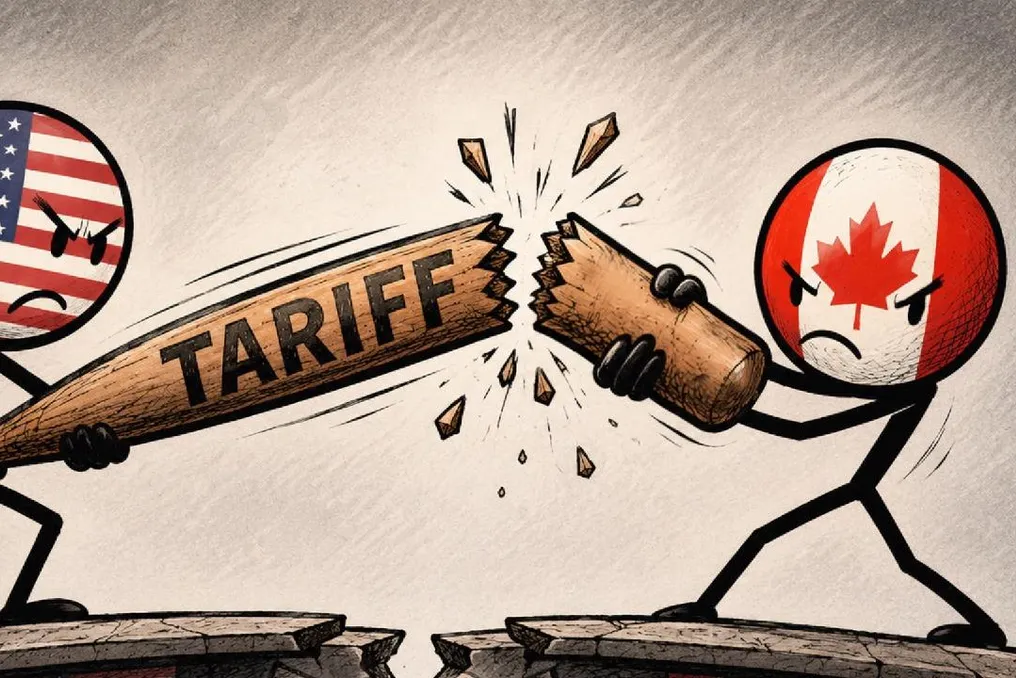
Trade tensions have intensified between the United States and Canada after negotiations between the two long-standing allies failed. Starting September 8, Canada will impose retaliatory tariffs on imports from the US worth approximately $20 billion, a direct response to new US tariffs on Canadian goods of similar value. It is noted that these measures will affect hundreds of product types, including steel, aluminum, home appliances, electronics, and agricultural products.
The breakdown in negotiations occurred after Prime Minister Mark Carney stated that Washington made last-minute changes to the proposed trade agreement that were 'unfair' and 'uneconomical,' casting doubt on the deal's reliability.
Escalation of Verbal Disagreements
The United States and Canada are traditionally considered among the closest allies and trading partners in the world. Their economies are closely interconnected, and their political and defense ties have existed for many generations. This is why the current confrontation appears so striking.
Carney used an unusually strong word to describe the dispute—'war.' US President Donald Trump quickly responded by accusing Canada of wanting to benefit from the status of a US state without actually becoming one.
The war of words was accompanied by real economic pressure. Following the collapse of trade talks, Washington imposed 50% tariffs on approximately $20 billion worth of Canadian goods. Trump also threatened to impose additional 50% duties on Canadian cars, trucks, auto parts, and steel starting January 1, 2027. What began as a dispute over market access and tariffs is now testing the resilience of one of North America's most vital economic relationships.
Canada Retaliates
In response, Carney announced the imposition of retaliatory tariffs on American goods starting September 8. Other Canadian leaders have also suggested targeting strategic exports, including energy and critical minerals, if tensions continue to rise.
Public opinion appears to support a tougher approach. According to a recent Angus Reid Institute poll, 76 percent of Canadians believed it was the right decision for the government to walk away from negotiations, and 62 percent deemed a 'dollar-for-dollar' counterstrike appropriate under the circumstances.
This support reflects a broader shift that has been forming over some time. Calls to 'buy Canadian' are gaining popularity across Canada, as consumers increasingly prefer domestic products over American counterparts. Some Canadians have also reduced trips to the United States, opting for destinations at home or elsewhere.
Phrases like 'Roll up your sleeves' and 'Strong Canada' have become part of this wider sentiment, reflecting a growing desire among many Canadians to support local businesses and reduce economic dependence on their southern neighbor.
Tariffs Work Both Ways
Protectionism comes with its costs. Tariffs can protect certain domestic industries or create leverage in negotiations. However, they can also increase costs for producers, retailers, and households. When one country retaliates, these costs can spread to both economies.
The United States serves as an example. Federal Reserve studies show that tariffs implemented before November 2025 increased the overall PCE base level by approximately 0.8 percentage points by February 2026. The Personal Consumption Expenditures index, or PCE, is one of the key inflation indicators used by the Federal Reserve.
Price pressure is particularly noticeable in certain tariff-affected goods, such as home appliances and consumer electronics, where price increases outpaced pre-tariff trends. For consumers, the costs of the trade war are directly reflected in price tags. For businesses, it means higher costs for imported components, raw materials, and equipment.
The same dynamic is observed in Canada. In two closely integrated economies, there is no guarantee that economic pressure will stop at the border.
A Loss for Both Sides
When tariffs become a response to any dispute, there are no winners. This may be the main lesson of the trade dispute between the US and Canada. Canada's decision to openly confront may signal a broader change in how US allies react when trade policy becomes a source of uncertainty. Businesses face increased risks, supply chains are under pressure, and consumers on both sides may pay more.
There is another, less measurable cost: trust. When long-standing economic partners begin to treat each other as adversaries, restoring confidence may prove much harder than imposing tariffs initially. The longer the confrontation continues, the higher the risk that a temporary trade dispute will turn into a long-term restructuring of economic relations.
Canada's retaliatory tariffs will only take effect on September 8, leaving room for renewed negotiations. However, a sustainable solution will require more than another round of threats and counter-threats. Trade relations between allies cannot be sustained solely through economic coercion. The alternative is more difficult but ultimately more durable: negotiations based on equal terms, predictable rules, and mutual benefit.