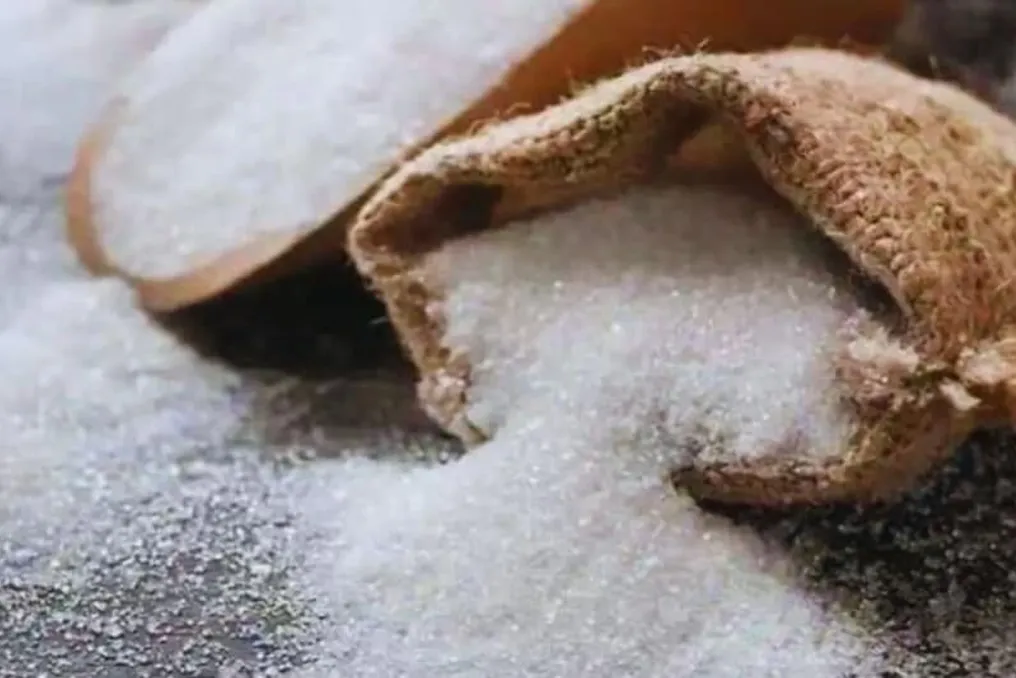
Previously, sugar occupied a minor place in the household: it was simply added to tea, generously used when hosting guests, or employed to soften the taste in baby food. It was a universal element that did not distinguish between religion or race, and brought joy during holidays.
Despite its significance in people's lives, sugar long remained an inconspicuous product, stored in distant corners of the kitchen. When making shopping lists, it always yielded to items such as grains, butter, and spices. However, sugar has now acquired a new status and become a subject of heightened attention.
The situation is that before the approaching holidays, one must assess the cost of sugar before planning the preparation of sweets or hosting guests. Now, buying a kilogram of sugar may require discussion with the family financial committee, for example, deciding whether to slightly delay electricity payment or reduce the amount of sugar in tea.
The modern generation, such as Zoomers, might be surprised that in the seventies and eighties, the sugar market was not entirely free. Until then, this sweet was under strict state control in special stores, requiring compliance with state norms, possession of a product card, and going through long queues.
In those times, sugar held such a high status that honey was prepared daily in ordinary homes. Sugar was reserved only for particularly important guests, high-ranking officials, or relatives who could offer the family a favor in the future. Thus, honey was the everyday sweet, and sugar was an instrument of diplomacy within the family.
During weddings, collecting sugar resembled a state program. To prepare sweets, appeals were made to local elders and district officials, and the wedding invitation served as a kind of confirmation to verify whether a wedding was actually taking place, or if it was just a conspiracy for sweet tea.
Back then, relatives at weddings came not only for fun and food; some brought their product cards. The true test of kinship lay in who attended the wedding and who helped with the provision of sugar.
It is interesting that a product that once required the involvement of elders, officials, and the presentation of a card subsequently began to sell freely in the market, ended up in packaging, dissolved in tea, and gradually became an ordinary ingredient. People began adding it without proper calculation.
However, history apparently did not wish to give this sweetness away for too long. Sugar has once again raised its social status. It moved from the list of products next to spices, then became a necessary commodity, and now finds itself among expensive products. The next rise in status might be a place next to dried fruits.
The history of the name of sugar in India is equally fascinating. Initially, sugar had a brown hue that displeased the Chinese emperor. He issued an edict to change the color, after which sugar was transformed into a crystalline, pure product. During the British period, when factories for producing refined sugar appeared in Bengal, Chinese masters initially assisted in creating crystalline sugar, and gradually this crystalline sugar came to be called 'sugar' among Indians.
Thus, both the name of sugar and its prestige were shaped by international cooperation and the global market. Today, it is sugar that dictates the foundations of domestic budget policy.
The recent increase in sugar prices has suddenly elevated it to the level of goods such as gold, gasoline, or onions. The difference is that when the price of gold is considered, a person gives up the dream of buying it; when the price of onions is considered, they change vegetables; and when the price of sugar is considered, they change the taste of tea.
The holiday season is approaching—Ganpati Chaturthi, Dussehra, Diwali—that is, the season of sweets. But this time, before visiting a confectionery, one must mentally prepare their wallet. In several markets across the country, the retail price of sugar has reached 60–70 rupees per kilogram.
The government realized that the problem goes beyond simply reducing the amount of sugar in tea. Since demand will increase during the festive period, sweets will become more expensive, and the budget of ordinary citizens will once again face the question: should they celebrate or mourn due to expenses. Therefore, the government allowed duty-free import of sugar and set limits on reserves for large buyers.
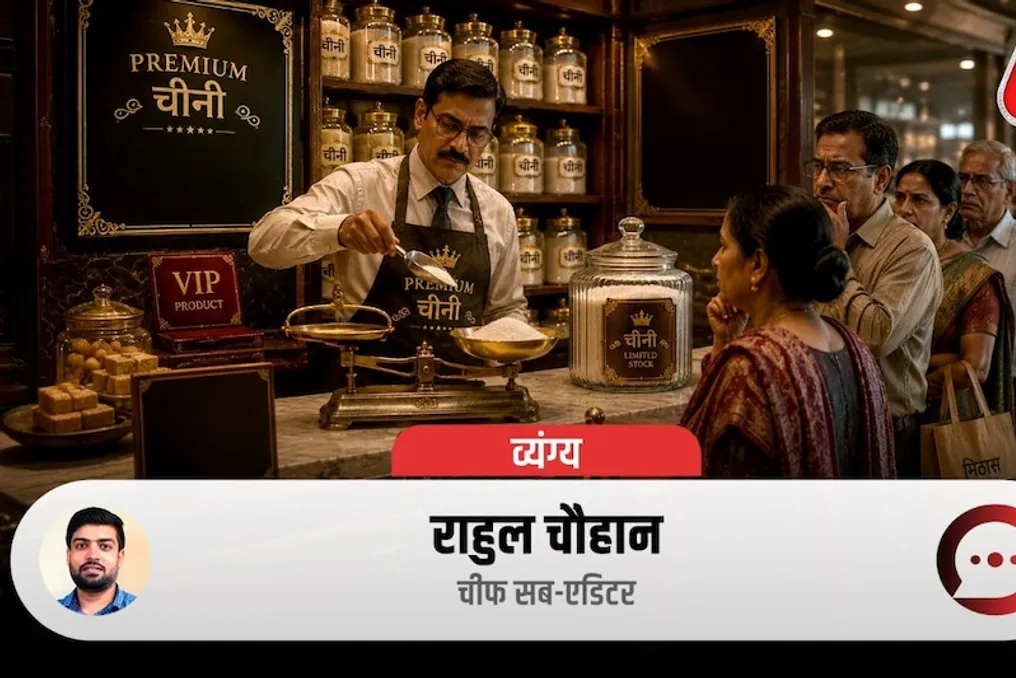
Thus, sugar has become such an important commodity that government meetings are held for it, traders keep track of reserves, and ordinary people, looking at the bag at home, try to figure out if this sweetness will last until the next salary.
Perhaps sugar itself did not know that its best days would come like this. Previously, people asked the seller: 'Brother, how much is the sugar?', but now the question sounds like: 'How much is the sugar and how much will you lend me?'