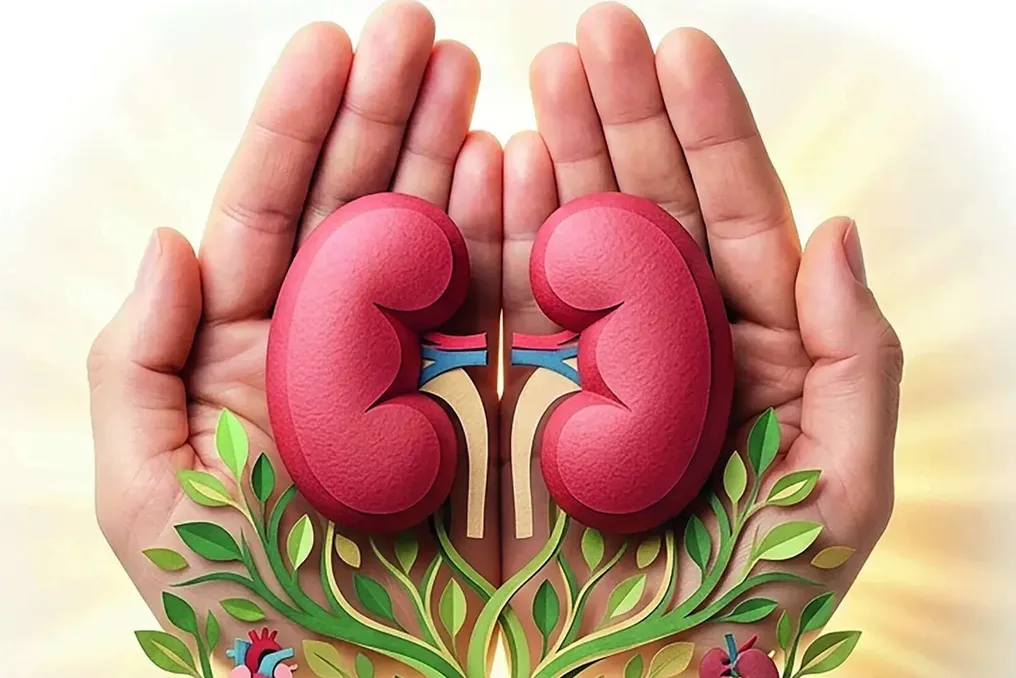
A parliamentary committee reported that there is a growing gap in India between the need for kidney transplants and the availability of donor organs; 61,668 patients are on the waiting list, which is nearly five times the number of transplants performed as of February 9th.
The Committee on Health and Family Welfare recommended expanding kidney transplant capabilities in at least three state medical colleges in major states and one in each small state and territory, as well as setting targets to increase organ retrieval centers and transplant infrastructure, especially in underserved and mountainous regions.
In 2024, 11,558 kidney transplants were performed from living donors and 1,918 from deceased donors, yet 61,668 people remained on the waiting list as of February 9th. In its report, presented during the recently concluded monsoon session of Parliament, the committee noted that these figures highlight the increasing imbalance between demand and capacity, as well as the continued reliance on living donors.
It was observed that transplant activities are concentrated only in a few states and large urban centers, including Delhi, Tamil Nadu, Maharashtra, Gujarat, and Karnataka, leading to unequal access across the country.
The committee attributed the deficit partly to low rates of post-mortem organ donation in India, citing social misconceptions, lack of awareness, limited organ retrieval infrastructure, and procedural hurdles. It called for a nationwide campaign to change behavior and strengthen coordination systems for transplantation and organ retrieval at hospitals.
According to data from the National Organ and Tissue Transplant Organization for the period 2019–2023, women constituted 63.8% of living organ donors, while men made up 69.8% of transplant recipients. The committee requested a study to determine whether socio-economic, cultural, financial, or gender barriers contribute to this discrepancy.