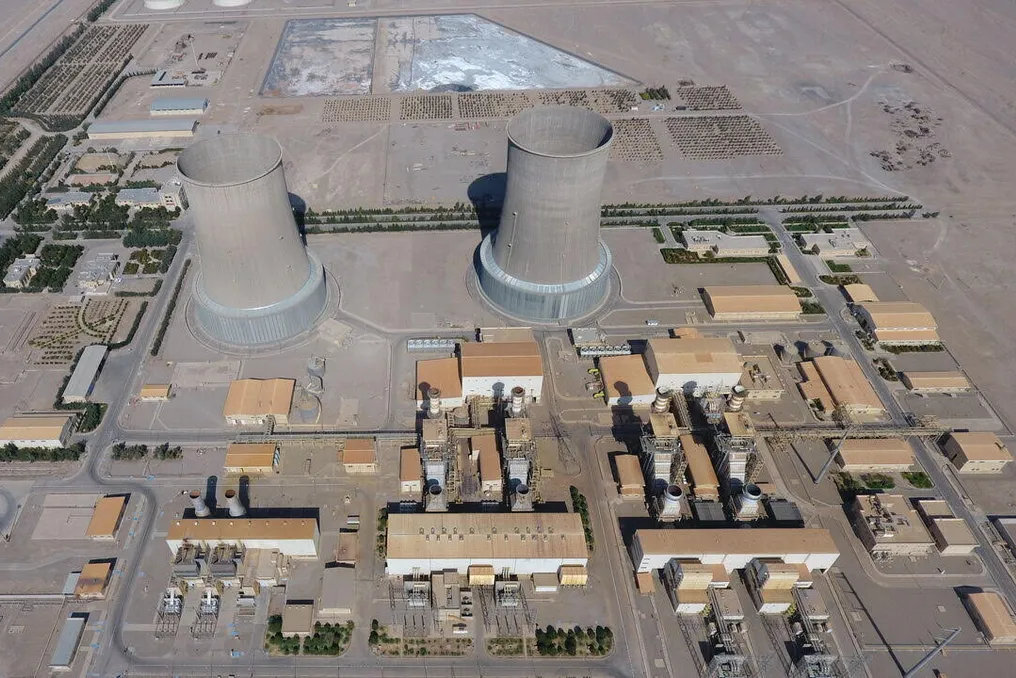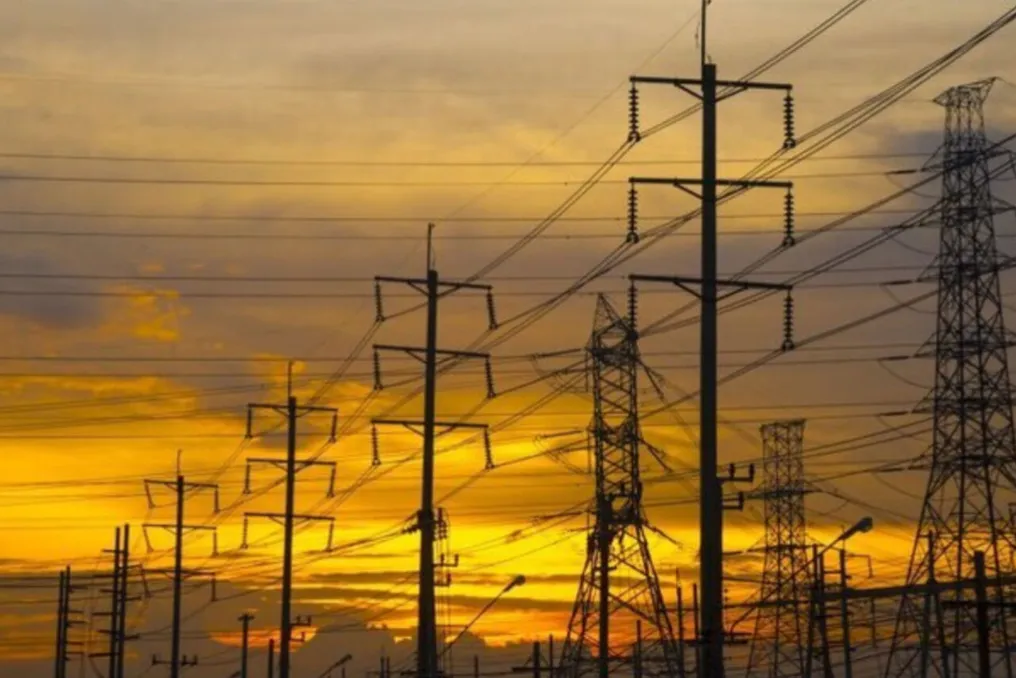
Iran's Energy Minister Abbas Aliyabadi reported that the country's energy capacity is substantial and is projected to exceed the 110,000 megawatt mark by the end of the current Iranian year, which concludes on March 20, 2027. Concurrently, there is active expansion of renewable energy facilities.
During his visit to North Khorasan province at Boynord airport on Wednesday, Aliyabadi addressed IRAN, clarifying that the purpose of the provincial trips is to meet with the population, study local problems and difficulties, and monitor the implementation of necessary programs and projects.
Referring to the state of power plants in the country, the minister noted that they operate in both public and private sectors, both of which have been affected by recent attacks.
He added that 4,200 megawatts of the country's power plant capacity were hit and damaged during the recent conflict. Aliyabadi emphasized that damaged state power plants were repaired and reconnected to the grid in a short time, while private enterprises are undergoing restoration and reconstruction.
Highlighting that the first damaged private power plant has already started operating, the minister noted that the restoration process for other facilities is ongoing, and all damaged structures are planned to be returned to the grid by next summer.
The energy minister also stressed the need to increase generation capacity, stating that the current capacity is very high and is expected to cross the 110,000 MW threshold by the end of the year.
Aliyabadi explained that alongside the expansion of thermal and existing power plants, a comprehensive program for developing renewable energy sources is being implemented, which could play a key role in increasing generation and ensuring stable energy supply.
He specified that the development of renewable energy is one of the main tasks of the Ministry of Energy to increase production capacity and meet the growing needs of the country.
The minister arrived in North Khorasan province on Wednesday for a two-day visit, landing at Boynord airport, where he was met by the provincial governor and the Leader's representative in North Khorasan.
As part of his first official event, he simultaneously inaugurated 27 solar power plants installed in schools across the province, followed by the centralized opening of 7,800 residential units in Boynord's Golestan district.
The minister's itinerary on the first day in North Khorasan also included an inspection of the Serani water transfer project.
The minister's route will continue on Thursday when he visits Isfaraen county, where the opening of a 100-megawatt solar power plant and a training center building for medical workers at Isfaraen Medical University is scheduled.
The energy minister's visit to North Khorasan takes place against the backdrop of sustainable water supply, the development of renewable energy, and the completion of infrastructure projects being among the most important requirements and priorities of the province, with the Serani water transfer scheme playing a crucial role in ensuring the water security of northeastern Iran in the future.