Iran's Energy Minister Abbas Aliabadi announced that the development of renewable energy will increasingly focus on household and small-scale installations, emphasizing the environmental superiority of clean energy over fossil fuels.
Speaking at the opening ceremony of 95-megawatt solar power plants—which include the Qaed Shahid facility with a capacity of 63 MW and the Lamerd Martyrs facility with a capacity of 32 MW in Tehran province—Aliabadi noted that numerous renewable energy projects are being implemented across many provinces. He expressed gratitude to partner institutions, such as the Central Bank and provincial governorships, for their cooperation in promoting these initiatives.
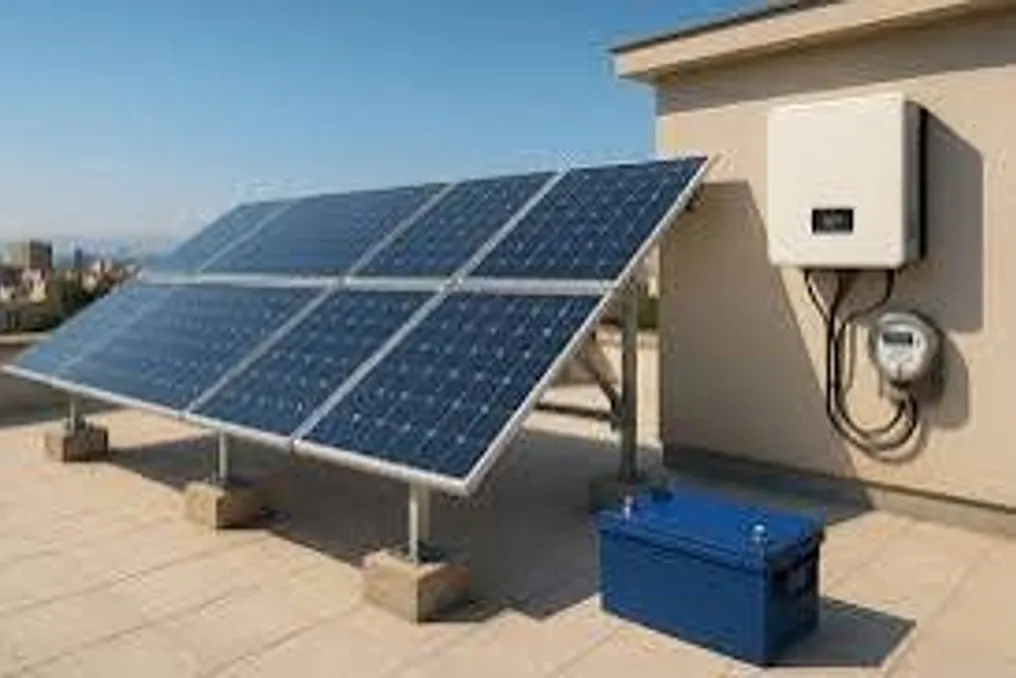
The Minister stated that 'renewable energy sources are significantly cleaner than fossil fuels, and we must pay special attention to developing power plants at the household and small-scale levels.' While acknowledging the continued development of large-scale projects, Aliabadi stressed the importance of mobilizing small public capital.
He highly praised the efforts of SATBA (Iran's Organization for Renewable Energy and Energy Efficiency) in aggregating micro-investments and directing them into renewable projects, which reduces dependence on large investments and state funding. Referencing the Parand power plant as a successful model, he noted that citizens participated with modest contributions, demonstrating the viability of crowd-funded energy infrastructure.
Aliabadi also emphasized that leading industrialists agree that for the country's Fourth Industrial Revolution, it must diversify its energy production sources. He added that 'technology is evolving, and we must keep pace with it. We are pleased that after many years of effort, the country has achieved remarkable results in renewable energy.'
According to IRNA, the 95-megawatt solar installation, the largest in the country, was officially commissioned on the second day of National Week in the presence of President Masoud Pezeshkian. Located near the Shamsabad industrial city, southeast of Tehran, the country's largest industrial zone, the plant is divided into two sections with capacities of 63 MW and 32 MW. The project was completed in less than nine months on a 147-hectare site and is intended to partially cover electricity demand during peak hours for the Shamsabad industrial city.
Thanks to this latest addition, Iran's total solar energy capacity has reached nearly 5,500 megawatts. Iran's renewable energy sector is showing impressive growth. If the total capacity was about 1,250 MW two years ago, it is now over 5,800 MW, driven by a fivefold increase in solar energy. The government aims to reach 12,000 MW by March 2027 and 30,000 MW in the medium term. This momentum includes a strong focus on small and residential solar power plants, supported by billions in allocated funds and new foreign investment agreements to diversify Iran's energy balance and enhance national security.