SiFly Aviation has successfully raised $20 million in funding to expand its business in autonomous aerial vehicles. Shield Capital led this round, with participation from Qudit, BBK Capital, Alumni Ventures, and other investors.
The capital raised will be used by the company to increase production volumes and meet the growing demand from clients. The Santa Clara-based company develops long-endurance electric aircraft designed for critical missions.
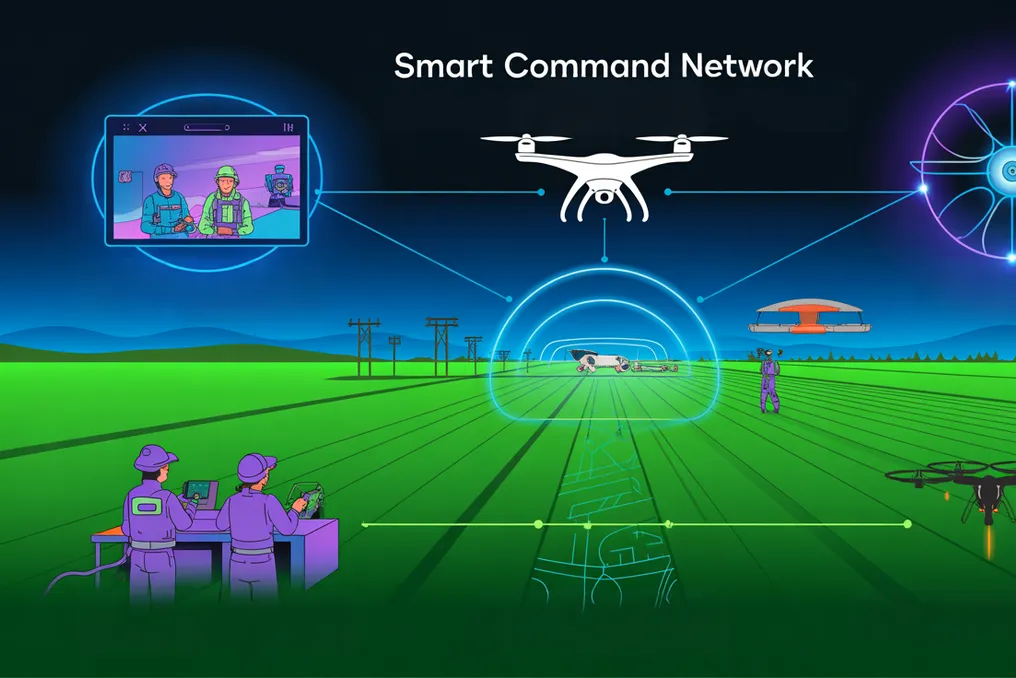
The company's main product, the Q12 model, combines vertical takeoff capability with long-range flight capabilities. This aircraft is designed for use in public safety, infrastructure inspection, and agricultural applications. Additionally, SiFly is developing the DronePort system, which is intended to manage multiple drones and ensure continuous air coverage.
The Q12 design was created to overcome the short flight time issue common in traditional multirotor drones. Reports indicate that this aircraft can fly four times longer than leading corporate drones and cover ten times the distance of competing platforms. The Q12 supports a payload of up to 10 pounds. SiFly has conducted thousands of flights and hundreds of hours of testing.
During testing, the aircraft completed a flight lasting 3 hours, 11 minutes, and 54 seconds, allowing the company to set a Guinness World Record in its class. This record recognizes the longest flight of an electric multirotor aircraft in this category.
The Q12 integrates various characteristics found in different types of aircraft: it provides vertical takeoff and landing, as well as precise hovering, while its design focuses on the efficiency and range typical of fixed-wing aircraft. This combination is intended to support longer missions without the need for frequent takeoffs.
Alongside the production of the Q12, SiFly is advancing its DronePort infrastructure system. This platform is designed to support numerous drones from a centralized infrastructure. This feature can help operators maintain continuous air coverage over vast areas. The company is developing this system for commercial and governmental needs.
Public safety agencies can utilize the extended flight times for emergency response operations. When integrated with DronePort, the system can support 'Drone as First Responder' programs. These scenarios can improve response coverage without requiring additional drone operators. Municipal services can deploy the aircraft for longer infrastructure inspection missions, and agricultural operators can map more land per flight. SiFly believes these advantages will lead to cost reductions.
Part of the new funding will be directed towards developing manufacturing capacity in the US. The company will also strengthen its supply chain as production scales up. Additional funding will be allocated to product delivery to customers and operational deployments.
The fundraising comes amid increased interest in domestically produced drone technology. Supply chain issues have prompted commercial operators to seek reliable alternatives, while government agencies are looking for capable systems manufactured within the United States.
A representative from Shield Capital noted that the increased flight duration can improve the economics of drone missions. The investor believes that SiFly is capable of meeting growing demand across several commercial markets. SiFly CEO Brian Hinman stated that this funding will accelerate production and deployment for customers.
The company is now entering a phase of broader commercial scaling following comprehensive aircraft testing. The new capital will also support further field testing of DronePort. SiFly aims to create the necessary infrastructure for increasingly autonomous drone operations. Its overall strategy encompasses aircraft, software, and operational infrastructure, which could facilitate the expansion of continuous air monitoring systems across various industries. The company plans to develop its market entry and regulatory competencies.