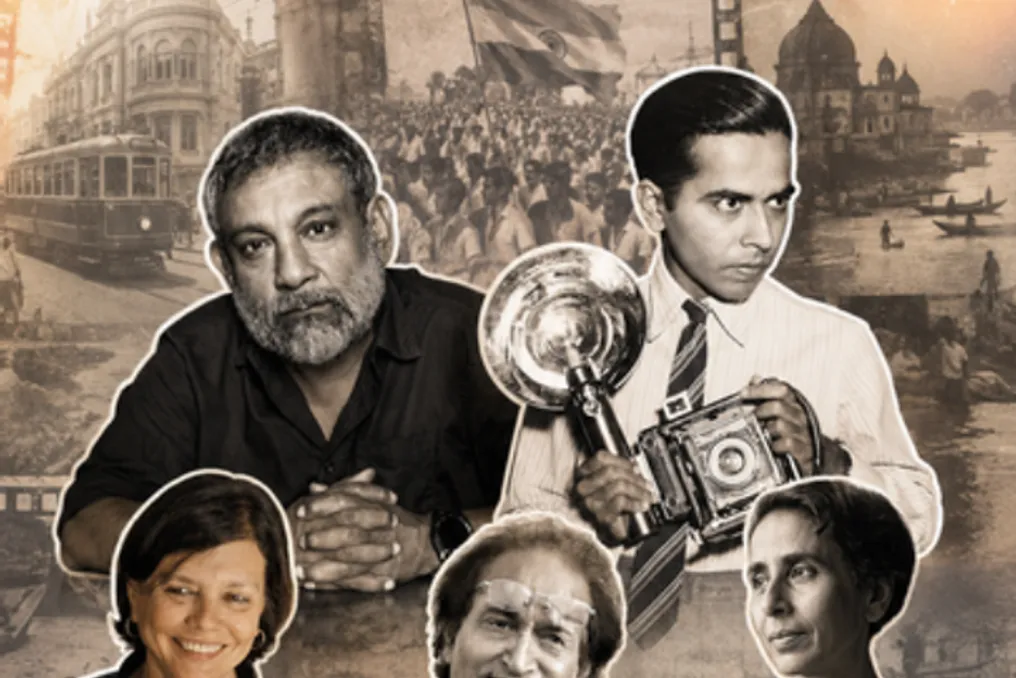
Imagine India 150 years ago, before modern cities changed its landscapes and before photography became a widespread phenomenon. It was Lala Din Dayal's camera that recorded what existed at that time.
His journey began far from photography. Born into a family of jewelers, Dayal received training as a civil engineer in 1866 and started working as a surveyor and draftsman in Indore, where he first used photography to document lands.
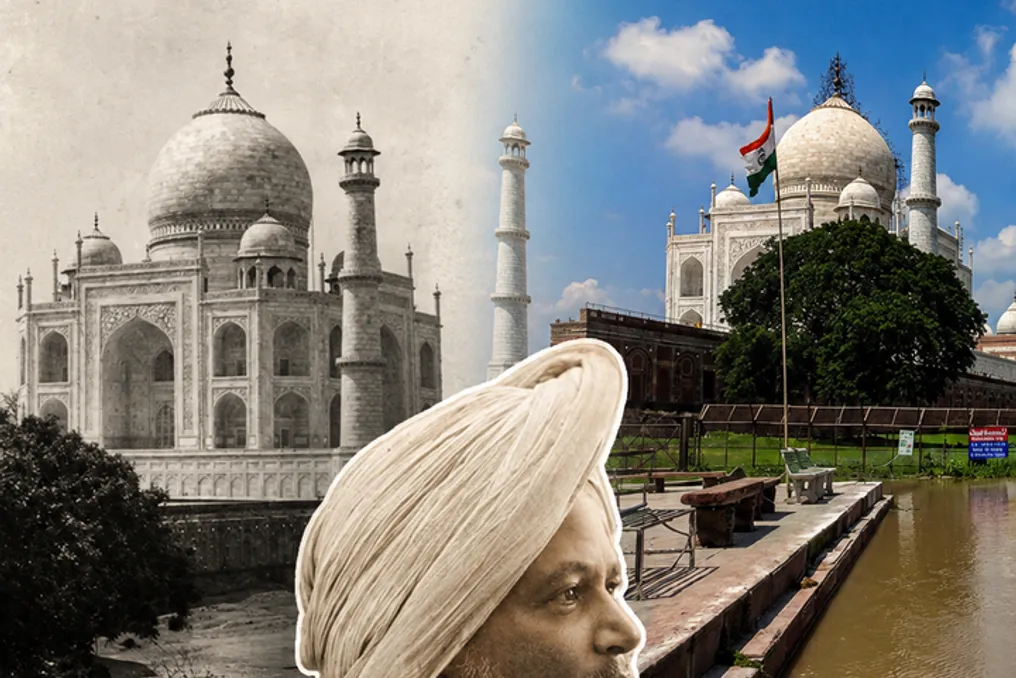
By the mid-1870s, photography became his passion. In 1882, Dayal traveled across India with Sir Leopold Griffin, photographing monuments from the Taj Mahal to Sanchi and Ellora, during a period when European photographers dominated the region.
His photographs of Indian monuments were impressive and served as detailed visual testimonies to the country's architectural and archaeological heritage. He also documented landscapes, famine, major events, and people.
He once photographed the Bhopal railway station, capturing a steam locomotive cutting through the landscape. As India changed, Dayal's camera documented the nation's transformation under the influence of modernity.
Dayal's lens covered social strata: British officials, Indian Maharajas, royal ceremonies, women, and common citizens, as well as daily life. He navigated the complex world of power while simultaneously building a reputation unique to him.
The Nizam of Hyderabad recognized his talent. He appointed Dayal as a court photographer and bestowed upon him the title 'Raja Bahadur Musawwir Jung Bahadur' or 'Brave Warrior of Photography.'
Dayal was also an entrepreneur. His studios sold portraits and prints, employed dozens of people, and even managed a separate women's studio in Hyderabad, allowing women to be photographed in private settings.
Throughout his career, Dayal created an estimated 30,000 photographs. However, after his death, the archive he had been building for decades began to disappear. It is reported that thousands of his fragile glass plate negatives were sold as scrap metal.
Decades later, part of his legacy was saved. In 1989, IGNCA acquired 2,857 glass plate negatives from Dayal's studios, forming the largest repository of his work. These fragile plates have become windows into an India that no longer exists.
Raja Din Dayal photographed the past of India, capturing the country at the intersection of tradition and modernity, empire and princely rule. Through his camera, he also helped shape the perception of what India would look like.