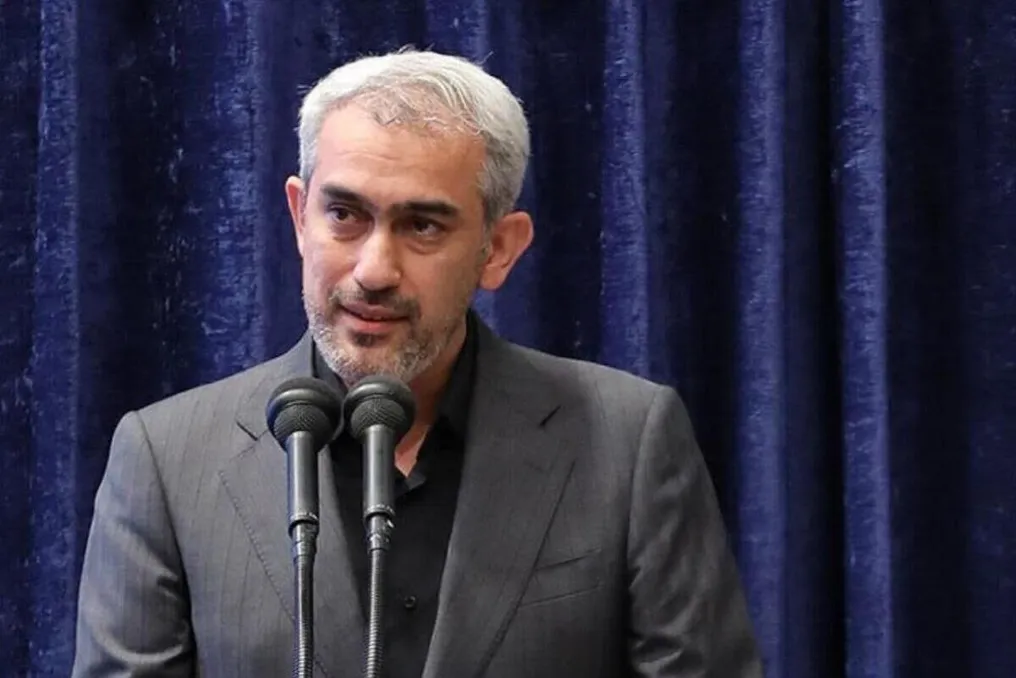
The Minister of Economy and Finance stated that a significant part of the current problems has its roots in pre-war conditions, emphasizing that modern economic difficulties cannot be analyzed with simplistic schemes. He cited an example of an attempt to halt the import of medicines into the country, which subsequently caused medicine prices to rise despite efforts to find alternative routes.
According to IRNA, Seyed Ali Madani Zadeh noted that opponents are conducting a terrorist operation against Iran, similar to previous military actions that resulted in the deaths of civilians and children. He added that patients, including cancer sufferers, children, and infant formula are targeted in the sphere of economy and life support, and attempts are being made to block supply routes.
Affirming that Iran supports its people domestically and will not allow these actions to succeed, he declared that while the Islamic Republic of Iran does not seek war or have sought it, it will resist any attack—whether military or economic.
Madani Zadeh specified that in the diplomatic sphere, following the example during and after the war when the rights of the Iranian nation were restored through agreements, a similar approach is being used today. He stressed the firmness of the position and the intention to actively defend the country's economy.
The main priorities for the country's economy were named as controlling inflation, maintaining employment, and ensuring basic goods. The Minister noted that the government team is working on managing the economic situation and improving difficult conditions for citizens. The primary task is curbing price increases caused by the current shock wave.
Referring to the state of war (military, blockade, economic), Madani Zadeh warned that in such an atmosphere, certain tactics and information should not be disclosed, and some media personalities use the government's silence to undermine its authority.
He assured that the government has not abandoned the economy and fully supports the people and the economy. The main goal is reducing inflation, which is expected through divine will. Steps have been taken to prevent the crisis from negatively affecting trade and jobs, and the Ministry of Economy is working to protect existing positions by providing credit lines.
Madani Zadeh also reported that the government is assisting laid-off workers through unemployment insurance, and the purpose of commodity vouchers (Kala Barq) is to support people's lives. The priority is the welfare of the people and preventing empty shelves so that people do not feel scarcity; therefore, every minister has been instructed to take measures to eliminate market shortages.
The Economy Minister also emphasized the full coordination among members of the government's economic team, noting the absence of disagreements and minimal difficulties in reaching consensus, which only concern implementation issues. Country problems are identified and directed to the government's economic headquarters, where decisions are made with the participation of the President and his First Vice President.
Madani Zadeh continued that there is complete synchronization between the government's economic team and the heads of parliamentary economic committees. A meeting was held today where full agreement on the country's economic issues was reached, and the Parliamentary Economic Committee provided full support to the government's economic team.
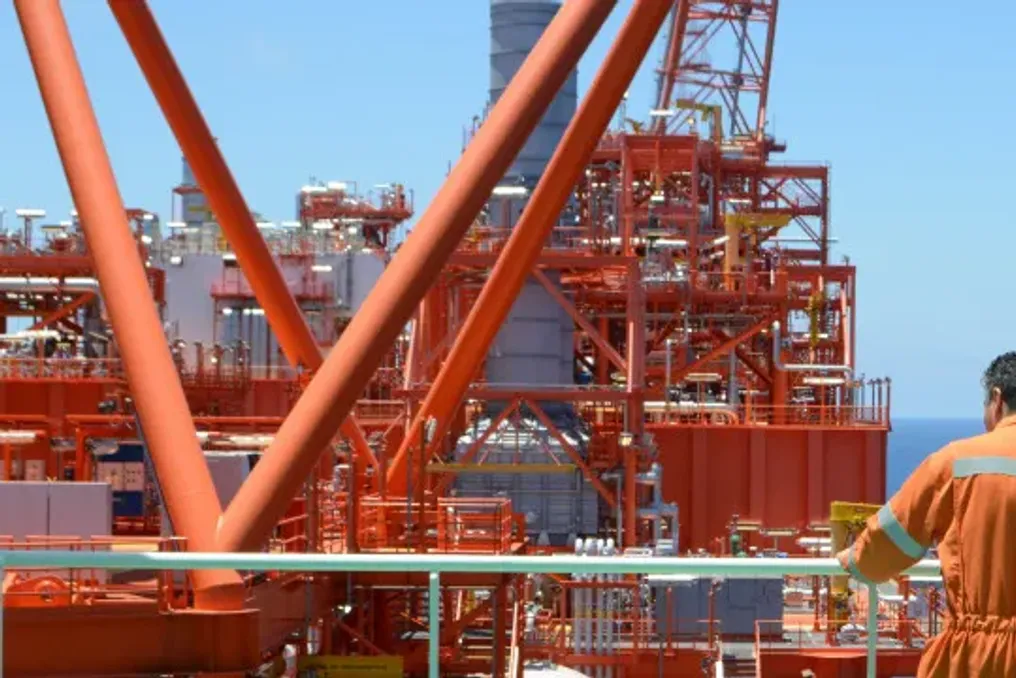
The Economy Minister stated that developing combined power plants and modernizing existing ones are key government plans to compensate for imbalances in the energy sector. Furthermore, capital and the private sector are being attracted to develop the industry, creating an economic basis for investment in power plant construction instead of relying solely on state funding.
Madani Zadeh noted that this approach has yielded significant results in renewable energy, especially solar power plants. Instead of directly financing all resources, the government has developed economic mechanisms to make investments attractive and open the way for new energy sources. Important measures have also been taken in the field of industrial fuel supply.
On the other hand, public cooperation in managing energy consumption played a decisive role. If consumption in some sectors grew by 6–7 percent annually in previous years, growth has stopped this year, and a decrease has been recorded in some areas, which is the result of public participation in energy-saving programs.
Stating that the government is implementing a seven-axis plan to resolve accumulated imbalances in various economic and energy spheres, he added that some of these imbalances have roots in the past, while others have been exacerbated by recent damage.
Madani Zadeh stressed that now, just as people cooperated in managing energy consumption, they are expected to participate in investment and economic reconstruction to accelerate the process of compensating for deficits and strengthening infrastructure using internal capabilities.
The Economy Minister also stated that the government's strategy is to transform threats and adverse conditions into opportunities for economic reform and strengthening. Any identified weakness or bottleneck has been placed at the center of reform programs.
Madani Zadeh indicated that one of the most important areas of reform is simplifying licensing, reducing production barriers, and optimizing trade. In this regard, measures have been taken in cooperation with government economic bodies, the Ministry of Transport and Urban Development, the Planning and Budget Organization, the Central Bank, the Ministry of Industry, Mining and Trade, and the Trade Development Organization.
He added that the package of measures to facilitate trade and remove production barriers has undergone expert evaluation and preliminary approval before being presented to the Cabinet. After final government approval, it is capable of bringing about serious transformations in the country's trade and the operation of production enterprises.
In addition, the Economy Minister mentioned that restrictive regulations in force during wartime have been identified and abolished, which has contributed to simplifying procedures. These cases were presented to the First Vice President, who suggested making them permanent because they helped solve problems and remove barriers during the war. Accordingly, he instructed the government team to develop a plan to solidify these measures.
Madani Zadeh also noted that a thorough expert review and coordination between various structures have been conducted during the deregulation process, and this issue is under government consideration. Good steps have been taken to eliminate investment barriers, which will be presented next week in the presence of the President.
The Economy Minister explained that the Investment Organization has taken interesting measures to remove production barriers and promote investment. One of the important actions during this period was the transformation of the 'Foreign Investment Organization' into the 'Iranian Investment Organization'—an body that, as the sole authorized entity in the investment sphere, is responsible for identifying and eliminating investment obstacles in the country.
He recalled that many rules in the country served as obstacles, slowing down the investment process. These barriers have been identified, and planning for their elimination is currently underway.
The Economy Minister stated that they understand the people's situation and are aware of the difficulties faced by citizens. He expressed gratitude to the people for their patience, noting that they have accepted economic hardships but will not tolerate humiliation. The government is making every effort to ease people's lives under these terrorist economic conditions and minimize harm, while striving to make the 'enemy regret its actions.'
Addressing public cooperation in resource conservation, Madani Zadeh called for participation in investments for the country's economic renewal. He noted that the help of elites is necessary for consulting on actions in the current economic situation. Opinions from economists, activists, Chamber of Commerce members, and artisans are constantly used in the Ministry of Economy. Since some ideas remain only concepts, elites must present implementable plans that will be utilized one hundred percent.
Emphasizing that they are not limited by any common global economic thinking, he asked the elites to help in better managing the country's financial and trade arteries. He urged economic activists to join the cause so as not to allow sanctions and pressure to succeed, and to help attract resources to compensate for the deficit caused by economic pressure.
The Economy Minister also explained that the economy functions within a socio-political context, and the more stable and secure this context is, the more opportunities there are for growth and economic stability. He added that external pressure and fluctuations exerted on this 'container' inevitably transfer to its contents. The government's economic team is working around the clock to ensure that the contents are least damaged despite the pressure and fluctuations.
Madani Zadeh stressed that it is impossible to promise specific figures or create expectations, but he pledged that the government's full efforts will be focused primarily on planning inflation control. They will not allow hyperinflation to occur, and then they will address lowering the inflation rate.
Pointing out that 'our monetary, currency, and banking plans are based on inflation control,' he reminded that the second priority of the economic team is supporting employment, followed by promoting the country's economic renewal.