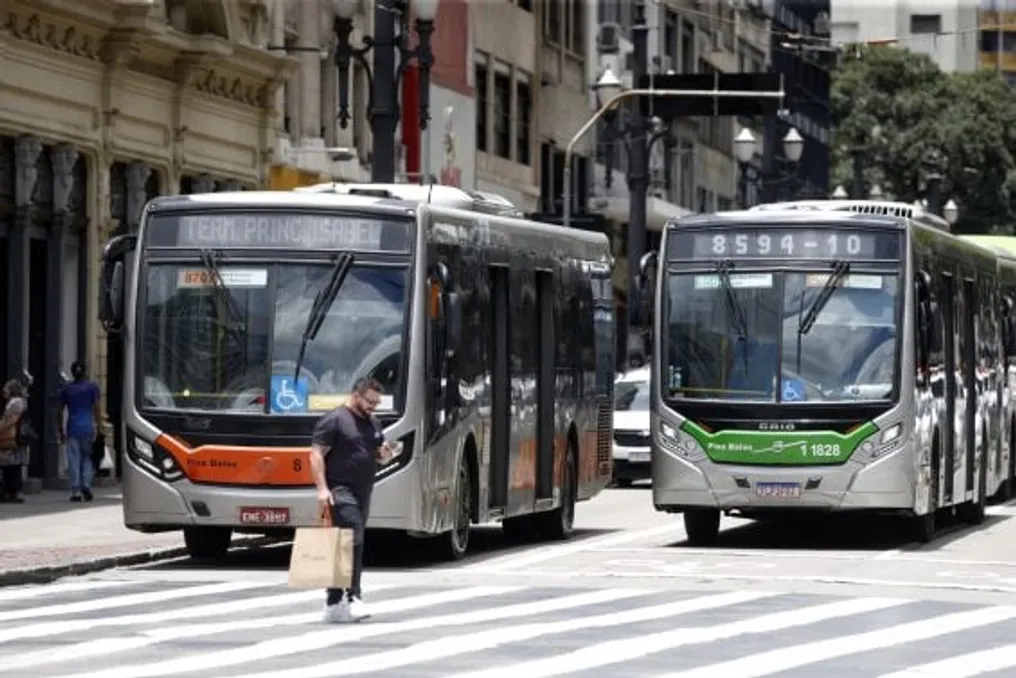
The Brazilian Ministry of Cities announced the creation of a new national platform during the NTU 2026 National Seminar. This platform will aggregate public transport operational data to monitor the use of public funds and assess service efficiency across the country.
This measure regulates the provisions of the Legislative Framework for Urban Public Transport (Law No. 15.432/2026) and allows the federal government to provide operational funding support provided established quality indicators are met.
Additional Information
The consolidation of this legislative framework officially distinguishes between the public fare (the price paid by the user) and the service compensation (the actual cost per passenger). The flexibility of this approach allows the financial gap to be covered by budgetary subsidies and non-fare revenues, making fares more affordable without compromising the financial health of contracts.
The implementation of the national system faces challenges related to local technical capacity. According to the Ministry of Cities, only 20.9% of municipalities with over 20,000 inhabitants that are required to have an Urban Mobility Plan possess such a plan. This figure rises to approximately 80% in cities with over 250,000 residents.
Experts emphasize that technological development must be accompanied by strengthening the institutional base of municipalities, prioritizing investment in infrastructure (such as dedicated lanes), and defining stable funding sources to ensure the long-term sustainability of public transport.