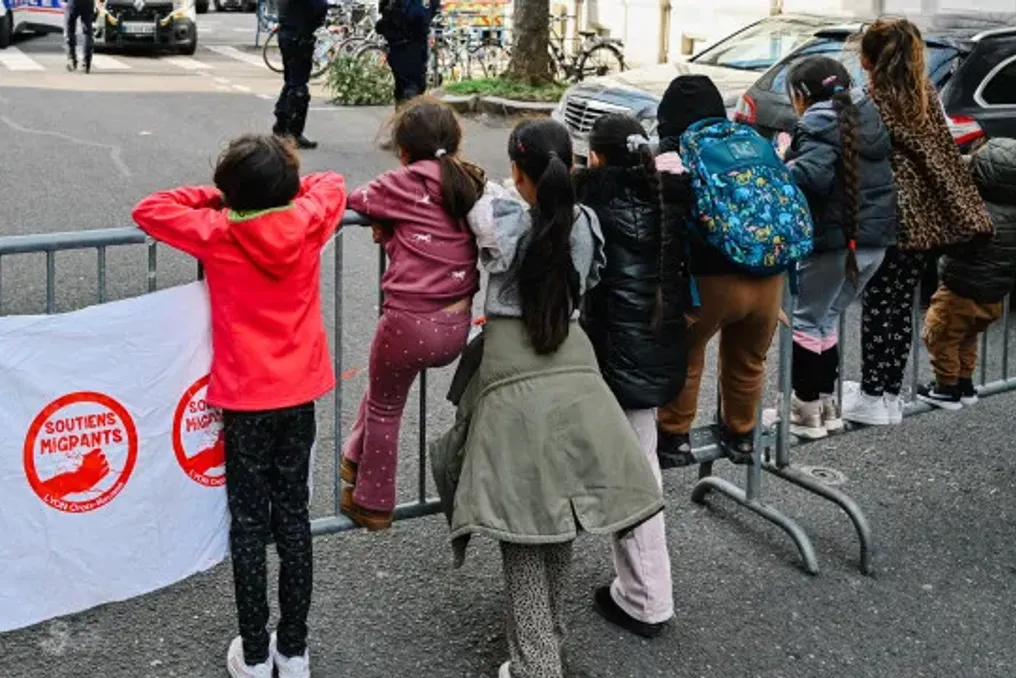
The non-governmental organization Federation of Social Actors (FAS) and the United Nations Children's Fund (UNICEF) indicated that the rise in the number of children living on the streets in France jeopardizes the French government's goal of 'zero children on the streets,' established in 2022.
The Chairwoman of UNICEF France, Adeline Hazan, emphasized the urgent need for intervention from public decision-makers, noting that political awakening is vital for these children. She questioned what the priority is if ensuring housing for all children is not one of them.
At least 2,355 children, including 514 children under three years old, remain homeless after contacting the hotline 115, which is intended for people in situations of homelessness. The organizations reported that the number of homeless children has increased by 9% compared to 2025 and by 42% since 2022, when the government reaffirmed the 'zero children on the streets' goal.
FAS and UNICEF specified that the figures presented are not exhaustive, as some families cannot contact the emergency line or prefer not to call. Furthermore, the count does not include unaccompanied homeless children, nor families living in illegal settlements or slums.
UNICEF France and FAS highlighted the dramatic consequences of homelessness on children's lives and well-being, including deterioration of physical and mental health, social isolation, vulnerability to violence, and difficulties attending school.
In 2025, 14 children under four years old and 12 teenagers aged 15 to 18 died on the streets. UNICEF France and FAS strongly called for the implementation of a large-scale social housing construction plan.
Last July, a report prepared by three general inspectorates found that the emergency accommodation program in France suffers from chronic underfunding and lack of oversight, hindering response to current needs.
Ahead of the 2027 presidential elections, FAS and UNICEF called for making the fight against the housing crisis among children an absolute priority in housing and accommodation policy.