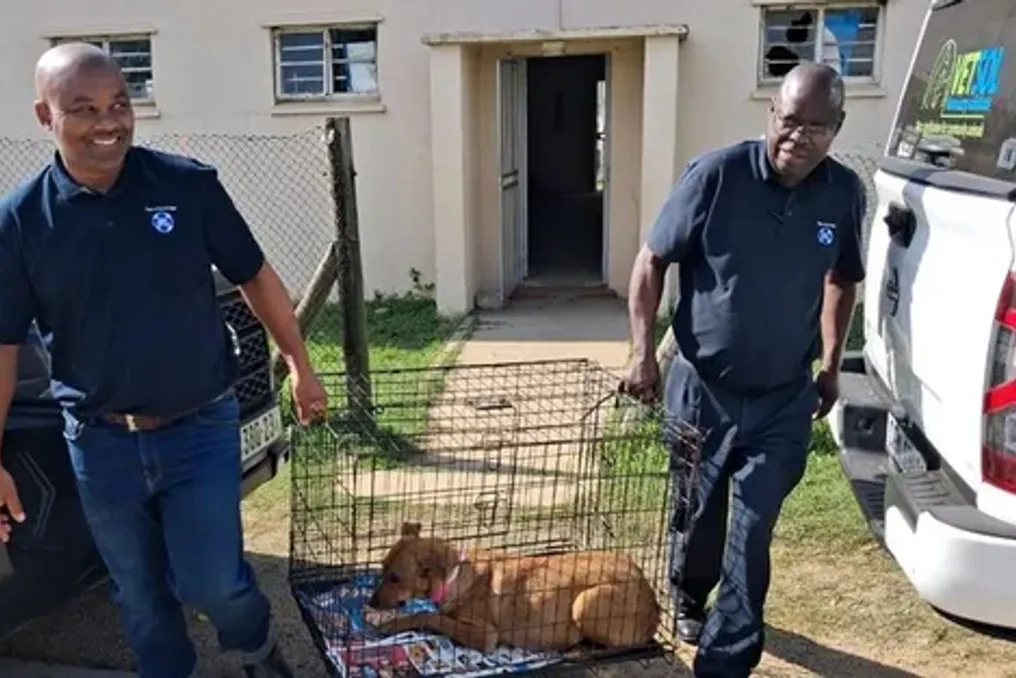
The City of Cape Town has reaffirmed its commitment to animal welfare and public health by allocating R850,000 to fund the next phase of the Mass Animal Sterilisation Project (MASP).
This long-term initiative will be conducted in partnership with the Cape Animal Welfare Forum (CAWF) and overseen by the Cape of Good Hope SPCA. Starting in September, the campaign is targeted at Subcouncil 11.
The goal of the campaign is to sterilise 1,500 domestic dogs and cats in the areas of Manenberg, Hanover Park, Athlone, and Heidelberg.
Since its launch in 2013, MASP has successfully sterilised 19,376 animals in vulnerable communities, including Dununn, Heylitsha, Atlantis, and Tafelberg, with a total municipal investment approaching nine million Rand.
The project aims to address animal welfare issues at their root by preventing unwanted litters and reducing the stray animal population, minimising cases of cruelty, neglect, and abuse, as well as improving overall standards of pet health and care and promoting responsible pet ownership through community humanisation education.
Seven registered animal welfare organisations are collaborating on the campaign in Subcouncil 11: the Animal Anti Cruelty League, Animal Rescue Organisation, Animal Welfare Society of South Africa, Cape of Good Hope SPCA, Manenberg Pets, People’s Dispensary for Sick Animals (PDSA), and Vetsol.
Fransin Hayam, a member of the city's Community and Health Committee, emphasised the broader social and medical benefits of this campaign. She stated: 'Sterilisation is not just about reducing the number of strays or unwanted litters; it also improves the health of pets and reduces homelessness and aggression.' She also urged residents to participate for the sake of their pets and their communities.
Welfare leaders noted that proactive sterilisation is vital for reducing the burden on local shelters and emergency veterinary services. Mkabuko Moyo Ndukvana, CEO of Cape of Good Hope SPCA, explained: 'Sterilisation is preventative, or 'upstream', work. It prevents litters that would otherwise arrive at our gates as strays, surrendered animals, or cases of cruelty, and reduces the pressure on our work at the shelter, hospital, and lower-level inspectorate.'
CAWF Chairperson Karen de Clercq added that continued municipal funding provides necessary support to pet owners who rely on protection services, helping to create significant change and improvement in Cape Town's neighbourhoods.