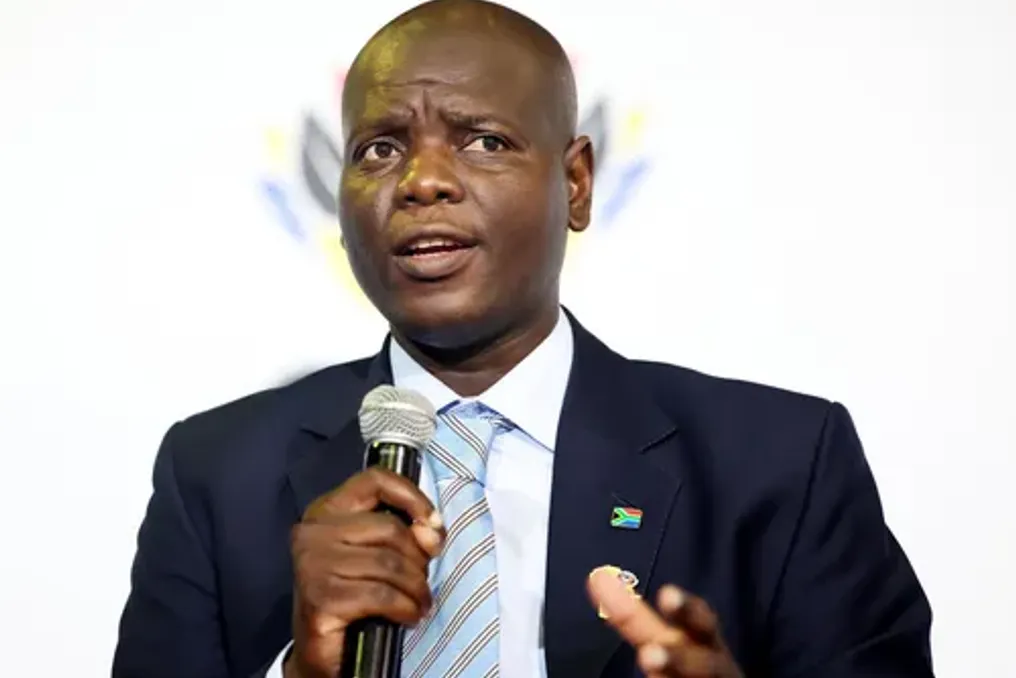
Minister Lamola calls for strengthening economic partnership between South Africa and Brazil
Read more
IOL
iol.co.za

Minister Lamola calls for strengthening economic partnership between South Africa and Brazil

Minister of International Relations and Cooperation Ronald Lamola strongly urged South Africa and Brazil to strengthen their economic interaction. He emphasized the need for the growing demand for critical minerals to contribute to the industrialization and prosperity of Global South countries, rather than repeating old resource extraction models.

These statements were made on Wednesday at the OR Tambo building in Pretoria during the 8th session of the Joint Commission of South Africa and Brazil. The event was attended by Brazilian Foreign Minister Mauro Vieira and other high-ranking officials.

Lamola noted that the Joint Commission was established as the main mechanism for managing bilateral cooperation and is a practical embodiment of the strategic partnership between South Africa and Brazil. He recalled that significant progress has been made since the last meeting of the commission in Brasilia in April 2024, including the signing of a Memorandum of Cooperation between ApexBrasil and the Department of Trade, Industry and Competition, as well as the adoption of the Tourism Action Plan for the period 2026–2029.

Furthermore, cooperation in agriculture and education was deepened, and interaction continued to develop in energy, science, technology, and mining.

Strengthening trade and investment ties

Lamola stated that the strong political relations between the two countries are underpinned by growing economic ties. He specified that Brazil is South Africa's largest trading partner in Latin America and its second-largest partner in the Americas. Trade volume between them in 2025 amounted to about $2 billion (R32 billion).

South African companies are present in Brazil in the pharmaceuticals, technology, mining, financial services, and chemical industries. In turn, Brazilian firms invest in South Africa's automotive and food production sectors. Lamola noted that South Africa provides Brazilian companies access to the rapidly integrating African market of over 1.4 billion people through the African Continental Free Trade Area.

At the same time, Brazil serves as an important gateway for South African companies into Latin America and the Caribbean. Lamola mentioned that the SACU–MERCOSUR Preferential Trade Agreement provides an existing platform for development, and the Joint Commission opens opportunities for market expansion, removal of trade barriers, and realization of partnership potential.

South Africa is also striving for more balanced and diversified trade. Both sides welcomed recent initiatives bringing business communities closer, such as the Export Mission to Brazil and the South Africa-Brazil Business Forum, demonstrating growing interest in commercial partnership and new investments. Lamola expressed hope for the soon conclusion of an Investment Promotion, Cooperation, Facilitation, and Protection Agreement, which would strengthen the foundation for mutually beneficial investments.

Tourism and global cooperation

Lamola reported that Brazil has become the ninth largest source of tourist arrivals in South Africa. Last year, nearly 65,000 Brazilians visited the country, bringing the number of arrivals close to pre-pandemic levels. This was significantly aided by a bilateral 90-day visa agreement and an increase in direct flights between South Africa and São Paulo.

As leading economies of their continents, Brazil and South Africa act as connecting links between the Global North and the Global South. In multilateral forums, they supported a common position on reforming global governance so that it better reflects the aspirations of the international community majority. They also expect to continue this cooperation in working towards the historic choice of the first female Secretary-General of the United Nations.

Both regional groups also agree on the urgent need to reform the global financial architecture. Lamola pointed out that 750 million people on their continent, more than half of Africa's population, live in countries where interest payment expenses exceed hospital and classroom expenditures. In Latin America and the Caribbean, many countries are also burdened by debt, with more than half of the population, about 350 million people, living in countries that spend more on debt repayment than on healthcare.

He noted that, as founders of the G20, Brazil and South Africa used this forum to closely examine these imbalances and promote specific reforms. Lamola expressed pride that South Africa took the baton from Brazil as the last of four consecutive presidencies of the Global South in the G20. During its presidency, South Africa placed inequality at the center of the global agenda, including the proposal to establish an International Commission on Inequality, which has since gained momentum.

He expressed deep gratitude for Brazil's support during South Africa's tenure and its unwavering moral support during a difficult period when South Africa's participation was unilaterally restricted.

Critical minerals and a new development model

Lamola stressed that their regions and countries are rich in minerals essential for the world's green future. According to the International Energy Agency, the demand for these minerals is likely to quadruple by 2040. As this demand grows, Brazil and South Africa have an important opportunity to work together to prevent the repetition of old extraction models, where Global South countries supply raw materials, but wealth and prosperity are generated elsewhere.

He stated that their countries are ideally suited to promote a different model—one in which minerals powering the green future also stimulate industrialization, skills development, technology exchange, and prosperity within their own societies. Lamola added that both countries have not hesitated to use their voice and soft power to draw attention to the problems and crises facing Global South countries.

He justified this stance by saying it is driven not by charity or altruism, but by the conviction that many problems faced by their societies cannot be solved by the actions of individual countries. Recently, both nations have also faced the need to resist unilateral approaches, defend their national interests, and protect democracies from external dictates. Lamola concluded that in a time when the multilateral system and the world are threatened by serious difficulties, joint efforts become even more important.

He emphasized that the partnership is built between two nations that understand that democracy and nation-building are always processes. South Africa and Brazil have learned these lessons from experience. Finally, he wished the people of Brazil success in the upcoming elections, expressing confidence in the strength and resilience of Brazilian democracy.
Similar stories

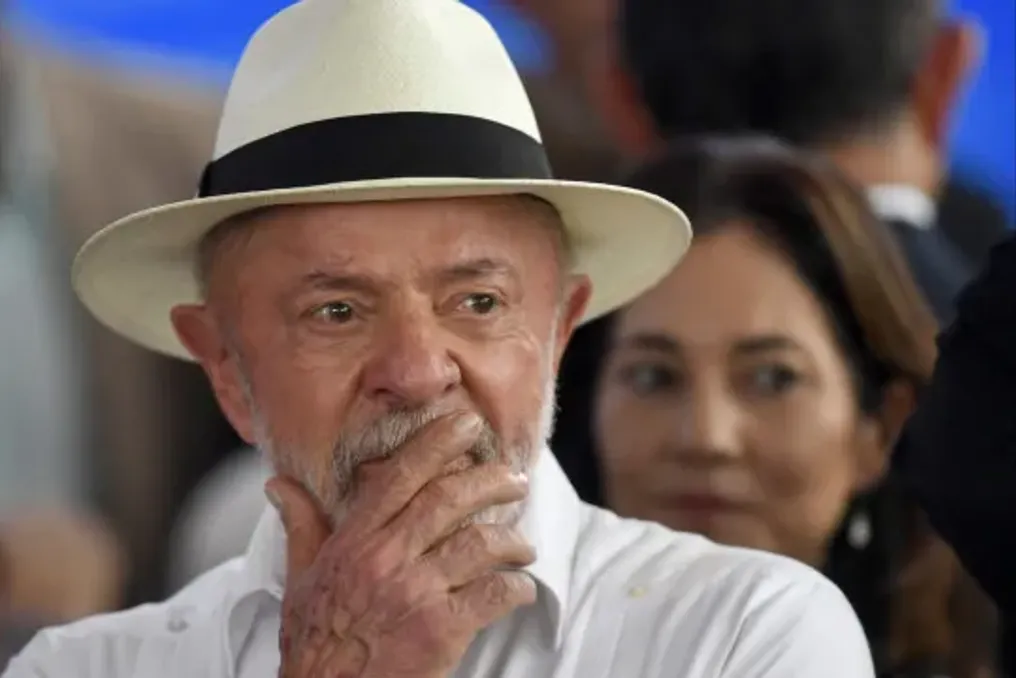
Lula expressed desire to expand Brazil-Turkey cooperation in the defense sector
Read more
noticiasaominuto.com

Lula expressed desire to expand Brazil-Turkey cooperation in the defense sector

Details of the phone conversation between the leaders of the two countries were released by the Palácio do Planalto in an official statement. According to this note, the heads of state also agreed to send a Brazilian delegation to Turkey, led by ministers from the Defense, Development, Industry, and Trade areas.

Lula and Erdoğan celebrated the recent approval, by the parliaments of both nations, of the Defense Industry Cooperation Agreement, as registered by the Brazilian Government. Furthermore, they decided to establish a Strategic Council, composed of vice-presidents, with the aim of drawing up a plan to deepen bilateral relations between Brazil and Turkey.

During the conversation, Lula da Silva and Erdoğan expressed regret over the continuation of conflicts in various regions of the globe. They emphasized the need to intensify dialogue to seek peaceful solutions in both Ukraine and the Middle East, according to the issued statement.

The Palácio do Planalto also highlighted that Lula accepted Erdoğan's invitation to participate in COP31 on climate change, an event that will take place in Antalya, Turkey, during November.

According to the Brazilian Government's foreign trade platform, consulted by Lusa, the main items exported by Brazil to Turkey include soybeans, raw cotton, iron ore and concentrates, unroasted coffee, corn, cellulose, and beef.

In the period between January and July of this year, Brazil exported US$ 3.4 billion, equivalent to 2.91 billion euros at the current exchange rate, to Turkey. This amount represents an increase of 29.6% compared to the same period in 2025. Imports, meanwhile, totaled US$ 718.1 million, approximately 615.6 million euros, in the same time frame.

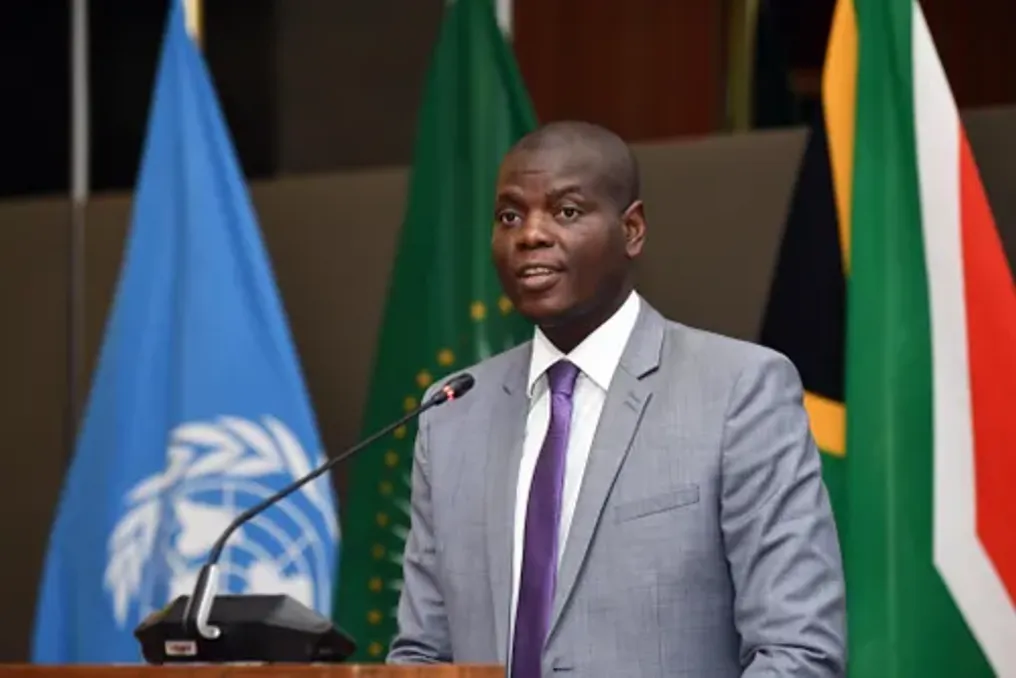
Roland Lamola announced South Africa's priorities during its chairmanship of SADC
Read more
iol.co.za

Roland Lamola announced South Africa's priorities during its chairmanship of SADC

Minister of International Relations and Cooperation Roland Lamola announced that South Africa will focus primarily on developing regional trade, infrastructure, industrialization, and the processing of critical minerals, taking over the chairmanship of SADC for the 2026–2027 period.

Lamola spoke in Durban on Wednesday, when South Africa officially assumed the chairmanship of the Southern African Development Community (SADC) at a Council of Ministers meeting. He emphasized that South Africa's priorities will be ensuring peace, security, and stability, accelerating industrialization, expanding regional trade, developing infrastructure, and strengthening social and human capital.

South Africa aims to boost regional trade

The Minister noted that South Africa's focus will be on transforming agriculture, processing critical minerals, increasing regional trade, and forming regional value chains. The SADC region holds nearly 30% of global proven critical mineral reserves, including about 50% of global cobalt reserves and 20% of graphite reserves.

Nevertheless, Lamola stressed the need for the region's wealth in minerals to contribute to economic and social progress, rather than continuing a model where resources benefit economies outside the region. He stated that changing this trend requires processing domestic resources, creating regional supply chains, and increasing trade between countries.

Currently, trade between SADC countries accounts for only about 20%, which Lamola believes is insufficient given the region's potential. He mentioned that the African Export-Import Bank assessed the untapped potential of intra-African trade at $84 billion in 2018, of which the SADC region accounted for $53 billion. Lamola assured that during his term, the goals of the Scucuce summit would be realized to achieve a 50% share of intra-regional trade and utilize critical minerals for local processing.

Infrastructure and jobs are key SADC tasks

Infrastructure development will also be part of the priorities as South Africa seeks to modernize and expand the systems connecting the region's countries. This includes ensuring reliable energy, efficient transport corridors, modern ports, integrated digital networks, and stable water supply systems. Lamola emphasized that without these foundations, regional production expansion is impossible.

He noted that production currently accounts for only 10% of GDP and cannot generate jobs on the scale required by the region. Furthermore, South Africa's agenda will include the development of social and human capital, especially considering Africa's young population. The average age in Africa is 19 years, and almost 60% of the population is under 25. Lamola predicts that by 2030, one of every four young people globally will come from Africa, so the economy and job creation must match population growth.

Priorities will also be based on gender equality, climate change resilience, and disaster risk management. Lamola insisted that these aspects must permeate all elements of the regional program, as development cannot be inclusive if it ignores gender issues, leaves youth behind, or fails to prepare communities for climate and other shocks.

Lamola calls on SADC states to support orderly migration

The issue of migration is also expected during South Africa's chairmanship. Lamola reported growing public discussions in South Africa regarding irregular migration, the integrity of state borders, access to economic opportunities, and pressure on communities and state institutions. Acknowledging citizen concerns, he rejected vigilantism and human rights violations, stating that solving issues related to irregular migration must be done within a legal and orderly approach.

He added that migration cannot be viewed solely as a security issue, as the movement of people across the region is also linked to economic opportunities and employment. Lamola cited the example of Durban, noting that the country's industrial development significantly benefited from a large labor pool from the region and beyond. The Minister urged SADC member states to sign a protocol on the free movement of people to ensure regular and orderly migration, expressing hope for a joint search for comprehensive solutions to the region's migration problems.

Peace, security, and stability will remain key tasks during South Africa's tenure as chairman. Lamola stressed that the security of one state is inextricably linked to the security and stability of the entire SADC community. He recalled the rich history of the regional bloc in collective response to threats to peace and security, asserting that regional solidarity remains the greatest strength in resolving emerging political and security challenges.

South Africa assumes the chairmanship amid great power competition, rising external shocks, climate disasters, the threat of pandemics, and the internal focus of developed economies. SADC must ensure that its regional development framework leads to an improved quality of life for its population. Lamola called for this moment to renew commitment to bridging the gap between ambitions stated in regional documents and the capacity of institutions to implement them. He also noted that South Africa recognizes its responsibility as the region's most industrialized economy to contribute to regional integration and common prosperity, approaching the chairmanship with humility, determination, and a willingness to work with all member states.

Popular