According to a document from the European Digital Media Observatory, disinformation identified in Europe in July followed a recurring pattern, focusing on events and crises actively discussed in the news and social media.
Thirty organizations belonging to the EDMO fact-checking network in the European Union and Norway published a total of 1397 fact-checking articles in July. Of this total, 119 articles (8%) concerned disinformation related to Ukraine; 109 articles (8%) were about immigration; 104 articles (7%) were about climate change; and 97 articles (7%) were about health issues (excluding COVID-19).
Disinformation related to the European Union (EU) accounted for 87 articles (6%). Among these, 39 articles (3%) were linked to the crisis in Palestine, 25 articles (2%) to LGBTQ+ and gender issues, 22 articles (2%) to COVID-19, and 22 articles (2%) to the war between Israel/USA and Iran.
During July, following trends from previous months, the two most frequently addressed topics of disinformation remained the war in Ukraine and migration, although the share of fake news on both issues decreased by two percentage points compared to June 2026. Nevertheless, an increase in disinformation regarding migration is predicted for August due to the crisis in Ceuta, which began on July 30 of this year.
As is often the case in summer, the share of fake news and climate change denial theories increased. Thus, in July, the percentage of disinformation on these topics rose by three points, becoming the third most discussed topic of the month. The share of fake news related to the EU also increased by one percentage point and, according to the report, is on the rise after a decline in March 2026.
The share of disinformation on other tracked topics in these bulletins remained stable, showing only minor fluctuations. According to the document, many of these events were not new or unforeseen, such as 'it often happens in the summer months marked by heatwaves,' where most disinformation focused on climate change, spreading denial and conspiracy theories, and using uncontextualized images as clickbait to exaggerate the effects of the heat.
In June, disinformation related to the FIFA World Cup had already become viral, a trend that continued into July. In the Western Balkans, as expected, the anniversary of the Srebrenica genocide triggered new waves of disinformation.
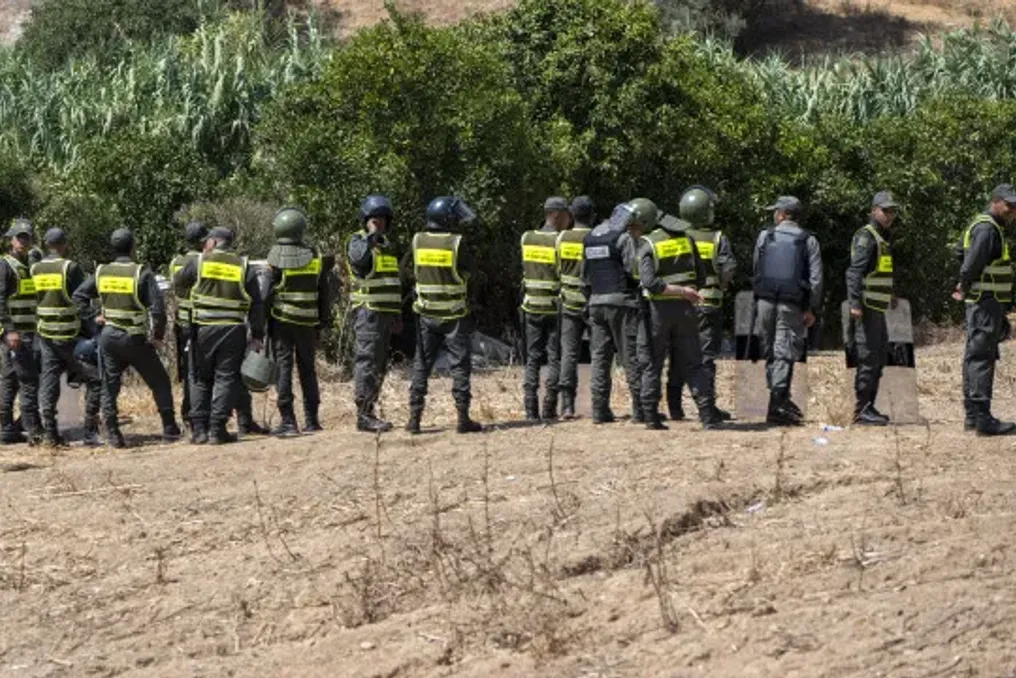
However, in the last 48 hours of July, the situation changed due to an unexpected crisis: the arrival of about 70,000 migrants from Morocco in the Spanish enclave of Ceuta caused a huge wave of disinformation in Europe, which was largely fueled by false content circulating in the African country itself.
The Observatory notes that although the migration wave was not provoked by a 'single agent—foreign or domestic—with a specific goal of creating a crisis in Europe,' it is evident that many participants immediately took advantage of this situation to promote disinformation narratives aligned with their interests: sowing discord, promoting extremism, dividing European societies, attacking political opponents, and other actions.
EDMO also emphasizes that with proper infrastructure—based on cooperation between fact-checkers from different continents and reliable monitoring capabilities—such phenomena could have been detected in advance and possibly even partially prevented.