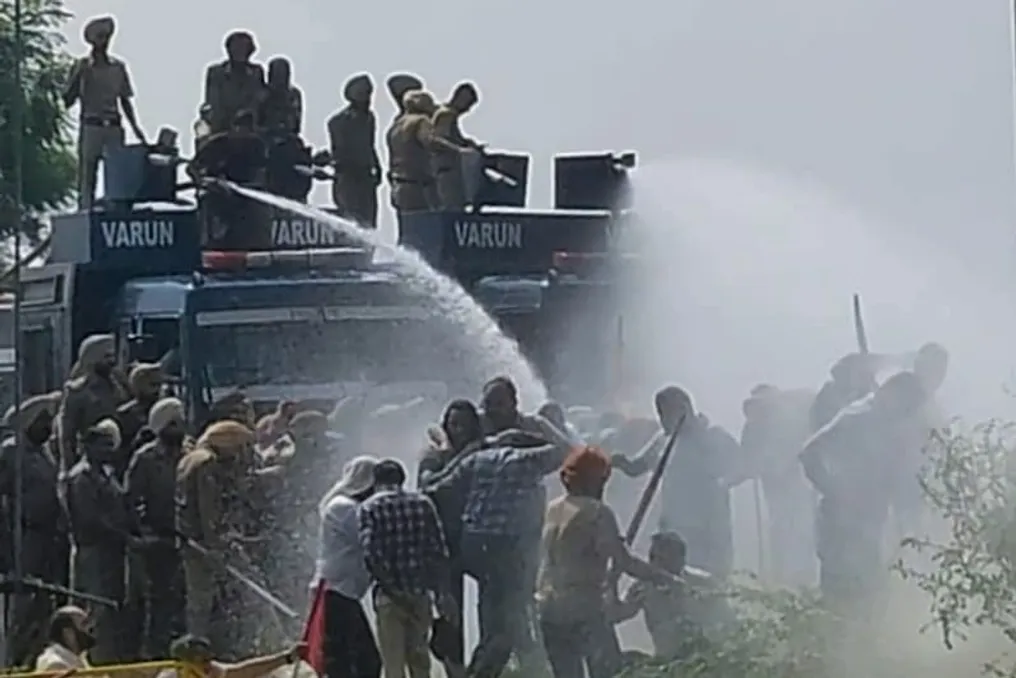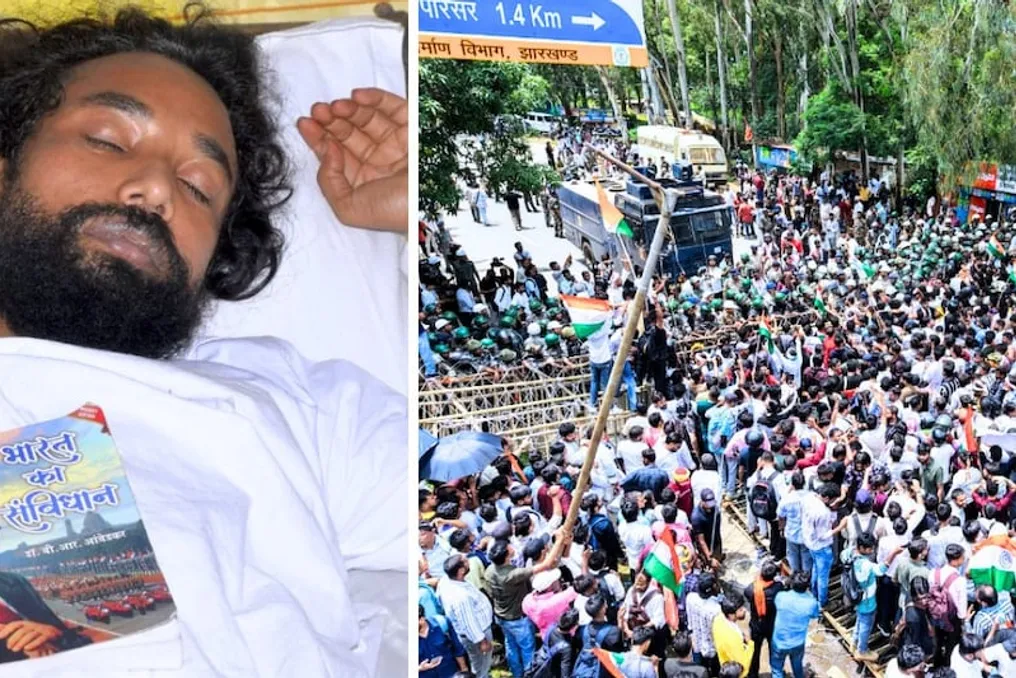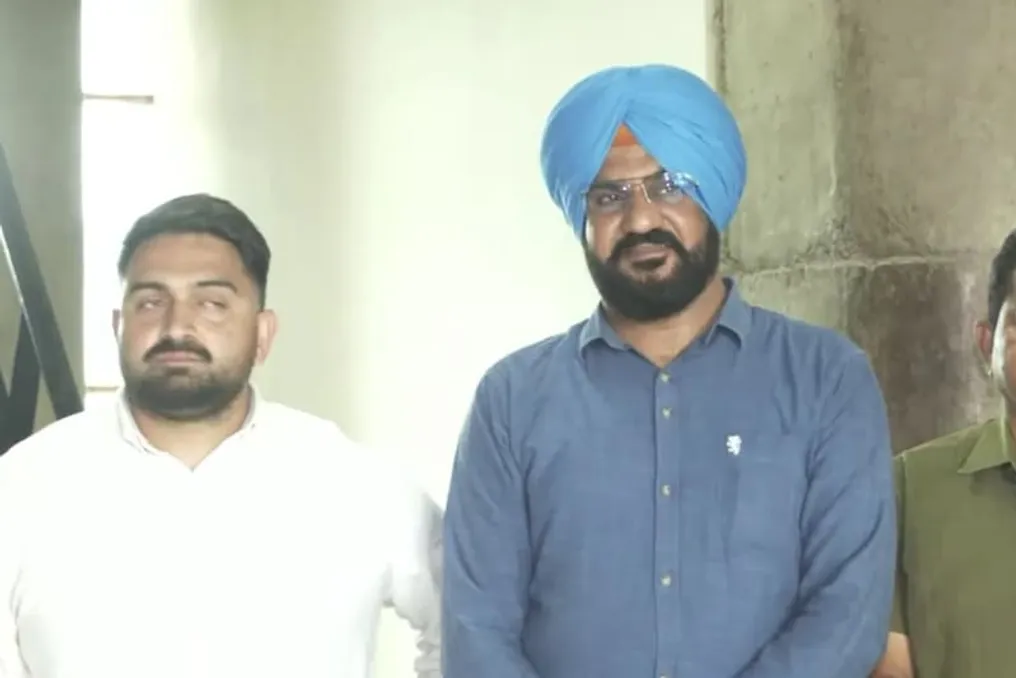
Before the upcoming assembly elections in Punjab, the unsatisfactory situation of nearly seven lakh government employees and pensioners has become a major challenge for Bhagwant Mann's government. The Saajha Mulazim Morcha has announced that government employees of Punjab will go on a statewide strike on August 27. Employees and pensioners have warned the Punjab government that if their demands are not addressed, their families and relatives will not vote for the ruling party during the elections.
CM Mann's government has offered to negotiate with the striking employees and their leaders to hear their demands. Sukhchain Khaira, convener of the Saajha Mulazim Morcha, stated that the Dearness Allowance (DA) has been provided based on the High Court's order. Their main demands are the restoration of the old pension scheme and the regularization of contract workers. He also informed about the talks held with CM Mann's OSD on August 7.
Sukhchain Khaira mentioned that the CM's OSD set the date of August 27, although they wanted an earlier date. He warned that if their demands are not accepted, they will politically ensure that the Aam Aadmi Party (AAP) loses the election. Sukhchain Khaira expressed gratitude for the opposition's support for the strike.
Employees have announced that the Civil Secretariat, OPDs, government transport services, and health centers will remain closed on August 27; however, emergency services are exempt from this strike. Amarinder Singh Raja Wadding, President of the Punjab Congress, supported the employees' strike, stating that the entire Congress party stands with them and will participate in the protest. The Punjab Congress President stated that he has instructed all district presidents to meet with the Deputy Commissioner and submit a memorandum on behalf of the employees. He warned that if the Mann government does not accept the employees' demands, the Congress will prevent the CM and his ministers from speaking on public platforms. Amarinder Singh Raja Wadding emphasized that the old pension scheme must definitely be restored, as this government made false promises and did not implement the issued notifications.
Manpreet Ayali, a leader of Waris Punjab De, also fully supported the call for the employees' strike, protest, and shutdown. Meanwhile, Keval Singh Dhillon, President of Punjab BJP, said that the party's Punjab unit strongly supports the massive strike against the non-payment of pending Dearness Allowance. He also mentioned that the High Court had already ordered the payment of pending DA, and the Division Bench had rejected the government's appeal.
The Punjab BJP President further stated that the Aam Aadmi Party government under Bhagwant Mann is repeatedly ignoring the legitimate rights of employees and pensioners despite judicial orders and is now facing contempt proceedings. He also demanded the immediate full payment of the pending DA.
Tarunpreet Singh Sound, a cabinet minister of the Punjab government, claimed that Bhagwant Mann's government is the only government among 28 states and 8 union territories to bring an ordinance to abolish the contract system. He stated that the bill related to this was passed in the assembly and enacted into law. Tarunpreet Singh Sound also said that the Mann government is keeping all contract workers on a contractual basis, which he called a significant step. He also informed that essential category employees, without whom work is impossible, will be transferred from outsourcing to contractual employment within a maximum of 7 to 10 days. However, Tarunpreet Singh Sound or any other minister did not comment on the remaining demands of the striking employees. It is noteworthy that due to the employees' strike, the Civil Secretariat, hospital OPDs, government transport, and health centers will remain closed.
Punjab employees are demanding the restoration of the old pension scheme along with the payment of installments of the pending 18 percent Dearness Allowance (DA). The employees demand the implementation of the Assured Career Progression Scheme (4-9-14), regularization of employees working under contract, outsource, and temporary arrangements, and resolution of salary discrepancies along with withdrawn allowances.