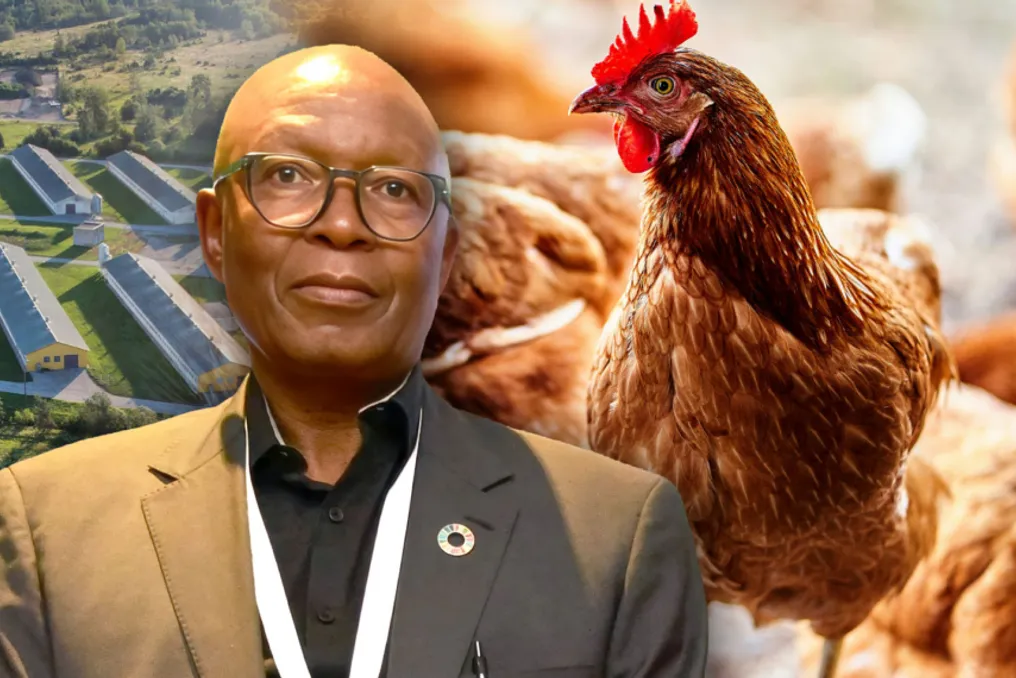
Ishmael Sunga, CEO of Sacau, argues that the significant transformation of South Africa's poultry industry requires more than just general support for emerging farmers. He insists on the necessity of structured bilateral engagement with major poultry producers and supplier brands to define the financial, monetary, and policy incentives that would make the inclusion of small and medium enterprises (SMEs) commercially viable.
South Africa must approach large suppliers with the question of what incentives will ensure real SME participation, and then develop appropriate guarantees to implement this idea. Although South Africa talks a lot about agricultural transformation, the poultry sector clearly demonstrates both the potential and the complexities of these ambitions.
Chicken is the most accessible source of animal protein in the region, which is critically important for food security, employment, and agribusiness. Nevertheless, small and medium producers who should be part of this growth remain on the periphery of formal value chains.
The traditional answer—demanding more support for new farmers—is necessary, but it is no longer enough. The more complex question is what will compel large poultry producers and supplier brands to intentionally open parts of their systems to reliable SMEs—not as an act of charity or PR activity, but as commercially rational partners in a transformed poultry economy. This is the dialogue South Africa needs right now.
National and regional efforts to develop the poultry industry rightly focus on expanding local production, stimulating demand, supporting trade, strengthening regulation, and deepening transformation. However, the next stage is more complex: turning transformation from a political aspiration into an operational model within the value chain.
The poultry value chain has high demands: it requires reliable feed, day-old chicks, veterinary control, biosecurity, electricity, working capital, access to processing, cold chain, quality assurance, and predictable market access. Many SMEs fail not due to lack of ambition, but because they have to compete in a system whose infrastructure, standards, and market channels are already controlled by established players.
This is why large suppliers play a key role. They already possess brands, logistics, technical systems, processing capacity, and market connections. If these capabilities can be leveraged for contract farming, raw material supply, shared infrastructure, technical mentorship, and preferential procurement, emerging producers can move from the periphery to genuine commercial participation.
However, the government and development partners must avoid the temptation of developing a package of incentives in boardrooms and then selling it to the industry. A wiser approach is to directly ask producers: what financial and monetary incentives would make meaningful participation plausible, sufficient, and administratively feasible?
This question should be raised in structured bilateral inquiries to major producers and supplier brands. It is necessary to find out what will actually change behavior: tax breaks for investments in proven enterprise development; accelerated depreciation for shared SME infrastructure; VAT or tariff exemptions on approved production and biosecurity technologies; subsidized financing; interest rate subsidies; partial credit guarantees; first-loss mechanisms; working capital windows; co-financing; or production cycle financing tied to purchase agreements.
The point is not to give large companies a blank check. On the contrary, incentives must be earned, verified, and time-limited. They must be tied to measurable commitments from the supplier: number of supported SMEs, volumes of procurement, provided infrastructure, technical services rendered, jobs created, biosecurity standards met, and production outcomes achieved.
Another incentive deserving more honest attention is the reduction of political risks. Large poultry companies operate in a politically sensitive sector. They face public pressure regarding prices, imports, jobs, transformation, food security, and market concentration. Visible support for integrating reliable SMEs allows them to build reputational capital, strengthen their social license, improve trust with the government and public, and position themselves as partners in national development, rather than targets of suspicion.
This political risk mitigation capital is not soft or sentimental. It has real business value. It can reduce confrontational political pressure, improve the quality of government interaction, and create a more stable environment for investment. In a sector prone to disease outbreaks, trade disputes, import pressure, consumer accessibility issues, and transformation expectations, stability is not a luxury, but an asset.
Admittedly, incentives carry risks. Poorly designed fiscal benefits can leak. Subsidies can distort markets. Administrative complexity can destroy good intentions. Large suppliers may capture benefits without changing real outcomes for SMEs. These risks are real, but they are not an argument against action. They are an argument for better design.
Guarantees are not a mystery. Incentives must be linked to audited expenditures and independently verified benefits for SMEs. They must include termination clauses, requirements for joint investment, transparent reporting, clear eligibility rules, and simple administrative procedures. Support should decrease over time as commercial relationships mature. Contracts between large suppliers and SMEs must be transparent, fair, and backed by grievance redress mechanisms.
Bilateral inquiries must be direct and practical. Would suppliers support a contract farming model? What infrastructure could be shared? What risks would they not bear without state or partner financial support? What incentives would change internal business logic? What conditions would prevent abuse? What would make SMEs creditworthy? What would constitute fair return for public support?
If the answers show sufficient interest, South Africa can proceed to a carefully designed pilot. If not, policymakers will at least learn something important: which incentives are unrealistic, which risks are exaggerated, and where the real bottlenecks lie.
The poultry sector does not need rhetoric about transformation that collapses at the farm gate. It needs practical agreements that align commercial incentives with national development goals. Large suppliers must be called upon to state what they require. Government and financiers must be ready to listen—and equally ready to insist on accountability.
The reward is worth pursuing: a poultry industry that increases local production, protects jobs, expands ownership, supports emerging producers, and strengthens food security. But this will not happen through whims. It will happen when those controlling the systems are involved in serious negotiations about what they can contribute, what they need in return, and how the public interest will be protected. This conversation must start now.