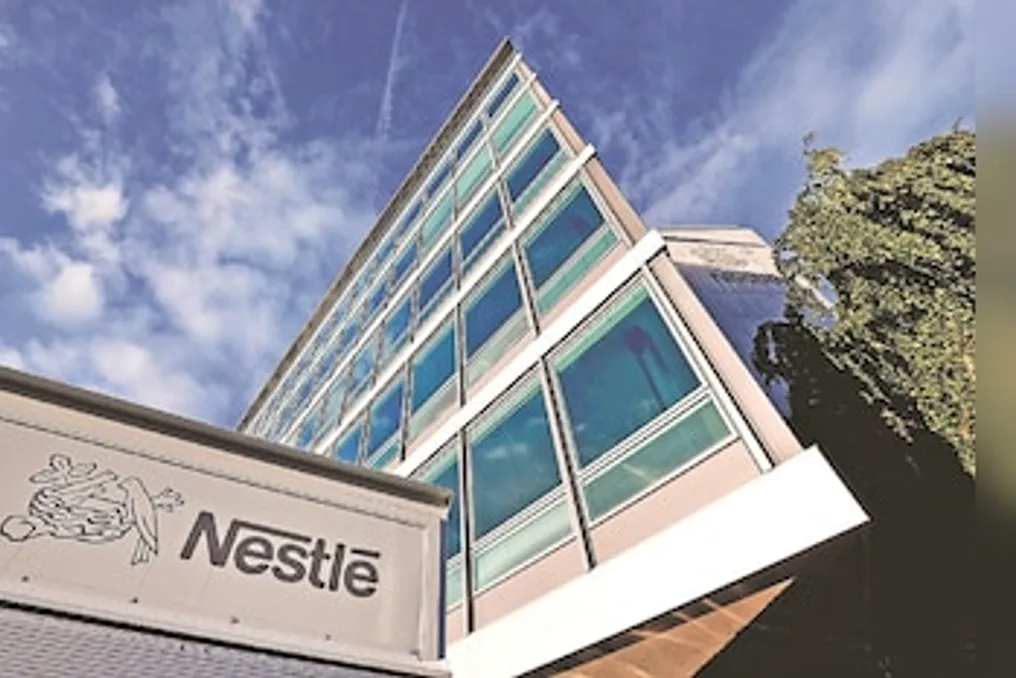
The CEO of the Swiss food and beverage giant Nestlé SA, Philippe Naevratil, announced on Wednesday that India's entry into the company's top five global markets is 'on the horizon.'
Naevratil, while in India, emphasized that the Indian market is 'very attractive' to Nestlé, and the company anticipates growth driven by increased volumes, supported by investments. He added that Nestlé sees 'many opportunities for growth' in India.
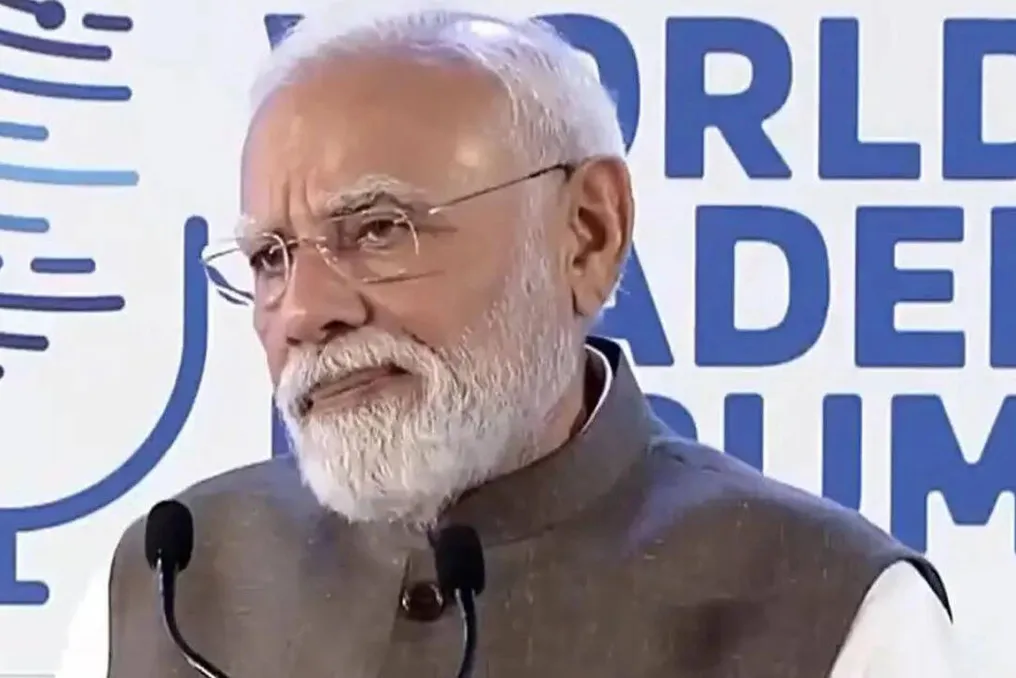
The company already considers India one of its ten markets and notes that it demonstrates the best growth performance among all groups. Naevratil stated at a special press roundtable: 'India, from a growth perspective, is one of the group's leaders and was the most high-performing market in the first half of 2026. It is in the top 10 markets, and there are still opportunities for development here. The top five (in terms of revenue contribution) are definitely on the horizon.'
Responding to questions about the timeline for achieving this status, he clarified that this goal is in the near term, not the distant future. He added: 'The top five are definitely... it's on the horizon. It's not something that will happen in 20 years. It's on the horizon. And the team is working on it.'
According to Naevratil, India is one of the strongest growth drivers for Nestlé in emerging markets due to its wide reach and ability to effectively meet consumer needs. He attributed this to several factors, including deep product penetration, as well as trends observed in India, such as the growing middle class and urbanization.
Furthermore, Nestlé, the producer of popular brands like Maggi, Kit Kat, and Nescafe, aims to increase exports from India and turn it into an export hub for other global markets. Naevratil noted that Nestlé India currently exports to about 30 countries, and this figure 'could be bigger and better.'
He stressed that the company must view India more actively as a manufacturing hub for exports. He also pointed out that India's scale ensures that investments in factories will quickly reach full capacity, making it a good place for investment.
In the June quarter, Nestlé reported strong double-digit growth in its global reports, calling it 'very, very strong,' and noted that it became a growth driver for the Asia, Oceania, and Africa (AOA) region. Naevratil added that there are many opportunities in both the high-value goods segment and the premium segment, making this one of the group's main priorities.
Although Naevratil did not disclose specific figures for investments in India, he stated that they would be higher than in other markets. He assured that investments in India would be stable, and since India is growing faster than the group average, investments in the country would also exceed the average. He concluded that the company is interested in India's long-term potential and will not hesitate regarding necessary investments.
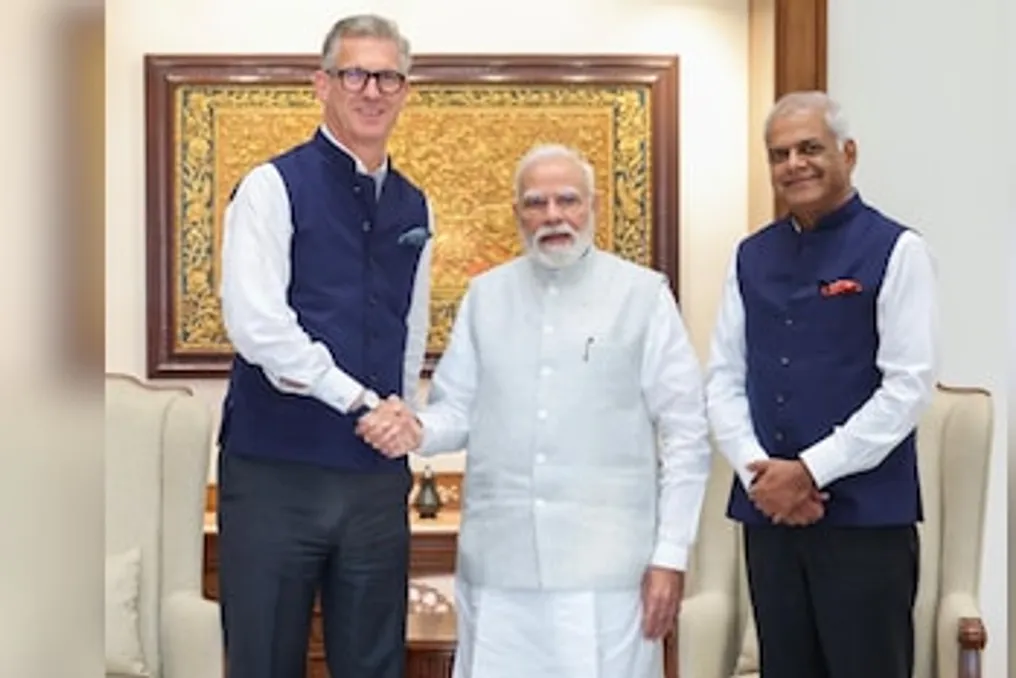
Nestlé, which operates nine production facilities with a tenth plant under development in Odisha, announced investments of 500 billion rupees in India in 2022. Naevratil, who became CEO of the Swiss multinational corporation Nestlé SA on September 1, 2025, also met with Prime Minister Narendra Modi along with the company's head in India, Manish Tiwari. During this meeting, the company's further commitment to India and its contribution to the country's growth and development agenda were discussed.
The company has defined five priorities for its work in the country, including forming the right portfolio that serves as a basis for stimulating growth; improving efficiency; developing a culture of performance and growth orientation based on real internal growth (RIG). Naevratil explained that RIG-based growth includes volume growth, meaning serving more consumers daily, penetrating more households, and pricing that allows for portfolio premiumization while ensuring accessibility and value for consumers of all segments.
However, he warned that Nestlé would not sacrifice product quality or speed to achieve targets, referencing the company's approach developed over 114 years of presence in India. Naevratil emphasized: 'We are a food company. For us, product quality will always be paramount; we will always put the consumer at the center of our activities... And consumers go with us, which is important. We need to take consumers along.'