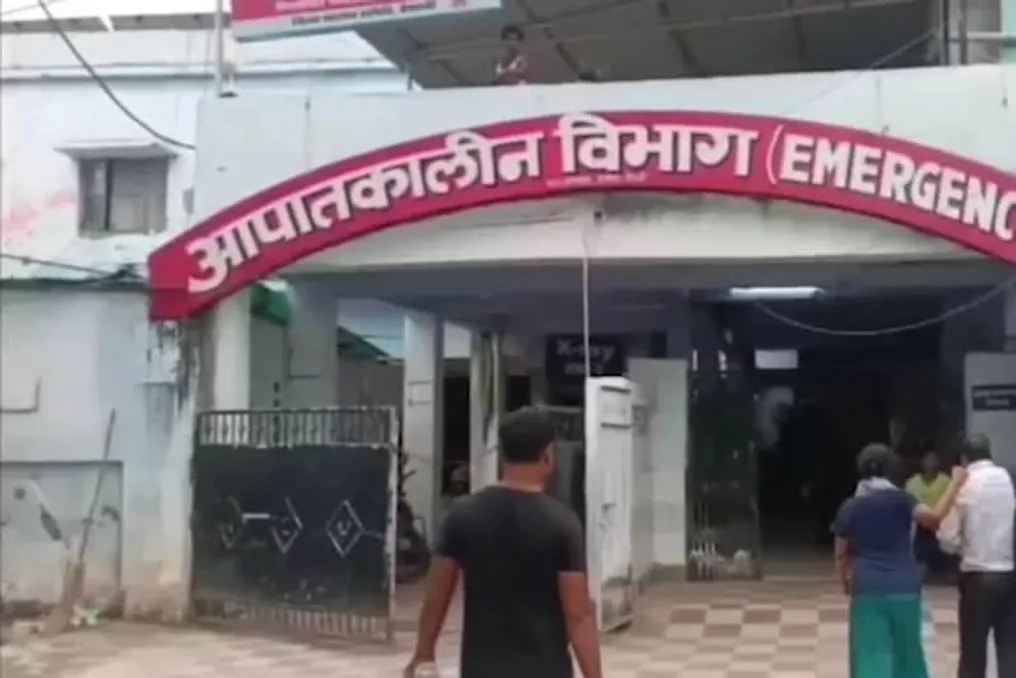
Despite the ban on alcohol sales in Bihar, the problem of drug use has not disappeared. Recent data from Hajipur has raised serious concerns within health authorities. According to reports, more than one hundred young people have been discovered in the last one and a half to two months who have tested positive for HIV.
Most of these cases involve youth aged between 25 and 30 years old. According to information from the health department, these cases are linked to intravenous drug use and the shared use of the same syringe. This indicates that the problem extends beyond simple substance abuse, as syringe exchange increases the risk of infection not only with HIV but also with other blood-borne infections.
There is an assertion about the rise in the consumption of surrogate drugs in Bihar. However, additional conclusive statistical data is required to establish a direct link between the alcohol ban and these HIV cases. Nevertheless, the problem facing the health department is very real: it is necessary to reach people who use drugs intravenously and protect them from infection.
According to Dr. Ajay, a district AIDS control specialist, most HIV cases are found in rural areas and in the Diyara region, which causes particular alarm for the department. The risk of infection significantly increases if people who use drugs intravenously share the same syringe. If a person has HIV in their blood and the syringe they used is passed to another person, the virus can be transmitted through infected blood.
For this reason, the health department has focused its attention on high-risk areas. Furthermore, checks are not limited to these zones; screening camps are also organized in other locations to identify as many people as possible. The health department notes that while having HIV does not mean the end of a person's life, treatment and care are available. With timely diagnosis and proper treatment, infected individuals can live long and healthy lives. The problem worsens when a person is unaware of the infection and continues to engage in risky behavior.
The goal of the health department, as explained by Dr. Ajay, is to prevent the infection from becoming a widespread problem. To achieve this, the number of screening camps is being increased, and special monitoring is being conducted in high-risk areas. It is also crucial to reach those who inject drugs. Since HIV testing alone is insufficient if factors like syringe exchange persist, the risk of infection will remain high.