The exhibition titled 'Uzbekistan: Heritage in Motion,' dedicated to the more than thousand-year artistic and cultural history of Uzbekistan, is scheduled to open in Doha on September 3, 2026. The exposition will run until November 28, 2026, at the Sheikh Saoud Al Thani Temporary Exhibition Gallery, located in the Museum of Islamic Art in Qatar.
The exhibition is organized by Qatar Museums in collaboration with the Fund for the Development of Art and Culture of Uzbekistan. The exhibition features 146 items sourced from the collections of the Museum of Islamic Art, the National Collection of Qatar, the Lusail Museum, the National Library of Qatar, as well as 13 institutions from Uzbekistan.
The exposition covers the period from the 8th century AD to the present day, demonstrating the development of the country's artistic and cultural traditions. Special attention is paid to how the heritage of the Islamic era continues to manifest in modern Uzbek architecture, art, and folk crafts.
Key Exhibits
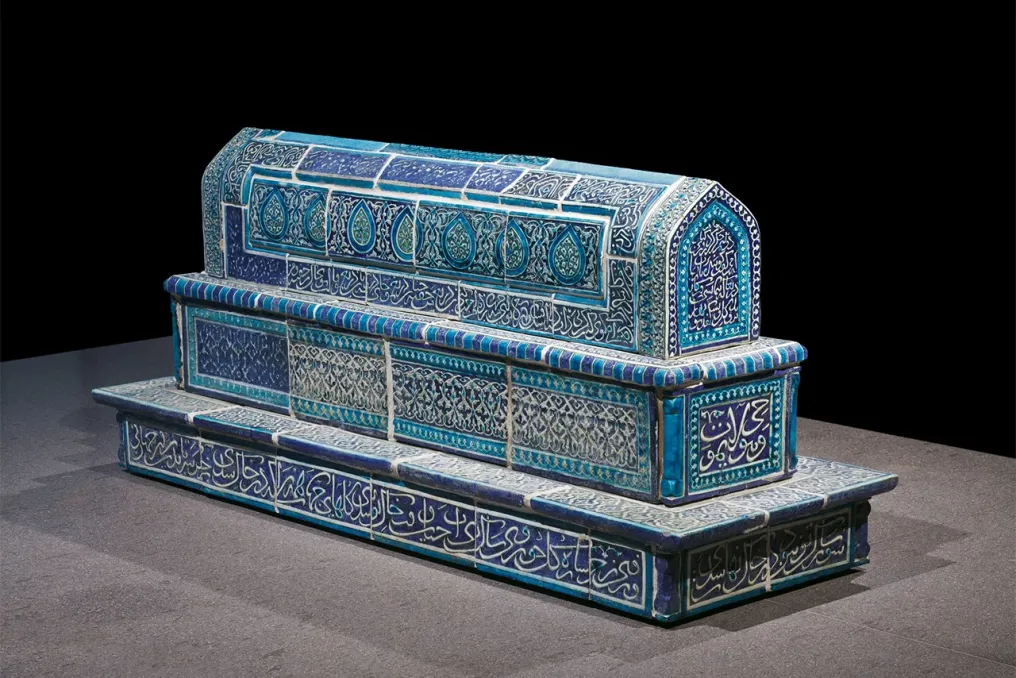
Among the key exhibits are 7th-century wall paintings from the Ambassador's Hall in Afrasiab, fragments of Timurid architecture, scientific manuscripts, ceramics, jewelry, and textiles. Visitors will also be able to view manuscripts on astronomy, medicine, and religion, a 15th-century astrolabe, and materials related to the scientific achievements of Al-Khwarizmi, Al-Biruni, and Ulugh Beg.
A significant part of the exhibition is dedicated to sericulture and traditional crafts, featuring early ikat robes, contemporary silk fabrics, and a functioning loom from the Museum of Applied Arts of Uzbekistan. The modern aspect of the exhibition is complemented by works by miniaturist Davlat Toshev and designer Madina Kasimbayeva, known for reviving the Tashkent school of Suzani.
The exposition is divided into four thematic blocks: 'Beyond the River,' 'Building Land and Empire,' 'Architects of Thought and Image,' and 'Heritage of Clay and Thread.' These sections present Uzbekistan as a crossroads of civilizations where historical traditions are preserved in contemporary culture.
A separate section is dedicated to the restoration of Bibi-Khanym Mosque in Samarkand, which was carried out with Qatar's support. Furthermore, visitors will see interactive elements focused on architectural decor and traditional construction methods of Islamic Central Asia.
Shaika Al Nasr, Director of the Museum of Islamic Art, noted that the exhibition highlights Uzbekistan's contribution both to Islamic culture and to world heritage in general.
Exhibition curator Anastasia Silkatcheva believes that this exposition offers the most comprehensive overview of Uzbekistan's heritage in the last thirty years. She added that the organizers aimed to present the country not only through historical monuments but also as a culture actively interacting with and reinterpreting its past.
The opening of the exhibition is part of Qatar Museums' autumn program for 2026. This initiative contributes to the ongoing cooperation between Qatar Museums and the Fund for the Development of Art and Culture of Uzbekistan in the fields of heritage preservation, research, and cultural programming.