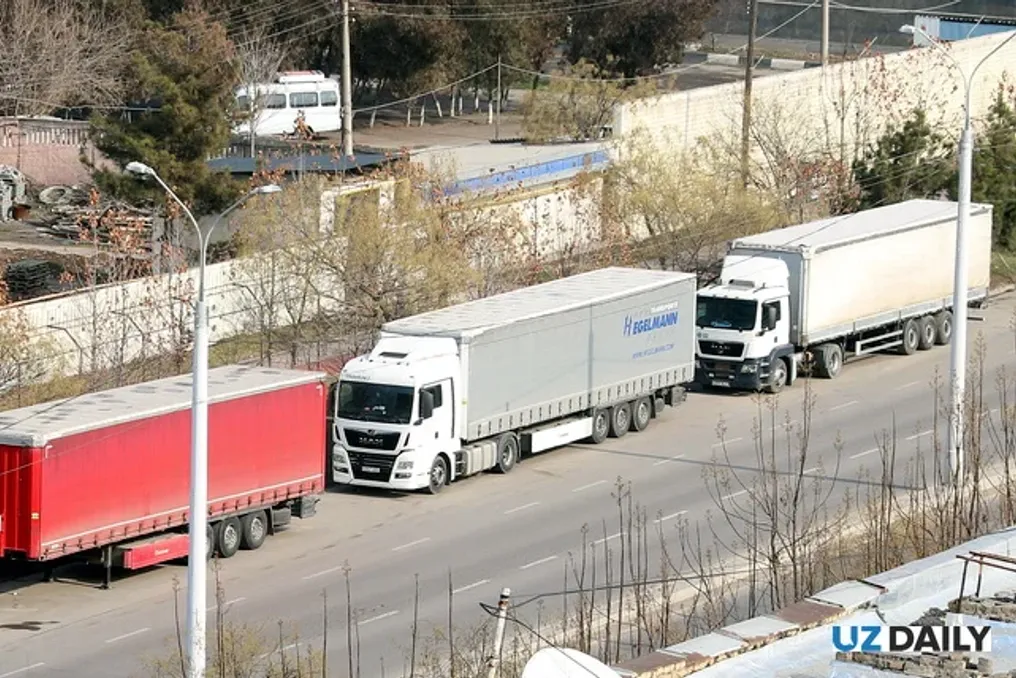
The Ministry of Transport of Uzbekistan has issued clarifications regarding the distribution of international and multilateral road transport permits, as well as the functioning of its rating system and electronic services, according to UzDaily.uz. This statement followed public discussions and criticism on social media and various news sources.
The issuance of permits is regulated by Cabinet of Ministers Decree No. 114, adopted on March 25, 2026. Under this decree, carriers submit applications and reserve permits electronically.
The Ministry emphasized that access to high-demand permits is determined by the carrier's rating, which is calculated automatically by the information system based on criteria established by legislation. Staff members do not have the authority to manually increase or decrease a carrier's rating or adjust it upon individual request.
According to the ministry, the rating system was developed to ensure the even distribution of a limited volume of permits using unified indicators based on actual operational performance, rather than to push small or private transport companies out of the market.
Regarding Markets and Illegal Activities
In response to accusations of a 'black market' for permits, the ministry noted that Decree No. 114 establishes restrictions and penalties for the transfer, sale, or improper use of permit forms. The Ministry called on individuals with specific information about illegal sales, transfers, or official misconduct to provide evidence for an investigation.
The agency also provided information on the current implementation of the E-Permit digital platform. Electronic exchange of permits is currently operational with seven countries: Kazakhstan, Kyrgyzstan, China, Turkey, Azerbaijan, and Georgia.
Work is underway to establish electronic permit exchange with Russia and Belarus, with full system implementation planned by the end of 2026. The Ministry indicated that the transition to E-Permit requires bilateral coordination, including intergovernmental agreements, IT system integration, electronic data testing, and mutual recognition of digital permits. Therefore, the continued use of paper permits for Russia does not imply a halt to digitalization efforts.
Process of Using Permits for Routes Through China
Concerning E-Permit for routes involving China, the ministry addressed cases where used permits continue to appear in the system as 'unused,' which prevents vehicles from obtaining new permits. According to established procedures, drivers must present transport documentation to transport control inspectors after customs clearance. The inspector checks the document and updates the permit status to 'used' in the information system.
In practice, some drivers leave border zones after customs clearance without presenting documents to the inspector. As a result, the system does not receive confirmation of use and automatically blocks the issuance of subsequent permits for that vehicle. The Ministry stated that this mechanism prevents the simultaneous issuance of multiple active permits for one vehicle, ensuring proper accounting and presumed usage. Transport operators and drivers were advised to complete the usage confirmation procedures in a timely manner.
The Ministry affirmed its commitment to transparency by publishing quarterly statistical data detailing the number of foreign and multilateral permits received, allocated, and used. Carriers can also check available permit balances by country and permit type through the automated system 'E-Avtoruxsatnoma,' which displays real-time data on permits reserved by other transport operators. In the ministry's view, electronic booking, application processing, and digital tracking are aimed at minimizing human error and increasing the transparency of permit distribution.