Young Generation in China Visits Ancient Temples in Search of Career Success
Read more
Aaj Tak
www.aajtak.in

Young Generation in China Visits Ancient Temples in Search of Career Success

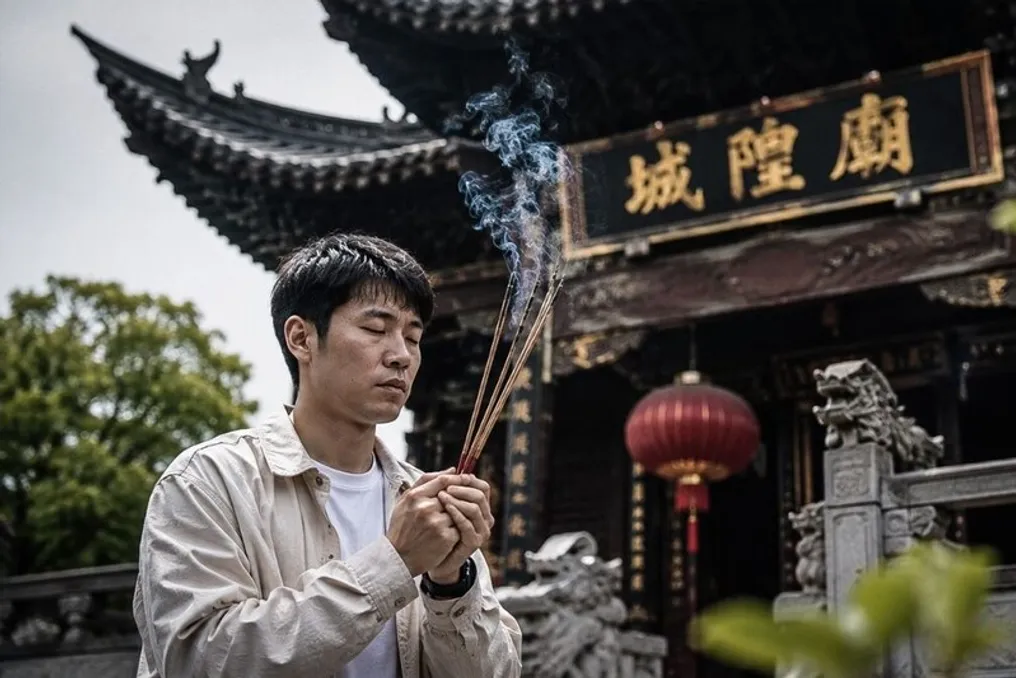
In China, as in many other countries, young people face serious challenges related to job searching and career growth. The situation is not easy even in the world's largest economies. Young people in megacities like Shanghai turn to ancient temples hoping to achieve success in their work and find peace of mind.

The Lunhua Temple, which is about 1700 years old, attracts particular attention. Here, young people pray before Buddhist statues, burn incense, and chant mantras, asking for success in their professional activities. Local residents know this temple as a place where people come to pray for a successful career.

According to the Wall Street Journal, finding a job in China is not easy. Young Chinese people spend 600 rupees daily visiting fake offices to create an appearance of employment. Among the youth experiencing anxiety about employment, some, even after getting a new position, are still unsure about their future and career. Increased competition exacerbates their worries, forcing many to seek spiritual support alongside their job search. Their hopes include a good position, promotion, and financial stability.

According to the WSJ, the reduction in job opportunities and wage stagnation have intensified uncertainty about the future among young people. In response, some young people turn to cultural and spiritual traditions. For example, 26-year-old Kacie Kang visited the Lunhua Temple. She started working at a chemical trading company and is worried about finding new clients during her probationary period. At her previous job, the workload increased, but the salary increase did not match this growth.

Within the temple grounds, people write their wishes on red ribbons. Some pray for success in their jobs, while students ask for good exam results. Visitors to the temple include both working professionals and students. 23-year-old Li Yongqing began visiting the temple after graduating from college and starting work about a year later. He came there to pray for success in his job related to selling cosmetics via live streaming online. According to him, competition in this field has significantly increased.

The report notes that young people who visit the Lunhua Temple do not view it solely from a religious perspective. For many, it is a way to find hope and moral support in difficult times. They pray for their work and future here. This situation demonstrates that employment problems are not only an issue in developing countries; young people in China are also struggling with future uncertainty and high competition despite having large cities, good education, and a modern economy.

Similar concerns exist in India, where young people constantly face competition for jobs in the public and private sectors. The situation in China shows that labor market pressure is not limited to India. The appeal of young residents of Shanghai to the ancient temple presents a unique picture of a changing landscape: while some apply for and interview for jobs, others seek support in prayers for career success.

Similar stories

The History of Sugar: From Monarchs' Luxury Item to Everyday Product
Read more
www.aajtak.in

The History of Sugar: From Monarchs' Luxury Item to Everyday Product

Sugar was once an item of extreme luxury, used by kings and emperors both for decoration and for preparing medicines. Currently, due to rising prices, sugar is actively discussed on social media, leading to related memes. However, despite the fact that sugar is used in every home today, it was once a luxury item.

According to an article published in Time Magazine, white sugar crystals were so expensive many years ago that emperors, kings, and caliphs molded them into statues to decorate tables at their lavish feasts. Furthermore, sugar held great importance in medicine; dissolved in a small amount of water, it miraculously helped people suffering from intestinal diseases and usually invigorated tired bodies. The cost of sugar was comparable to that of other spices, and merchants traveled vast distances for it.

Gradually, sugar reached cities, demand increased, new production methods emerged, and government policies made it more accessible. Soon, it transformed into an everyday consumer product for ordinary people. Factors such as trade, slavery, industrial production, government decisions, and changes in dietary habits account for its widespread distribution.

Nevertheless, the situation in India was different: sugar there was not such a luxury item because sugar had been produced in India for a long time.

Initially, sugar production was low, and its use was also limited. Until around 1200, sugar was so rare in Northern Europe that few people knew about it. By the 13th century, it remained an expensive luxury item. There are mentions that kings bought sugar for their homes. For example, in 1287, King Edward I of England purchased about 2,867 pounds, which is 1.3 tons of sugar. By the 15th century, it was considered a symbol of status, evidenced by the fact that in 1403, figures of animals, objects, and buildings were made from sugar at Henry IV's feast.

After the 15th century, the situation began to change. In Western Europe, sugar gradually became part of urban consumption. By 1500, the demand for sugar in Europe exceeded the production volume in the Mediterranean region. The question arose as to where this growing demand would be met. The answer came from America. Large plantations were developed in America for sugar production, but the price of this sweet business proved horrifying.

A huge number of Africans were captured into slavery to work on the sugar plantations in America. Of approximately 12.5 million people kidnapped from Africa across the Atlantic Ocean, about two-thirds began working on sugar plantations. The living conditions of slaves on the plantations were extremely harsh. The situation on various American plantations was terrible, but on sugar plantations, it was considered the worst. Thus, the growth in demand for sugar in Europe was ensured by production in America, which carried a huge price paid by the slaves.

Opponents also spoke out against sugar. Stories of the lives of workers producing sugar reached cities like Philadelphia, London, and Paris, leading to protests against this slavery. People began to say that sugar was 'stained with human blood.' Nevertheless, the production and consumption of sugar continued. Efforts were made to find other ways of producing sugar. German inventor Carl Franz Acard developed an industrial process for extracting sucrose from beet roots instead of cane.

On the other hand, some traders began advocating for expanded trade with India. Their argument was that sugar could be obtained in greater quantities and at a lower price in India. However, neither Indian sugar nor beet sugar managed to end slavery. By then, sugar had become a commodity traded globally in the largest volume.

During the 19th century, sugar production received support from government subsidies. This contributed to increased production and a constant decrease in prices. When prices fell, consumption rose. In the late 19th century, farmers in Europe began growing beets instead of wheat, leading to a rapid increase in sugar beet production. By 1900, about 50 percent of internationally traded sugar was sugar beet.

Thus, sugar ceased to be the domain of a specific class. Its production became large-scale, and falling prices made it accessible to a larger number of people. After 1898, America established its dominance over Hawaii, Cuba, Puerto Rico, and the Philippines. It then also developed a strong sugar beet industry. The US government launched the 'Sugar Program' in 1934. This system protected American farmers and provided markets for their allies. Attempts were made, such as the Burssell Congress in 1902 and the International Sugar Agreement in 1937, but these efforts were unsuccessful, and cheap sugar in the world...

Launch of the Super Jinjiang concept store in Xunpu, celebrating local culture and manufacturing
Read more
archdaily.com.br

Launch of the Super Jinjiang concept store in Xunpu, celebrating local culture and manufacturing

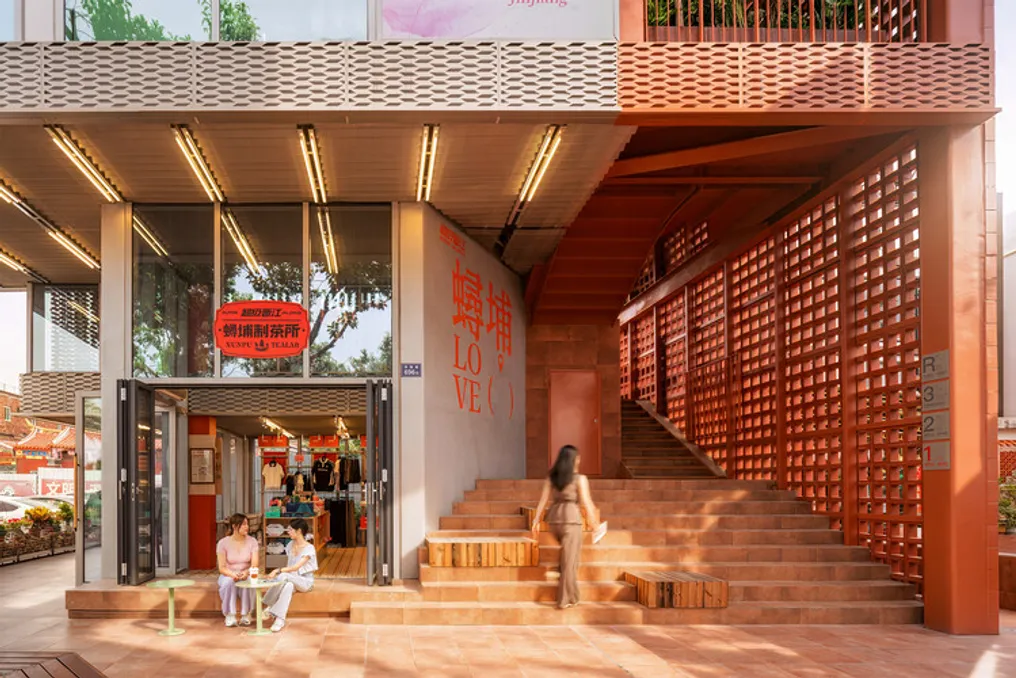
The city of Jinjiang, nicknamed the 'Brand Capital' of China, combines its strong industrial tradition with the opulence of the Maritime Silk Road culture, traditional Minnan architecture, and the legacy of overseas Chinese.

In the vicinity, Xunpu has established itself as a culturally relevant tourist spot, notable for its emblematic hair flower tradition, its historic Minnan houses, and the atmosphere of a coastal fishing community.

Against this backdrop, Super Jinjiang opened its first experimental concept store in Xunpu. This venture was conceived from Jinjiang's footwear and apparel industry, bringing together regional brands, design elements, and cultural experiences.

The project establishes a structure that links the sectors of manufacturing, culture, and tourism while promoting the identity of the 'Made in Jinjiang' concept.

Popular