Namibia calls on SADC countries to strengthen early warning systems due to climate risks
Read more
CGTN
cgtn.com

Namibia calls on SADC countries to strengthen early warning systems due to climate risks

Namibia has appealed to the member states of the Southern African Development Community (SADC) to increase investments in meteorological services and strengthen early warning systems, as the region faces growing risks associated with climate change.

The Namibian Minister of Public Works and Transport, Waikko Nekundi, made this appeal on Tuesday at the opening of the 33rd South African Climate Forecasting Forum (SARCOF-33), which was held in the coastal city of Swakopmund.

Nekundi emphasized that regional climate forecasts must be translated into timely response measures across sectors such as agriculture, water resources, energy, health, infrastructure, and disaster management. He stated that 'early warning is the most cost-effective tool in combating climate disasters.'

The four-day forum, organized by the SADC Secretariat through the SADC Climate Services Centre, is themed 'From Climate Monitoring to Seasonal Forecasting: Informing Early Actions for the Upcoming Season.' Nekundi also called for faster implementation of multi-hazard early warning systems, referencing the United Nations goal to ensure all people are protected by vital early warning systems by the end of 2027.

According to SADC data, SARCOF brings together climatologists, representatives from national meteorological and hydrological services, sectoral specialists, and climate information users to develop a regional seasonal climate forecast. The forum is also aimed at transforming climate projections into practical recommendations to support preparedness, planning, and early action.

The SADC Secretariat noted that Southern Africa remains highly vulnerable to climate variability and extreme weather conditions, posing threats to food and water security, energy supply, health, infrastructure, and livelihoods. Participants of SARCOF-33 are expected to prepare a summary of recommendations and early warnings for leadership and decision-makers in preparation for the coming season.

Similar stories

South African Leaders Discuss Migration, Security, and Employment at SADC Summit
Read more
iol.co.za

South African Leaders Discuss Migration, Security, and Employment at SADC Summit

Leaders of South African countries are gathering in Durban for the 46th regular SADC summit, where migration, regional security, youth unemployment, and economic transformation are on the agenda. South Africa is hosting the chairmanship of the SADC bloc.

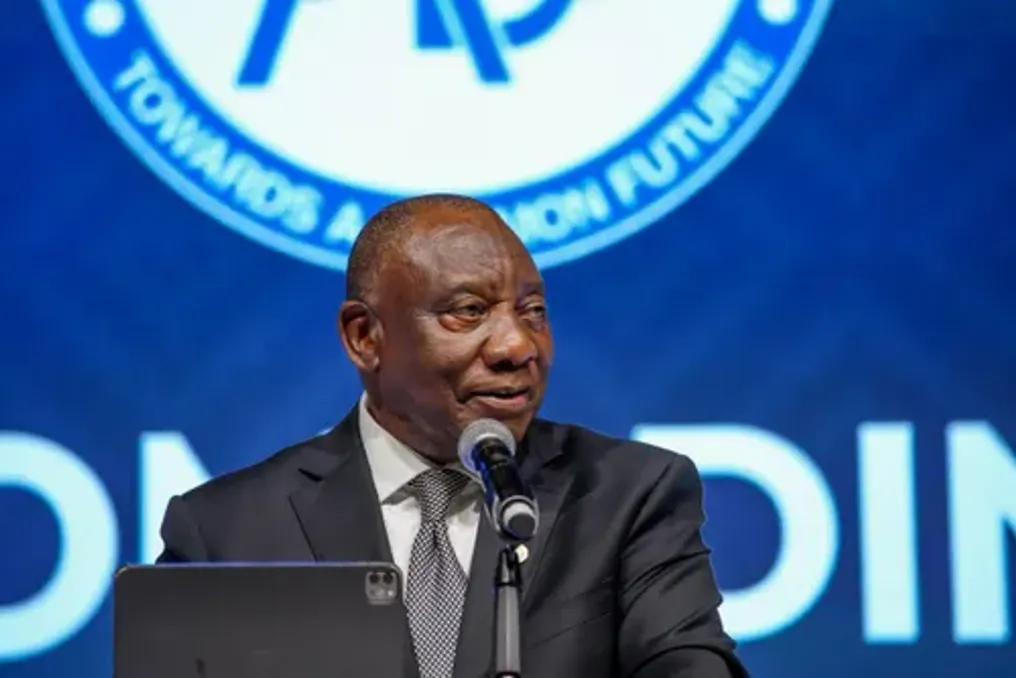
President Cyril Ramaphosa will take up the post of chairman of the 16-member regional organization, leading SADC for the next year. Migration is expected to be one of the key issues, as Ramaphosa calls on the region to address the root causes driving people to leave their countries, rather than relying solely on coercive measures.

Ramaphosa stated before the summit: 'Migration is a continental and global phenomenon. The future of South Africa is inseparable from the future of the African continent.' He emphasized that migration pressure cannot be eliminated by force alone; this requires peace where there is conflict, economic growth where there is stagnation, and opportunities where there is poverty.

The President noted that South Africa will cooperate with neighboring states to develop sustainable solutions to migration problems. He added that through SADC, the African Union, and bilateral relations with other countries, they will seek ways to solve these difficulties.

These statements came against the backdrop of ongoing tension in South Africa regarding undocumented migration, as well as the expected anti-immigration march around the summit venue.

Ramaphosa also issued a warning against xenophobia and discrimination, stating that regional integration cannot be successful if citizens of neighboring countries are perceived as outsiders. He expressed deep concern and shame over the discrimination and mistreatment of citizens of other countries in recent months.

Discussions on migration are expected to be part of a broader conversation on how SADC can strengthen regional economies and create opportunities for its people. SADC Executive Secretary Elias Magosi reported that the Trilateral Organ for political, defense, and security cooperation remains a central element in maintaining peace and stability in the region.

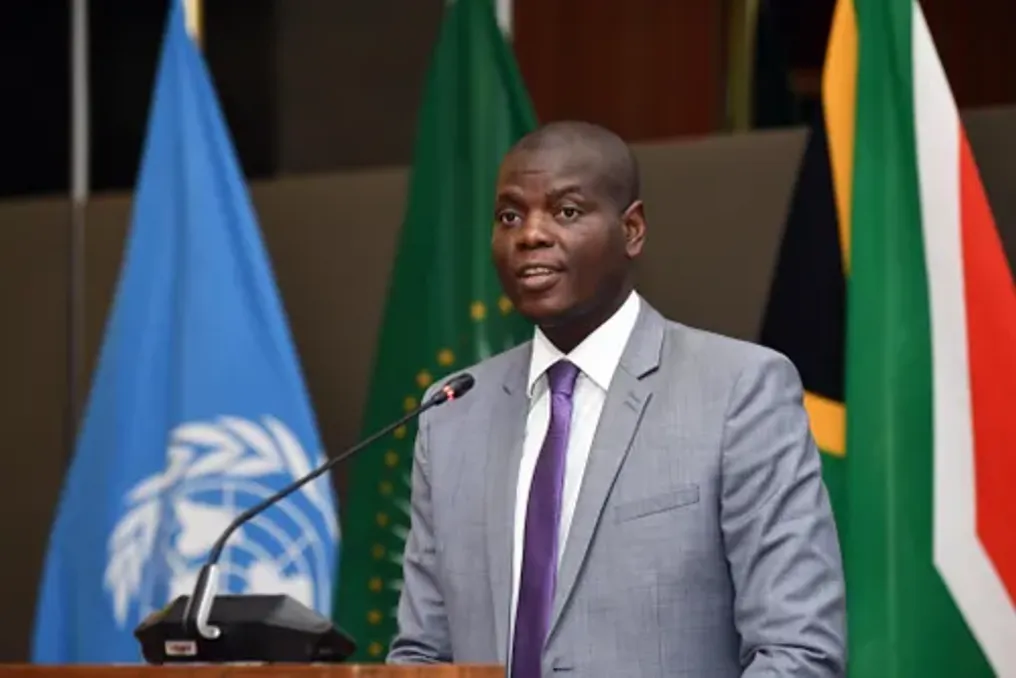
Magosi called the Trilateral Organ the 'cornerstone for development and prosperity,' stressing that peace and security are vital for achieving regional development goals. Minister of International Relations and Cooperation Ronald Lamola urged SADC to accelerate efforts to combat youth unemployment and hunger, warning that the region's development ambitions must translate into tangible improvements in people's lives.

The summit's theme places economic transformation at the center of South Africa's chairmanship, formulated as: 'Sustainable, viable, and inclusive industrialization through infrastructure development, agricultural transformation, and critical minerals in pursuit of a just peace.' Discussions will include critical minerals, infrastructure, agriculture, and industrialization, as SADC countries strive to boost intra-regional trade and reduce reliance on raw material exports.

Ramaphosa insists that South Africa must move towards deeper processing of its natural resources and the creation of industries that generate jobs and economic value within the region. The summit will also review progress in achieving the SADC Vision 2050 and the Regional Indicative Strategic Development Plan, which define the framework for the bloc's long-term integration and development agenda.

Security is another pressing issue for leaders, especially against the backdrop of ongoing instability in parts of the region. The SADC Trilateral Organ held a meeting in Durban on Sunday before the main summit, where regional security and political events were discussed. Security around the summit venue was also enhanced, after which three people were arrested on Sunday for alleged attempted unauthorized access to the summit site.

Roland Lamola announced South Africa's priorities during its chairmanship of SADC
Read more
iol.co.za

Roland Lamola announced South Africa's priorities during its chairmanship of SADC

Minister of International Relations and Cooperation Roland Lamola announced that South Africa will focus primarily on developing regional trade, infrastructure, industrialization, and the processing of critical minerals, taking over the chairmanship of SADC for the 2026–2027 period.

Lamola spoke in Durban on Wednesday, when South Africa officially assumed the chairmanship of the Southern African Development Community (SADC) at a Council of Ministers meeting. He emphasized that South Africa's priorities will be ensuring peace, security, and stability, accelerating industrialization, expanding regional trade, developing infrastructure, and strengthening social and human capital.

South Africa aims to boost regional trade

The Minister noted that South Africa's focus will be on transforming agriculture, processing critical minerals, increasing regional trade, and forming regional value chains. The SADC region holds nearly 30% of global proven critical mineral reserves, including about 50% of global cobalt reserves and 20% of graphite reserves.

Nevertheless, Lamola stressed the need for the region's wealth in minerals to contribute to economic and social progress, rather than continuing a model where resources benefit economies outside the region. He stated that changing this trend requires processing domestic resources, creating regional supply chains, and increasing trade between countries.

Currently, trade between SADC countries accounts for only about 20%, which Lamola believes is insufficient given the region's potential. He mentioned that the African Export-Import Bank assessed the untapped potential of intra-African trade at $84 billion in 2018, of which the SADC region accounted for $53 billion. Lamola assured that during his term, the goals of the Scucuce summit would be realized to achieve a 50% share of intra-regional trade and utilize critical minerals for local processing.

Infrastructure and jobs are key SADC tasks

Infrastructure development will also be part of the priorities as South Africa seeks to modernize and expand the systems connecting the region's countries. This includes ensuring reliable energy, efficient transport corridors, modern ports, integrated digital networks, and stable water supply systems. Lamola emphasized that without these foundations, regional production expansion is impossible.

He noted that production currently accounts for only 10% of GDP and cannot generate jobs on the scale required by the region. Furthermore, South Africa's agenda will include the development of social and human capital, especially considering Africa's young population. The average age in Africa is 19 years, and almost 60% of the population is under 25. Lamola predicts that by 2030, one of every four young people globally will come from Africa, so the economy and job creation must match population growth.

Priorities will also be based on gender equality, climate change resilience, and disaster risk management. Lamola insisted that these aspects must permeate all elements of the regional program, as development cannot be inclusive if it ignores gender issues, leaves youth behind, or fails to prepare communities for climate and other shocks.

Lamola calls on SADC states to support orderly migration

The issue of migration is also expected during South Africa's chairmanship. Lamola reported growing public discussions in South Africa regarding irregular migration, the integrity of state borders, access to economic opportunities, and pressure on communities and state institutions. Acknowledging citizen concerns, he rejected vigilantism and human rights violations, stating that solving issues related to irregular migration must be done within a legal and orderly approach.

He added that migration cannot be viewed solely as a security issue, as the movement of people across the region is also linked to economic opportunities and employment. Lamola cited the example of Durban, noting that the country's industrial development significantly benefited from a large labor pool from the region and beyond. The Minister urged SADC member states to sign a protocol on the free movement of people to ensure regular and orderly migration, expressing hope for a joint search for comprehensive solutions to the region's migration problems.

Peace, security, and stability will remain key tasks during South Africa's tenure as chairman. Lamola stressed that the security of one state is inextricably linked to the security and stability of the entire SADC community. He recalled the rich history of the regional bloc in collective response to threats to peace and security, asserting that regional solidarity remains the greatest strength in resolving emerging political and security challenges.

South Africa assumes the chairmanship amid great power competition, rising external shocks, climate disasters, the threat of pandemics, and the internal focus of developed economies. SADC must ensure that its regional development framework leads to an improved quality of life for its population. Lamola called for this moment to renew commitment to bridging the gap between ambitions stated in regional documents and the capacity of institutions to implement them. He also noted that South Africa recognizes its responsibility as the region's most industrialized economy to contribute to regional integration and common prosperity, approaching the chairmanship with humility, determination, and a willingness to work with all member states.

Durban prepares for the 46th SADC Summit: Security measures and protest warnings
Read more
iol.co.za

Durban prepares for the 46th SADC Summit: Security measures and protest warnings

Lieutenant General Tebello Mosikili presented a detailed security plan for the upcoming 46th SADC Summit in Durban, emphasizing the importance of lawful protests while cautioning against any attempts to disrupt the international event.

Mosikili, who serves as Deputy National Commissioner of Police in the South African Police Service (SAPS), stated that security forces are fully prepared to protect the 12 heads of state and government expected at the summit. During a press briefing in Durban on Tuesday, she noted that citizens have a constitutional right to peaceful and lawful protests, but this right does not extend to criminal acts, intimidation, property damage, or obstructing the international event.

She categorically stated: 'Let me be perfectly clear: the 46th SADC Summit will not be disrupted.' Mosikili added that anyone who crosses the line from lawful protest to criminality or endangers the safety of others will face legal consequences. She stressed that security forces will respond decisively, proportionally, and within the law to any threat to public safety.

Security Operations

Mosikili reported that security measures for the summit began on August 3rd, with preparatory meetings, parallel events, and other activities already underway. She clarified that no reports of incidents or violations have been received in connection with these actions.

The Lieutenant General noted that this is clear evidence that the South African security apparatus is capable of handling the task. She emphasized that security planning was comprehensive, and the authorities 'are leaving nothing to chance.' Ministers and other high-level delegations from SADC member states are due to arrive in the country starting Wednesday, with heads of state and government expected later in the week.

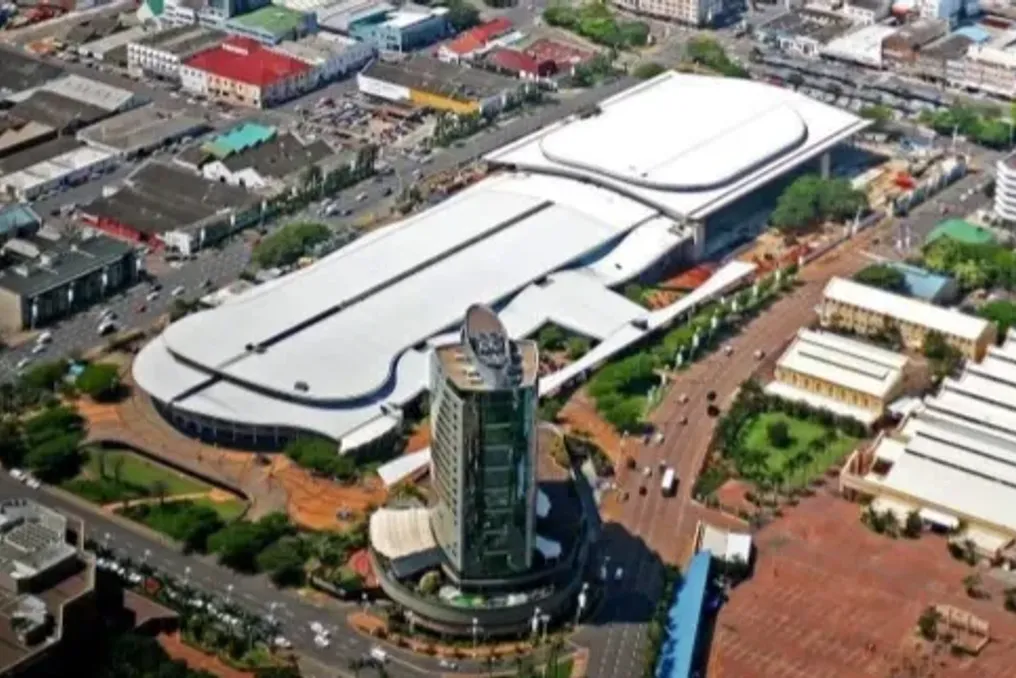
Information structures are already on site, and law enforcement and security services are continuously assessing the situation to identify, prevent, and respond to potential threats. Mosikili stated that Durban is 'stable, safe, and ready' to host the summit. The deployment of security forces extends beyond the Durban International Convention Centre (ICC), where the summit will take place, and includes hotel complexes, routes, parallel events, public spaces, and other areas where delegates and visitors are expected.

'A number of events and parallel activities are taking place during this period, including rugby and football matches. Our security plans have taken all these events into account,' said Mosikili.

Planned Marches and Demonstrations

Mosikili also informed that NATJOINTS is aware of the planned marches and demonstrations during the summit period. She noted that most marches across South Africa over the last two or three months have proceeded peacefully, although some were accompanied by crime and anarchy.

She commended citizens who responsibly and peacefully exercised their constitutional rights but strongly urged organizers and participants of processions to abide by the law and the conditions regulating their demonstrations.

Furthermore, Mosikili revealed that a Zimbabwean citizen was arrested after an alleged attempt to obtain accreditation for the summit. He claimed to be a performing artist and asserted that his documents and supporting papers had been stolen. The arrest occurred after the man failed to present valid documentation when attempting to secure artist accreditation for the event.

Mosikili warned that accreditation would be strictly controlled. 'No accreditation means no access,' she stated. She urged people without accreditation to avoid visiting the ICC in Durban and any authorized events, and not to attempt to bypass security and accreditation procedures. She also specified that accreditation is non-transferable: 'There will be no exchange, issuance, borrowing, or joint use of valid accreditation between individuals.' Anyone who violates this rule will be removed from the controlled area and may face legal repercussions.

Deployed Security Resources

Mosikili reported that specialized units and maximum available resources have been mobilized and deployed as part of the overall security plan. These include intelligence, crime prevention, public order patrolling, traffic management, and other specialized capabilities. She emphasized that the approach is proactive, as authorities identify and assess potential threats, taking measures to prevent them.

'All security services are working together within [NATJOINTS],' she said.

Road Closures and Public Warning

Mosikili informed that the ICC in Durban is operating under heightened security, and she strongly urged the public without authorized access not to approach the venue or attempt to enter controlled areas. She added that the city will provide information regarding road closures and traffic disruptions around the ICC. Temporary closures will also occur during the transportation of heads of state between different venues. 'These closures are necessary security measures,' she stressed. She appealed to drivers and city residents to cooperate with law enforcement, follow instructions, and plan their journeys accordingly.

Mosikili also advised travelers to Durban to check the latest weather forecasts and warnings from the South African Weather Service, especially considering the current cold conditions. She urged drivers to ensure their vehicles are in good working order and to allow sufficient travel time.

Conclusion

Mosikili reiterated that [NATJOINTS] has proven experience in securing major national and international events, and she is confident that the SADC Summit will take place in a safe and protected environment. However, she stressed that the confidence of the security structures does not equate to complacency. 'We remain vigilant. We remain alert. We are ready to respond to any threat,' she stated.

Mosikili also called on South Africans, especially Durban residents, to welcome delegates from the entire SADC region with the 'warmth, hospitality, and Ubuntu that South Africa is known for.' She noted that the summit provides South Africa with an opportunity to demonstrate both its capacity to host a major international event and the hospitality of its people. 'Our message to those attending the Summit is simple: you are safe in South Africa,' she said. 'Our message to the people of Durban is equally clear: continue your daily lives, cooperate with security forces, and follow official transport and safety instructions.' She also issued a warning to anyone intending to jeopardize the safety of the summit. 'We are ready. We are watching. We will act.'
Popular