You have probably tried buying chili peppers in the store, but did you know that this vegetable can be the basis for your home garden? If you plan to plant something on a balcony or roof during the rainy season, you can start with chili peppers. The advantage is that you won't need expensive seeds; the plant can be grown using seeds found inside the purchased chili pepper.
Growing a chili pepper plant at home is very simple and does not require much effort. By following some rules, you can provide yourself with chili peppers throughout the year. During the rainy season, the chili pepper plant grows especially easily. Next, we will explain how to grow a plant from a pepper you have at home.
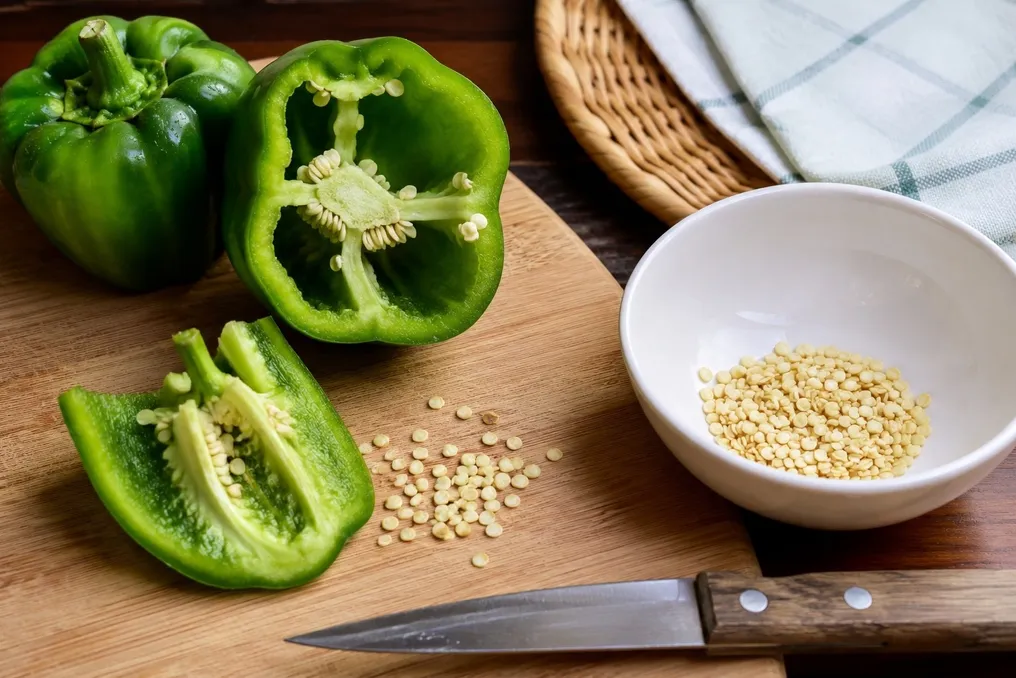
To grow a chili pepper plant in a pot, you first need to take a good and healthy chili pepper. You must cut it open and extract the seeds inside. Try to keep the seeds clean and healthy. After extracting the seeds, they should be slightly dried in the shade to remove excess moisture.
A pot about 10–12 inches deep and wide is suitable for a chili pepper plant. There must be drainage holes at the bottom of the pot. This is especially important during the rain, as constant water accumulation can lead to root rot. For soil, you can use garden soil mixed with well-rotted manure or vermicompost and a small amount of sand. This will help the soil remain loose and facilitate the drainage of excess water.
After filling the pot with soil, carefully place the chili pepper seeds at a shallow depth. Do not put too much soil on top. Then, lightly water the seeds using a spray bottle so they do not shift position. The pot should be placed in a location with good light, but where direct rainfall does not reach it.
During the monsoon season, people often water plants daily, although this can be excessive during the rains. Before watering, check the top layer of the soil with your finger. If the soil is already moist, watering is unnecessary. Waterlogging in the pot can cause mold and root rot problems. Therefore, on rainy days, it is necessary to keep the soil moist, but not to allow it to become overwatered.
When a small sprout appears from the seed, it should be placed where there is good light. As the plant grows a little, it needs both good lighting and several hours of sunlight. Chili pepper plants usually prefer lots of sun, but protection from heavy rain and constantly wet soil is also extremely important.
Periodically, you should gently loosen the soil and remove dry or damaged leaves from the plant. If necessary, you can fertilize with organic fertilizers, which will help improve plant growth.
After about 40–50 days, small chili pepper fruits will begin to appear on the plant, which are initially green. You can harvest them and use them while green. If you leave them on the plant for a few more days, they will gradually change color to yellow or red. Thus, one plant can yield chili peppers of different colors.