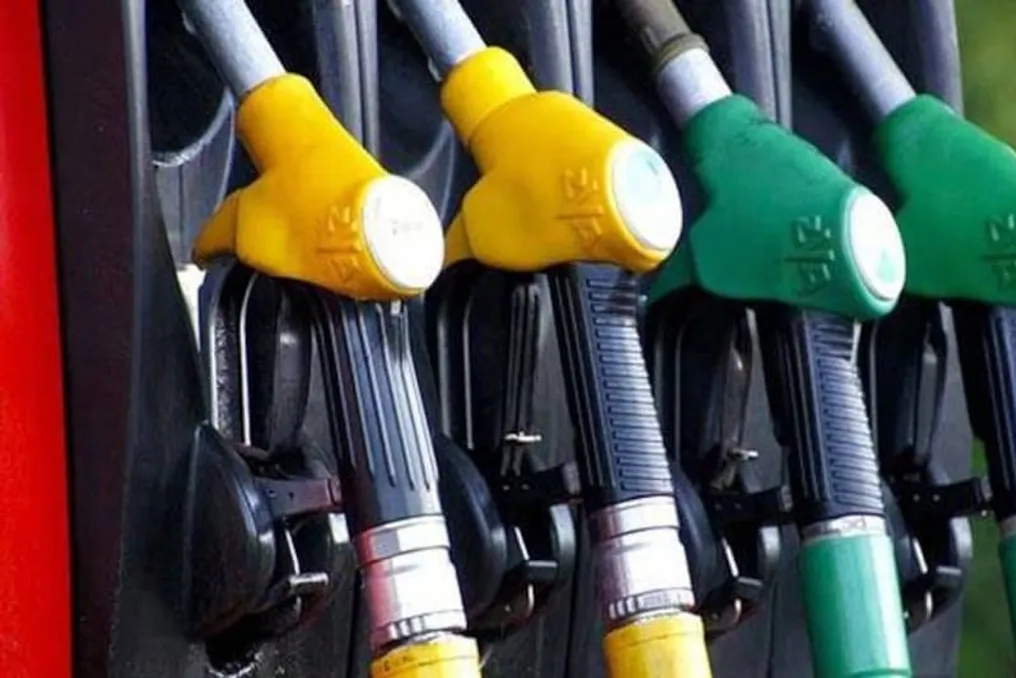
The consequences of military actions are not limited to battlefields; they also affect the daily lives of ordinary people. Tensions between Iran, Israel, and the US have impacted the global oil market. As a result, gasoline prices have sharply risen in many countries, which has affected household expenses.
According to the international website GlobalPetrolPrices, which tracks retail prices for gasoline, diesel fuel, electricity, and natural gas worldwide, after the conflict began in February, gasoline prices increased in 145 out of 170 countries.
Between late February and August, there was an increase in gasoline prices in most countries around the world. Specifically, prices rose by 56% in Myanmar, 55% in Bhutan, and 51% in Cuba. Prices also increased by 50% in the UAE and 48% in Nigeria.
Even in the world's largest economy, the US, the impact of this rise is felt. The average price of gasoline in America rose by 39%, reaching $4.09 per gallon from $2.94. Previously, $50 could cover about 718 kilometers, but now the same amount only allows for 536 kilometers, meaning a reduction in distance by 182 kilometers at the same cost.
India has also not been spared the consequences. The rise in tensions in the Middle East and the increase in crude oil prices have affected the domestic market. In Delhi, prices for gasoline and diesel fuel rose by approximately seven and a half rupees per liter compared to February. However, unlike many other countries where gasoline prices rose by 40–50%, the increase in India was more modest—only 8%.
How the price increase affects all sectors
The increase in oil prices does not only affect car travel. Agriculture, factories, and transport—almost all sectors depend on fuel. Therefore, when crude oil becomes expensive, the costs of producing goods and delivering them to the market also rise. Experts note that the true strength of the global economy lies in transport and supply chains; when energy becomes expensive, it affects all economic activity.
Oil serves as a basis not only for fuel but also for numerous products. It is used in the production of food packaging, plastic bottles, and medical syringes. Furthermore, oil is a key raw material for synthetic fabrics such as polyester and nylon. Petroleum products are also used in making lipsticks, petroleum jelly, and various cosmetic products, as well as in the production of cleaning agents, paints, and other household goods.
India imports about 85% of its crude oil needs from abroad. Consequently, the prolonged rise in international oil prices is not limited only to gasoline and diesel fuel. It can affect transport, fertilizers, packaging, everyday goods, and ultimately, inflation. Thus, the longer the conflict in the Middle East lasts, the greater the economic losses will be for a major oil-importing country like India.
What is GlobalPetrolPrices
GlobalPetrolPrices is a website that tracks retail prices for gasoline, diesel fuel, electricity, and natural gas worldwide. It provides weekly updates on fuel prices in over 150 countries. This data is manually collected from multiple sources and verified. The data from this resource is often used by the media and international organizations.