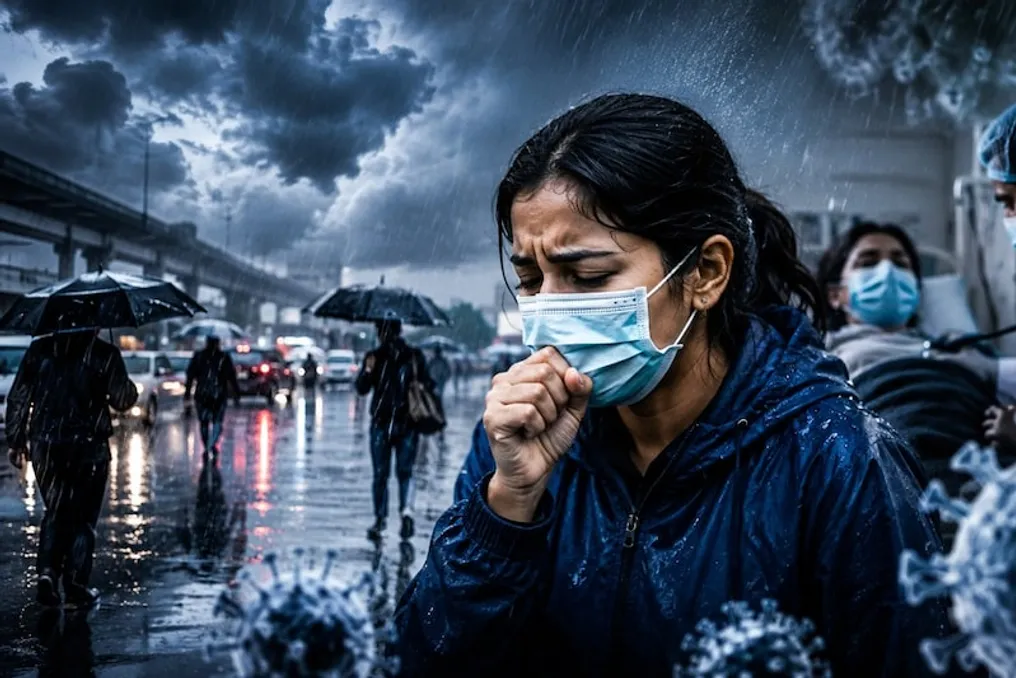
Rajasthan Agriculture Minister Kirodi Lal Mina Infected with Swine Flu and Hospitalized in Intensive Care Unit in Jaipur
Read more
Aaj Tak
www.aajtak.in

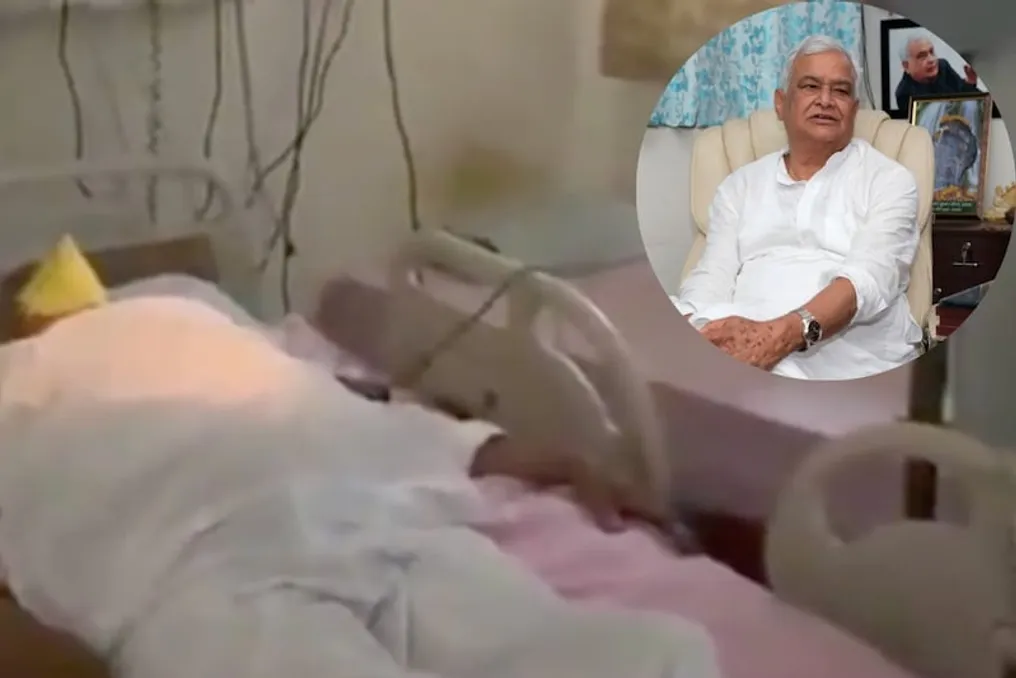
Rajasthan Agriculture Minister Kirodi Lal Mina Infected with Swine Flu and Hospitalized in Intensive Care Unit in Jaipur

The Agriculture Minister of Rajasthan, Dr. Kirodi Lal Mina, has been found infected with swine flu, known as the H1N1 virus. He was hospitalized in the Intensive Care Unit of Swayamansingh Medical College (SMS) in Jaipur, where hospital administration is closely monitoring the minister's condition.

Meanwhile, in the nation's capital, Delhi, there is a rapid increase in cases of swine flu and seasonal flu, prompting the government under Ms. Rekha Gupta to take precautionary measures.

Due to the rising number of flu cases in Delhi, Minister of State for Health, Rekha Gupta, convened an emergency meeting on Tuesday. Senior officials from the health department, Municipal Corporation of Delhi, NDMC, and Delhi Garrison were present at this meeting.

Following the meeting, Delhi Health Minister Pankaj Kumar Singh held a press conference, stating that approximately 3000 cases of influenza have been registered in Delhi this year, of which 2308 cases are H1N1, or swine flu. He emphasized that there is no shortage of doctors, staff, or medicines in Delhi, and the situation is under complete control.

The Health Minister urged the public not to panic, stating that isolation wards have been set up in all hospitals. Patients seek treatment at hospitals and are then discharged home after recovery. He also warned that action would be taken against any hospital reporting a lack of patient beds.

It should be noted that symptoms of swine flu include fever, cough, sore throat, headache, muscle aches, and fatigue. If high fever, difficulty breathing, chest pain, or confusion appears, one must immediately consult a doctor. Following the case involving the Rajasthan minister, public vigilance regarding swine flu has increased.

Similar stories

H1N1 (Swine Flu) Threat Growing in Delhi: Tips on Using Household Devices for Prevention
Read more
www.aajtak.in

H1N1 (Swine Flu) Threat Growing in Delhi: Tips on Using Household Devices for Prevention

There is a rapid increase in cases of H1N1, or swine flu, in the city of Delhi. Currently, 1777 cases have been recorded this year, which significantly exceeds the 229 cases registered last year. Additionally, 2392 cases of influenza have been noted. These statistics are current as of August 20, 2026.

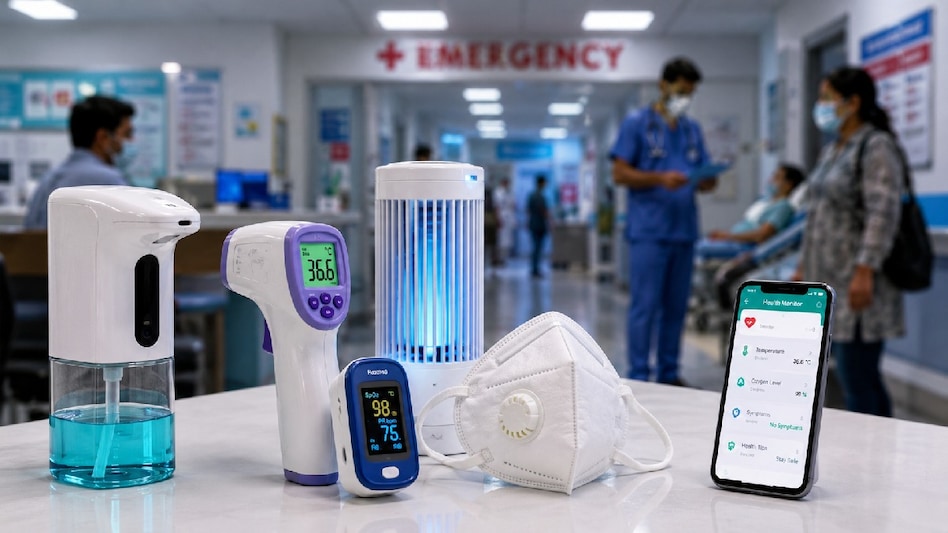
To protect against this rapidly spreading disease, there are special devices that can help create an additional level of safety at home. Below is an overview of these necessary gadgets.

Essential Devices for Protection Against Dangerous Flu

One of the most important appliances in the home is a digital thermometer. It allows for easy checking to see if any family member has a fever. If a fever appears, a doctor should be consulted immediately.

A pulse oximeter is also useful, as it is used to monitor blood oxygen levels. Although this device does not cure the flu, it helps track oxygen saturation levels. If the condition worsens, a doctor's consultation becomes extremely necessary.

To prevent breathing problems caused by poor air quality, an air quality monitor can be used. It shows how clean the air is in the room and what the pollution level is.

UV-C Disinfecting Devices

Various microbes can enter the home along with items brought in from outside, such as packages. UV-C disinfecting devices are used to clean such items. These devices are designed to destroy bacteria on certain surfaces using UV-C ultraviolet light. When using these devices, it is important to follow all safety instructions.

An automatic hand sanitizer dispenser can help maintain hand hygiene, as hands constantly come into contact with various objects, increasing the risk of infection. Furthermore, the dispenser dispenses the solution automatically when hands are brought near, eliminating the need to touch the device itself.

In our time, masks can also be very important, especially in crowded places. There are smart masks equipped with sensors and the ability to connect to applications. However, a mask cannot be considered a guarantee of protection against viruses; it is critically important to wear it correctly.

These technological gadgets can provide an additional level of home safety. However, it should be remembered that none of these devices is a cure for swine flu. To prevent the illness, it is necessary to maintain cleanliness, wear masks when needed, and consult a doctor if symptoms appear.

Risk of swine flu increases in Delhi; authorities heighten vigilance and take measures
Read more
www.aajtak.in

Risk of swine flu increases in Delhi; authorities heighten vigilance and take measures

An increase in cases of swine flu has been observed in the capital city of Delhi and several other states in the country. Due to the worsening situation, the government has raised the level of vigilance and is taking necessary steps to assist patients.

Furthermore, citizens are actively urged to observe precautionary measures.

AIIMS Doctor Explains Reasons for Increase in Swine Flu Cases and Risk Groups
Read more
www.aajtak.in

AIIMS Doctor Explains Reasons for Increase in Swine Flu Cases and Risk Groups

The rise in swine flu, or Influenza A(H1N1), cases in Delhi has raised concerns among the public. According to the Delhi Health Department, 1777 cases have been registered so far this year, with 433 new cases reported in the last 14 days alone, which is several times higher than in August of last year. The number of patients presenting with flu symptoms in the OPDs of various hospitals, including AIIMS Delhi, Safdarjung, and RML, is increasing, and these cases are being investigated, yielding several positive results.

In view of the growing spread of swine flu, Union Health and Family Welfare Minister J.P. Nadda held a review meeting with Delhi Health Minister Pankaj Singh. In this meeting, he directed the strengthening of the surveillance system and assured every type of assistance from the central government.

To provide information on this matter, Aajtak.in spoke with Dr. Neeraj Nishchal, Professor in the Medicine Department at AIIMS Delhi. Dr. Neeraj clarified that cold weather alone is not necessary for influenza to spread. The combination of virus circulation, reduced immunity in people, and an environment conducive to transmission through respiratory routes can increase influenza.

He mentioned that such conditions arise during the monsoon season in Delhi. There is constant change in the weather, and due to rain and humidity, people spend more time indoors. Air conditioners run in many places, and windows and doors remain closed. If there is no proper ventilation in the room and an infected person is present, the virus can reach other people. Dr. Neeraj emphasized that the reason for the increase in cases is not just the temperature, but the combination of the virus being present among people and favorable conditions for transmission.

Dr. Neeraj also mentioned that increased cases could be due to testing. Previously, patients treated for general viral fever or flu might now be tested for swine flu, which may make the figures appear higher. Therefore, to understand the rising statistics, it is necessary to see how many flu tests are being conducted, as more tests can lead to a higher apparent case count.

Dr. Neeraj identified groups at higher risk from swine flu, including the elderly, young children, pregnant women, patients with heart, lung, and diabetes diseases, and those with weakened immune systems. Anyone exhibiting symptoms such as shortness of breath, lack of oxygen, chest pain, confusion, or weakness is advised to seek immediate hospital care.

Dr. Neeraj advised that any fever should not be ignored, but one should not be afraid of every fever; timely medical consultation, correct testing, and appropriate medication are essential. Maintaining hand hygiene during this period is crucial—one should eat only after washing hands and cover the face when coughing or sneezing. One should stay home when sick and wear a mask if necessary. Contact with infected individuals should be avoided. If any flu-related symptoms appear, do not self-medicate and consult a doctor.

Delhi Health Minister Pankaj Kumar Singh assured that his government is fully prepared to handle the current health situation. He stated that there is no shortage of beds, doctors, medicines, and essential medical equipment in hospitals, and every patient is receiving timely and proper treatment.

He further stated that a total of 2392 cases of Influenza-A have been reported this year up to 2026, with H1N1 being the most prominent strain, accounting for 1777 cases. Additionally, 37 cases of H1, 138 of H3, and 440 other cases have been reported. He informed that the status of influenza is being continuously and closely monitored through the Delhi State Health Mission's Integrated Disease Surveillance Program (IDSP). Under this, daily monitoring of ILI, SARI, and influenza cases reported on the IDSP-IHIP portal is being done.

The Health Minister said that the Delhi government is continuously monitoring the number of patients and strengthening necessary arrangements in hospitals according to requirements. A detailed report on Delhi's preparedness has been shared with Union Health Minister J.P. Nadda, covering arrangements for beds, doctors, medicines, and other essential facilities in hospitals. The Union Health Minister has assured that the central government will provide all necessary support to the capital, Delhi.

Regarding how many more cases there are this time compared to last year, the Delhi Health Department stated that no official figure is available regarding how many times higher the cases are compared to last year, but swine flu cases are significantly high this year. The Union Health Ministry has assured strengthening the surveillance system.
Popular