Annually, UNESCO, a UN agency dedicated to education, science, and culture, selects various global locations for inclusion in its World Heritage list. These sites can be classified as cultural, natural, or mixed, having been established in 1978, and almost half a century later, resulting in an extensive list of nearly 1,300 destinations.
While some sites still seek UNESCO recognition, others express the opposite desire: to be permanently removed from this list. Traditionally, entering this register represents a benefit, potentially even being a survival strategy for the area.
The process requires authorities and experts to present detailed studies and documentation proving the site's importance. Once approved, the status helps draw worldwide attention to what local communities wish to preserve. Furthermore, inclusion often releases financial resources to prevent heritage destruction, including access to international funds under the auspices of the UN.
There are notable examples of success, such as Angkor Wat, the famous temple present even on the Cambodian flag. Before UNESCO recognition, this site was progressively deteriorating due to decades of civil wars, governmental neglect, and looting.
However, in certain regions, the visibility generated by the World Heritage title has brought more adversity than advantage. The so-called overtourism is a persistent problem, leading famous destinations to establish maximum daily, monthly, or seasonal visitor quotas, as seen in the citadel of Machu Picchu, Peru (mixed heritage since 1983), or Mount Fuji, Japan (cultural heritage since 2013).
Although neither Machu Picchu nor Mount Fuji intends to be removed from the list, both face difficulties that are even more severe in locations with less infrastructure to accommodate tourists. An extreme case is the village of Vlkolínec, Slovakia; this site, inscribed in 1993, has only 20 permanent residents but receives 100,000 annual visitors.
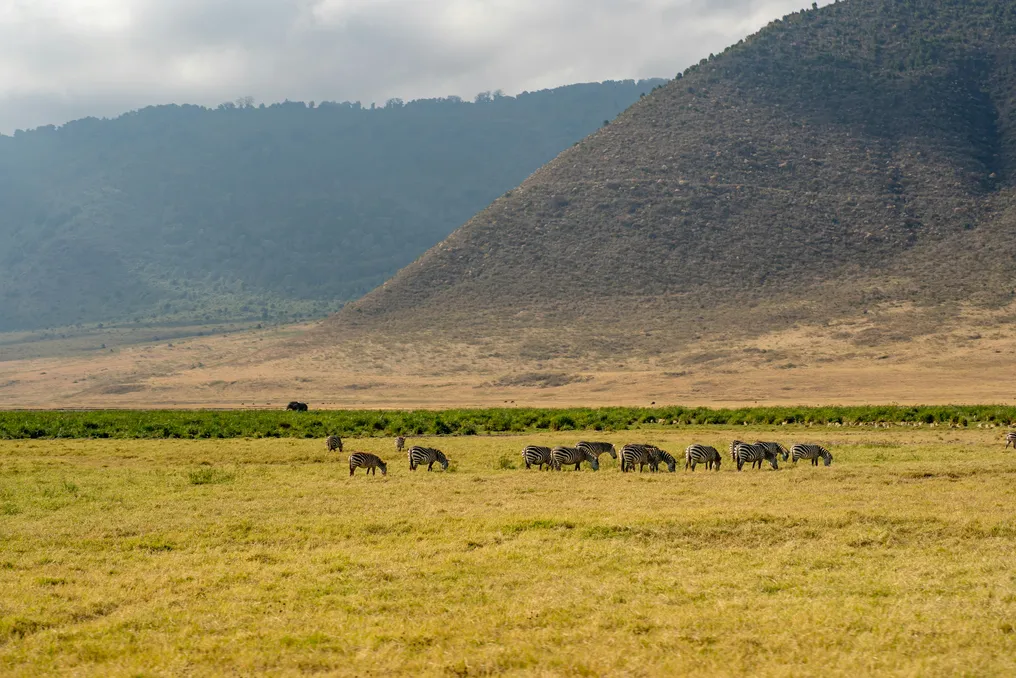
In Tanzania, the Ngorongoro National Park, included in 1979 and known for safaris, is subject to exclusion requests because it impacts pastoral communities on their ancestral lands. Critics argue that international recognition has contributed little to conservation, as the constant flow of external people interferes with the routine and way of life that originally qualified the site as heritage.
Even in smaller places like Vlkolínec, other more populous cities or neighborhoods that have joined the preservation system have dealt with issues such as gentrification or, worse, the complete replacement of residences with commercial establishments focused on tourists, such as souvenir shops, hotels, and restaurants.
In places where inhabitants have not been displaced by the buzz and high costs, another type of dispute arises: the limits of preservation. Just like any listed property, there are uncertainties about how far one is allowed to renovate a street or house without infringing upon UNESCO precepts, while simultaneously meeting the new needs of the resident community.
Despite protests, it is rare for a World Heritage site to be effectively excluded by UNESCO. To date, the organization has removed only three sites from its growing list: one in Oman, another in Germany, and the most recent in Liverpool, England, in 2021. Such exclusions usually occur due to decisions by local authorities that reduce protected areas or implement very extensive reforms, thereby disfiguring the site.
Nevertheless, the problem of excessive tourism has been recognized by the organization as a serious issue. Currently, UNESCO advises that candidates for the heritage list present a well-defined plan to manage the increase in tourist flow and protect the most vulnerable areas from the impacts of this large movement. If in the past the presence of visitors was secondary in the entity's manuals, today it is viewed both as an opportunity and a challenge.