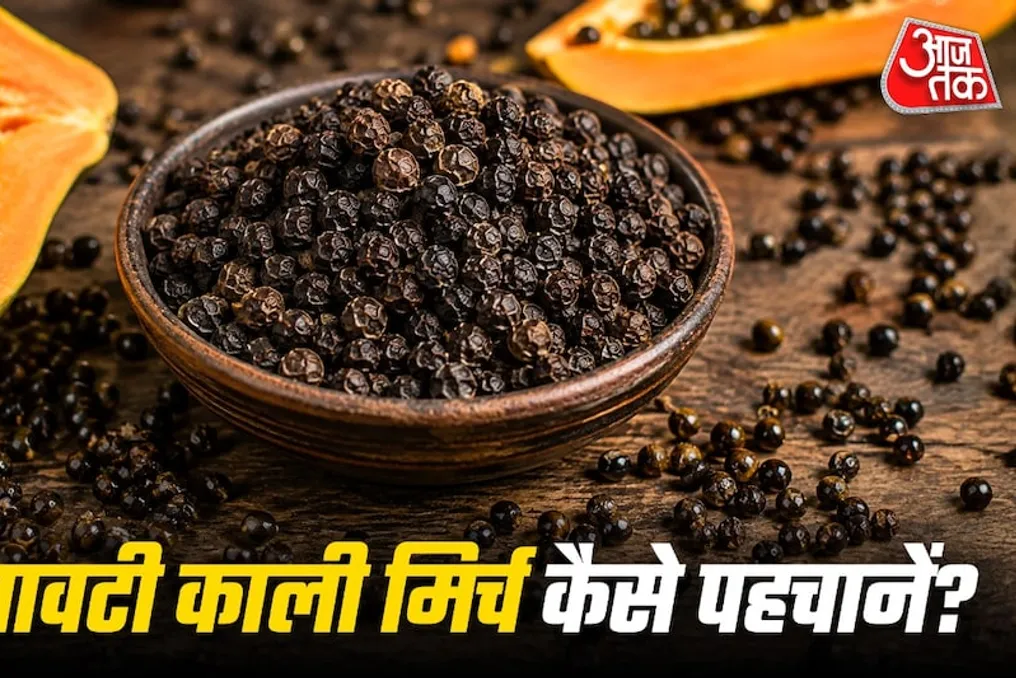
Black pepper is an essential ingredient in Indian cuisine, used in preparing various dishes, from tea to vegetable and legume side dishes. This spice is considered a premium product because it sells in the market for a price ranging from 660 to 750 rupees per kilogram. However, there is a risk that the pepper used may be counterfeit due to the presence of impurities.
Visually inspecting whole black peppercorns can often make it difficult to determine if they are entirely natural or mixed with other seeds. For instance, papaya seeds can look similar to black pepper due to comparable color and size, allowing fraudsters to sell papaya seeds at inflated prices under the guise of black pepper. Therefore, the Food Safety and Standards Authority of India (FSSAI) has provided effective methods for checking the quality of black pepper.
Typically, black pepper ranges in color from brown to dark black, and its outer surface appears wrinkled or shriveled. Whole black peppercorns are round, and when touched, they may feel rough.
Papaya seeds, on the other hand, are characterized by a smooth texture and oval shape. Their coloration can vary from greenish-brown to blackish-brown. It is precisely because of this that dry papaya seeds mixed with black pepper can sometimes be hard to recognize just by appearance.
If you suspect that there are impurities in the black pepper, it is recommended to pour a small amount onto a white sheet of paper or plate and examine it under good light. Careful inspection of individual grains will help notice differences in shape and surface.
Attention must be paid to the surface of the grains: genuine black pepper usually has a wrinkled and shriveled texture, whereas papaya seeds can be relatively smooth. If grains that look too smooth and oval are found in one package, they should be separated for further inspection.
It is also important to compare the shape and color: black pepper grains are round, while papaya seeds can be oval or more elongated. Since papaya seeds can have shades from greenish-brown to blackish-brown, one cannot rely solely on color to determine authenticity.
Aroma also serves as an indicator. Genuine black pepper possesses a strong and characteristic spicy scent; when inhaled, a recognizable aroma of pepper should be felt. If some grains lack this specific smell and their structure differs, caution should be exercised.
To conduct the test, place one teaspoon of black pepper into a glass of water. If some grains float to the surface, it indicates that they are likely papaya seeds. Genuine black pepper, conversely, settles at the bottom.
When purchasing whole spices, it is advisable to prefer products from well-known brands and packaged goods, avoiding open market offerings. Always check the integrity of the packaging, the production date, expiration date, and information on the label. After purchase, it is recommended to inspect the black pepper again under good light and store it properly.